
By The Pulseline News Desk
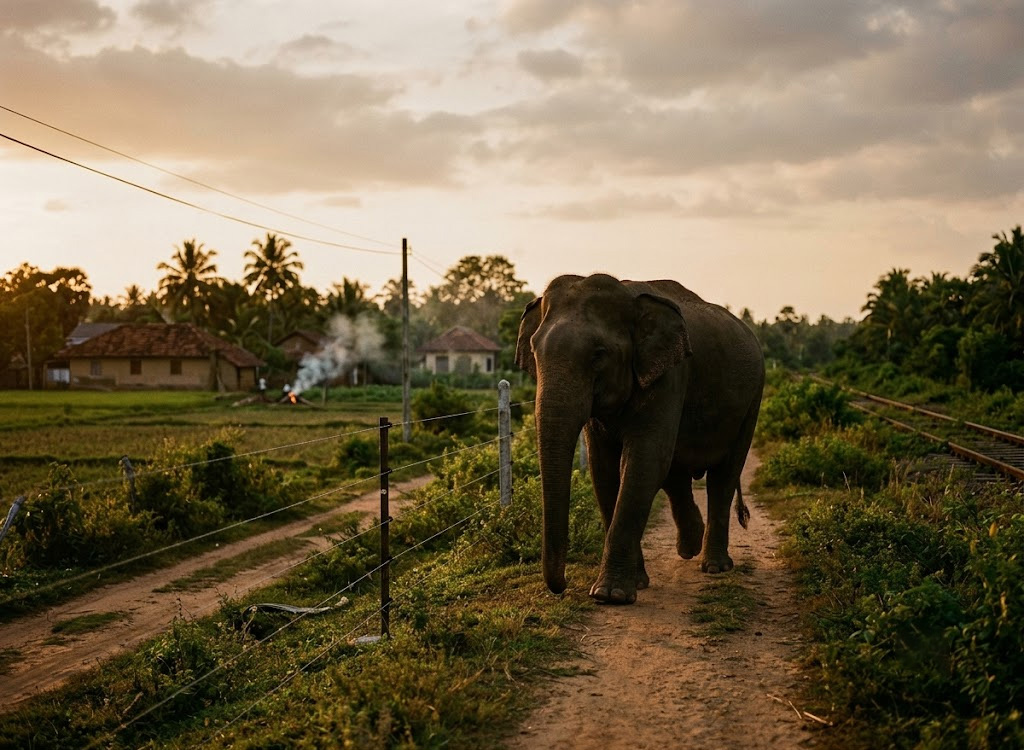
Sri Lanka’s wild elephants continue to pay the highest price for the growing conflict between humans and wildlife, with official figures revealing that dozens have been killed this year through shootings, illegal electric fences, explosive bait and other preventable causes.
Data released by the Department of Wildlife Conservation (DWC) paints a troubling picture of the escalating threats facing the country’s iconic species. During the first seven months of this year, 75 wild elephants were killed directly as a result of human activities, underscoring the persistent challenge of mitigating human-elephant conflict despite years of conservation efforts.
The statistics reveal a pattern of deaths that conservationists say reflects both deliberate acts of cruelty and the consequences of expanding human activity into elephant habitats.
Shot, electrocuted and poisoned
The largest number of human-related elephant deaths resulted from shootings, with 30 elephants killed by gunfire between January and July.
Another 23 elephants died after coming into contact with illegal electric fences or live electrical wires, highlighting the continued use of unauthorised methods to protect crops and property.
One of the most disturbing causes of death remains the use of “hakka patas”, locally known as jaw bombs. These explosive devices, hidden inside food such as pumpkins or fruits, detonate when bitten. According to the DWC, 19 elephants died after consuming explosive bait during the seven-month period.
The Department also recorded three elephant deaths due to poisoning, adding to the growing list of fatalities caused directly by human intervention.
Accidents add to the toll
Beyond deliberate killings, elephants continued to die in preventable accidents linked to infrastructure and human settlements.
The DWC reported that two elephants were killed in train collisions, while four died in road accidents.
Agricultural wells also remained a significant hazard, with six elephants falling into wells and dying. An additional three elephants lost their lives in other accidents, the Department said.
These incidents have long highlighted the need for wildlife-friendly infrastructure, improved fencing, safer agricultural practices and measures to reduce collisions along transport corridors that intersect elephant ranges.
A larger conservation crisis
In total, the Department recorded 180 wild elephant deaths during the first seven months of the year. This figure includes deaths caused by human activities, accidents and natural causes.
Sri Lanka is home to one of Asia’s largest populations of wild elephants, yet the species continues to face increasing pressure as forests are fragmented by development, agriculture and expanding human settlements.
As elephant habitats shrink, encounters between people and elephants become more frequent, often resulting in crop damage, property destruction and casualties on both sides.
The cost of human-elephant conflict
Human-elephant conflict remains one of Sri Lanka’s most pressing wildlife conservation challenges. Farmers struggling to protect their livelihoods often resort to illegal methods such as unauthorised electric fences or explosive bait, despite these practices being prohibited by law.
Conservationists have repeatedly stressed that lasting solutions require more than law enforcement. Improved land-use planning, scientifically designed elephant corridors, early warning systems, community-based conservation programmes and compensation schemes for crop losses are widely regarded as essential to reducing conflict.
At the same time, stronger action against illegal shootings, electrocution and the manufacture of explosive bait remains critical to protecting one of the country’s most treasured wildlife species.
An urgent call for action
The latest figures serve as a stark reminder that Sri Lanka’s elephant conservation challenge is no longer confined to protected areas. It is increasingly playing out in villages, farms, railway lines and roads where people and wildlife compete for the same space.
Every elephant lost represents not only the death of an individual animal but also a setback for biodiversity conservation and the country’s natural heritage. As the toll continues to rise, the figures underscore the urgency of adopting long-term, science-based solutions that safeguard both rural communities and the elephants that have roamed Sri Lanka’s landscapes for centuries.













Leave a comment