
By The Pulseline News Desk
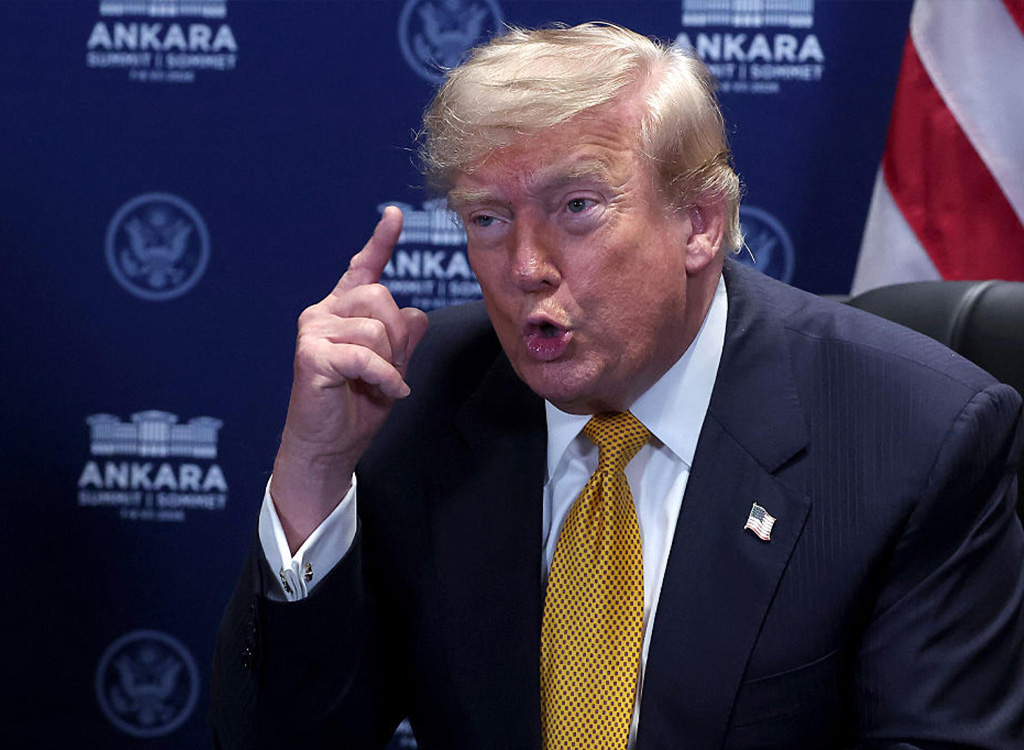
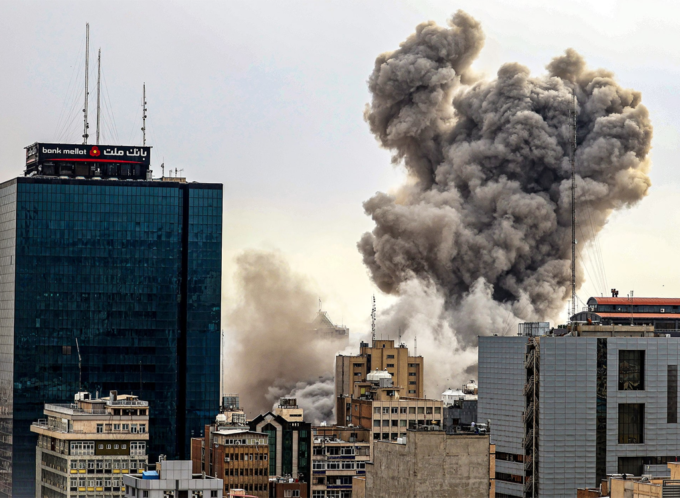
The fragile prospect of diplomacy between the United States (US) and Iran appeared to collapse on Wednesday (8) after US President Donald Trump declared the ceasefire “is over” and warned that American forces would “hit them hard again tonight,” signalling a sharp escalation in one of the world’s most volatile geopolitical flashpoints. The remarks came after renewed exchanges of military strikes and mutual accusations of violating the truce.
While Trump’s statement may be intended as a show of military resolve, its implications extend well beyond another round of airstrikes. It raises the prospect of a prolonged regional confrontation, threatens global energy markets, complicates international diplomacy, and increases the risk of miscalculation between heavily armed adversaries.
A return to military deterrence
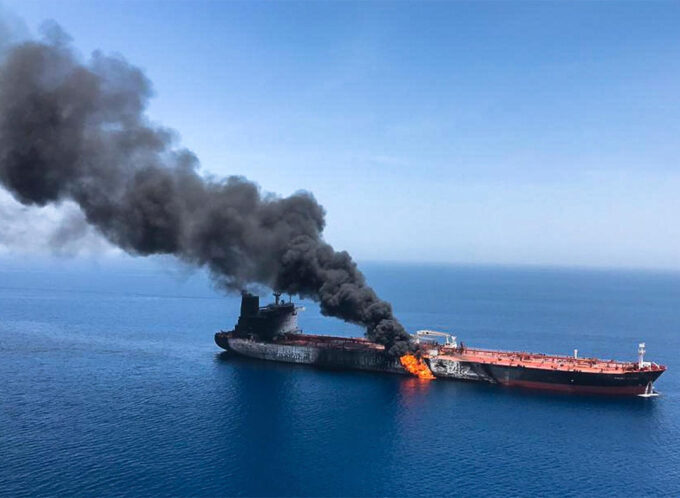
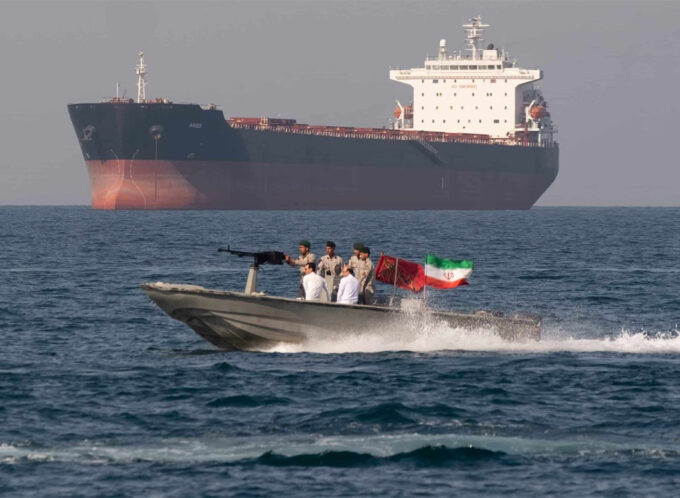
Trump’s declaration that negotiations are effectively over suggests Washington is once again relying primarily on military pressure rather than diplomatic engagement. The administration has argued that Iran violated the ceasefire through attacks on commercial shipping in the Strait of Hormuz, prompting renewed US military action. Iran, however, has accused the US of breaking the truce first, illustrating the competing narratives that now dominate the conflict.
The immediate consequence is a heightened risk of retaliatory action. Iran has previously responded to US strikes through missile and drone attacks targeting American interests and allied facilities across the Gulf. Each successive exchange increases the possibility that a tactical military operation could spiral into a broader regional war involving multiple state and non-state actors.
Energy security under renewed threat
Perhaps the most immediate global consequence is the impact on energy markets.
The Strait of Hormuz remains one of the world’s most important maritime chokepoints, carrying a significant share of globally traded oil. Renewed military activity around the waterway has already prompted shipping disruptions and higher insurance costs for commercial vessels. Reports that tankers have altered their routes underscore growing concerns over maritime security. Oil prices have risen sharply as traders price in the possibility of prolonged instability.
For import-dependent economies in Asia and Europe, sustained disruption could translate into higher fuel costs, renewed inflationary pressures and slower economic growth.
Diplomacy pushed to the margins
Trump’s assertion that further talks are “a waste of time” marks a significant setback for diplomatic efforts that had sought to preserve at least a temporary pause in hostilities.
Regional mediators and international partners – including Gulf states and European governments – may find it increasingly difficult to bring both sides back to the negotiating table if military exchanges become the dominant means of communication. The collapse of dialogue also reduces opportunities to negotiate on contentious issues such as Iran’s nuclear programme, sanctions relief and regional security arrangements.
Without active diplomatic channels, crises become harder to manage and misunderstandings more dangerous.
Regional allies face growing pressure
Renewed hostilities also place America’s regional allies in an increasingly delicate position.
Countries hosting US military installations may become targets for Iranian retaliation, while Gulf governments seeking to balance security cooperation with Washington against regional stability could face difficult strategic choices.
Israel, already deeply concerned about Iran’s military capabilities and regional influence, is likely to view Washington’s tougher posture as reinforcing its own security objectives. At the same time, any expansion of the conflict could increase pressure on neighbouring states to strengthen their military readiness and crisis planning.
Markets react to uncertainty
Financial markets typically respond quickly to geopolitical instability, and Trump’s latest remarks have reinforced investor concerns.
Beyond rising oil prices, uncertainty surrounding the conflict could affect global equity markets, shipping costs and international trade. Investors generally view prolonged military confrontations in the Middle East as a source of broader economic risk because of their potential to disrupt energy supplies and commercial transport routes.
The politics of escalation
Trump’s rhetoric also carries domestic political significance.
A forceful response may reinforce his image as a leader willing to use military power to defend American interests and deter adversaries. However, sustained military engagement could expose the administration to criticism if the conflict becomes prolonged, costly or results in significant regional instability.
History suggests that while decisive military action can generate short-term political support, extended conflicts often shift public attention toward their economic and human costs.
A dangerous moment
Whether Trump’s warning translates into another round of strikes or serves primarily as strategic pressure, the broader message is unmistakable: the ceasefire that briefly offered hope for de-escalation appears to have unravelled.
The coming days will determine whether this marks another cycle of limited retaliation or the beginning of a more sustained confrontation. With diplomacy faltering, commercial shipping under pressure, oil markets reacting nervously and regional militaries on heightened alert, the risks now extend well beyond Washington and Tehran.
The greatest danger lies not simply in another exchange of fire, but in the possibility that successive retaliatory actions could outpace diplomatic efforts, leaving all sides trapped in an escalating conflict whose consequences would be felt far beyond the Middle East.
(With input from news agencies)










Leave a comment