
By The Pulseline News Desk
Sri Lanka’s fragile economic recovery has once again come under the spotlight as the International Monetary Fund (IMF) signalled that continued financial support depends on the government staying committed to difficult pricing reforms, even as questions grow over politically sensitive fuel subsidies.
Speaking at a press briefing on Thursday (14), IMF Communications Department Director Julie Kozack reaffirmed the Fund’s commitment to supporting Sri Lanka through its ongoing economic crisis, while making clear that key reform conditions must still be met before the next tranche of financing is approved.
A staff-level agreement on the combined Fifth and Sixth Reviews under Sri Lanka’s Extended Fund Facility (EFF) was reached on 9 April, but final approval now rests with the IMF Executive Board, which is expected to consider the programme in the coming weeks. If approved, Sri Lanka will gain access to approximately US$ 700 million in financing – funds seen as crucial for maintaining external stability and investor confidence.
However, Kozack stressed that several “prior actions” remain outstanding before the programme can move forward. Among the most politically contentious are the restoration of cost-recovery pricing in electricity and fuel, alongside measures aimed at protecting vulnerable communities affected by rising living costs. The government must also complete financing assurances linked to the programme.
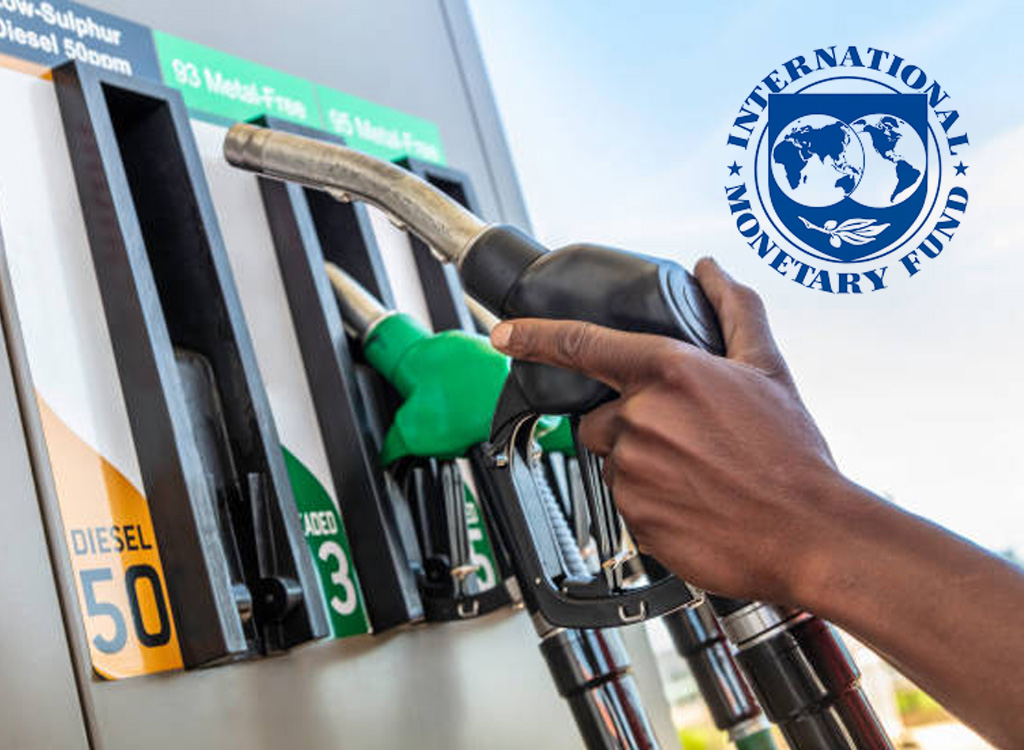
The IMF’s emphasis on cost-recovery pricing comes at a delicate moment for the administration, which has faced mounting public pressure over inflation, utility tariffs and transport costs. Recent fuel relief measures, including a reported Rs. 100 per-litre diesel subsidy for selected sectors, have raised questions about whether the government is drifting away from the reform path agreed with the IMF.
When asked directly whether the subsidy aligns with the IMF’s pricing framework, Kozack stopped short of criticising the government. Instead, she reiterated the Fund’s broader position that reforms must ensure state-owned utilities recover costs while vulnerable groups receive adequate social protection.
Her carefully worded response highlighted the balancing act now confronting Sri Lanka’s policymakers. On one hand, the government must satisfy IMF benchmarks to unlock much-needed financing and preserve international confidence. On the other, it faces increasing domestic pressure to soften the social impact of austerity-driven reforms that have already strained households and businesses.
Since securing the IMF bailout programme in 2023, Sri Lanka has implemented sweeping tax increases, tightened monetary policy and restructured debt to stabilise an economy devastated by the 2022 financial collapse. While inflation has eased and foreign reserves have improved, many ordinary Sri Lankans continue to feel the burden of high prices and reduced purchasing power.
The coming IMF Executive Board decision is therefore likely to carry significance far beyond the release of another tranche of funding. It will also serve as an international assessment of whether Sri Lanka’s recovery strategy remains on course – and whether the government can maintain reform momentum without triggering renewed political and social backlash.







Leave a comment