
By The Pulseline News Desk
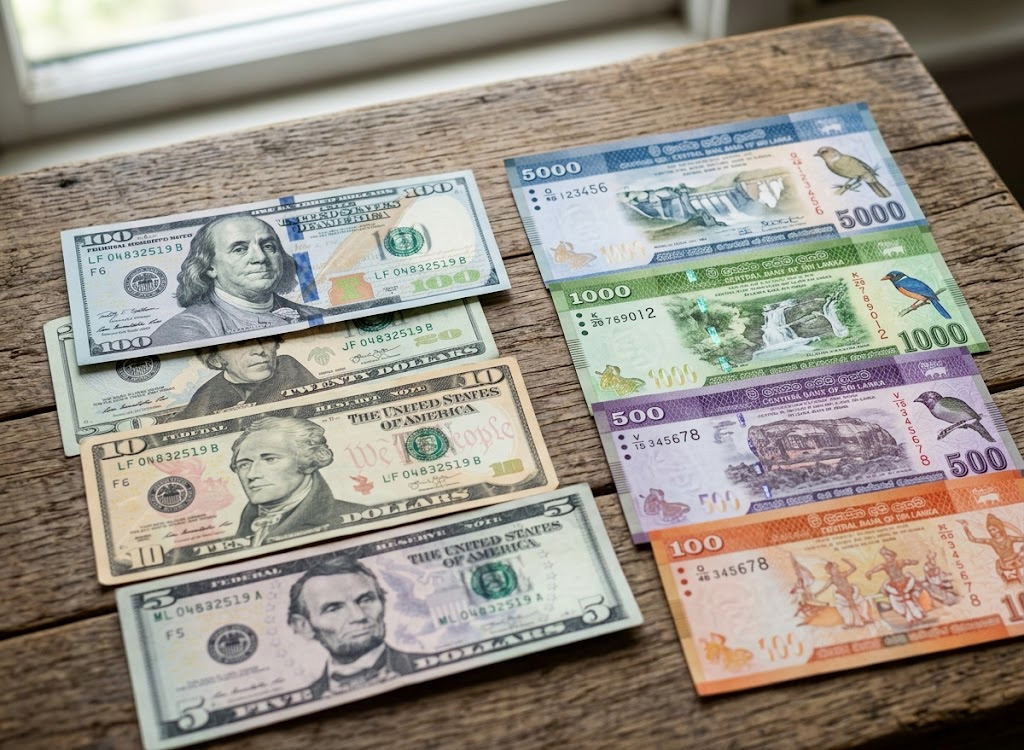
The Sri Lankan Rupee has come under renewed pressure against the US Dollar, raising fresh concerns over the country’s fragile economic recovery and the possible return of inflationary pressures that many believed had begun to ease.
The depreciation, which has pushed the Dollar to its highest level against the Rupee since late 2023, has sparked concern among importers, businesses, and policymakers alike, with fears that prolonged currency weakness could eventually translate into higher costs for fuel, essential goods, and debt servicing.
Financial market analysts say the strengthening of the Dollar globally, combined with local demand for foreign currency and uncertainty over external inflows, has contributed to the Rupee’s weakening trend in recent weeks.
While Sri Lanka’s foreign reserves and tourism earnings have shown signs of improvement compared to the height of the economic crisis, economists warn that the country remains vulnerable to external shocks due to its heavy dependence on imports and foreign debt obligations.
“The exchange rate may still be relatively stable compared to the volatility seen during the crisis, but any sustained depreciation creates pressure across the economy,” one market analyst said.
The weakening currency also presents a political challenge for the government, which has repeatedly highlighted exchange rate stability as a key sign of economic recovery under ongoing reforms backed by the International Monetary Fund (IMF).
A stronger Dollar typically increases the cost of imports, particularly fuel, medicine, and industrial raw materials, potentially placing renewed strain on businesses and households already grappling with high living costs.
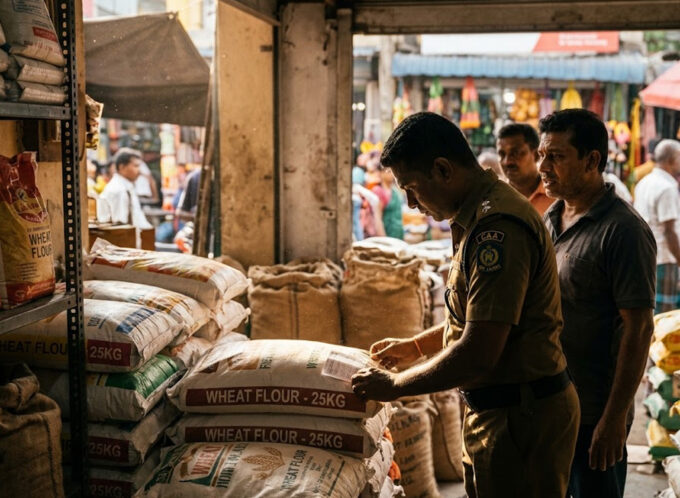
Import-dependent sectors are expected to feel the impact first, especially if the depreciation continues over a prolonged period. Some traders have already begun adjusting prices in anticipation of increased costs.
However, exporters may receive a temporary boost from a weaker Rupee, as Sri Lankan goods become relatively cheaper in international markets. The Government is also likely to closely monitor whether the depreciation improves remittance inflows through official banking channels.
Despite concerns, monetary authorities have so far avoided signaling direct intervention, maintaining that the exchange rate remains market-driven.
Nevertheless, economists caution that public confidence in the broader recovery could weaken if currency depreciation begins to affect day-to-day expenses.
For many Sri Lankans, the value of the Rupee remains more than a financial indicator — it has become a symbol of economic stability itself.












Leave a comment