
By The Pulseline News Desk
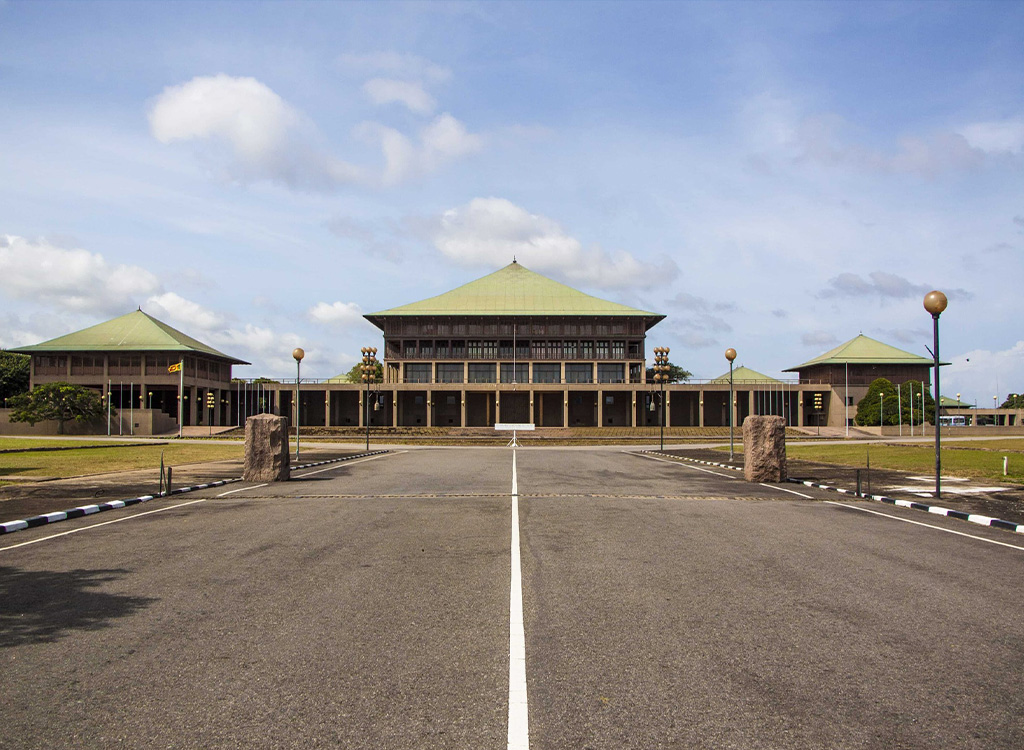
The parliamentary committee tasked with examining the country’s preparedness for Cyclone Ditwah, which caused massive devastation in many parts of the country last November, has undergone a significant change in membership following the resignation of opposition Samagi Jana Balawegaya (SJB) member of parliament (MP) Hector Appuhamy.
Speaker Jagath Wickramaratne informed Parliament that MP S. M. Marikkar has been appointed to replace Appuhamy on the special committee, which was established to conduct a comprehensive study into the country’s response to the cyclone and the alleged lack of advance preparedness measures.
The committee’s work has attracted considerable public interest as questions continue to be raised about the effectiveness of disaster management mechanisms and early-warning systems in the lead-up to the severe weather event.
Responding to inquiries regarding his resignation, Appuhamy has said his decision was based solely on workload considerations. He has explained that his commitments to several other parliamentary committees had made it difficult to devote sufficient time to the Cyclone Ditwah inquiry.
“I resigned due to my busy schedule and my involvement in a number of other committees,” the MP has said.
His departure comes at a time when the committee’s work is entering a crucial phase. Parliament has approved a motion extending the committee’s term until September 19, providing members with additional time to gather evidence, review institutional responses, and prepare recommendations aimed at strengthening the country’s disaster preparedness framework.
The extension signals the importance lawmakers place on understanding the circumstances surrounding the cyclone response and identifying potential shortcomings in planning, coordination, and emergency management.
With Marikkar now joining the committee and the inquiry period extended, attention is expected to focus on the committee’s findings and recommendations, which could influence future policy decisions on disaster risk reduction and emergency preparedness in Sri Lanka.
As extreme weather events become increasingly frequent and unpredictable, the committee’s final report is likely to play a key role in shaping national strategies to better protect communities from future natural disasters.










Leave a comment