

By The Pulseline News Desk
Global crude oil prices have fallen to levels last seen before the recent Iran-related escalation, easing pressure on energy markets that had been bracing for prolonged volatility in the Middle East.
Benchmark Brent crude and West Texas Intermediate (WTI) both declined in recent trading sessions as geopolitical risk premiums unwound, with markets responding to signs of reduced disruption risks to key shipping routes and sustained global supply stability.
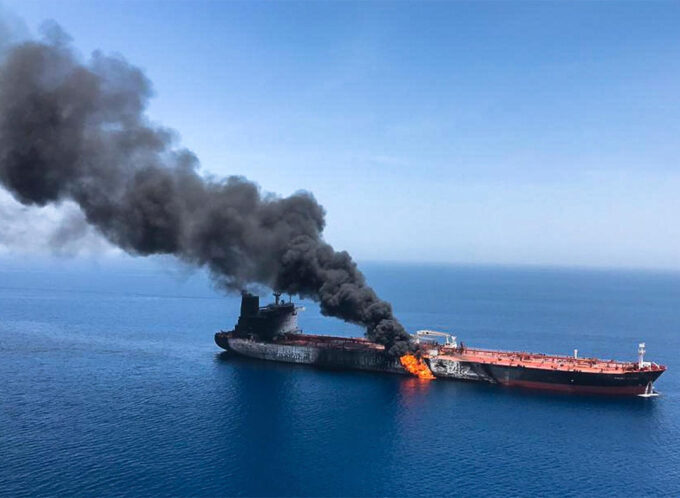
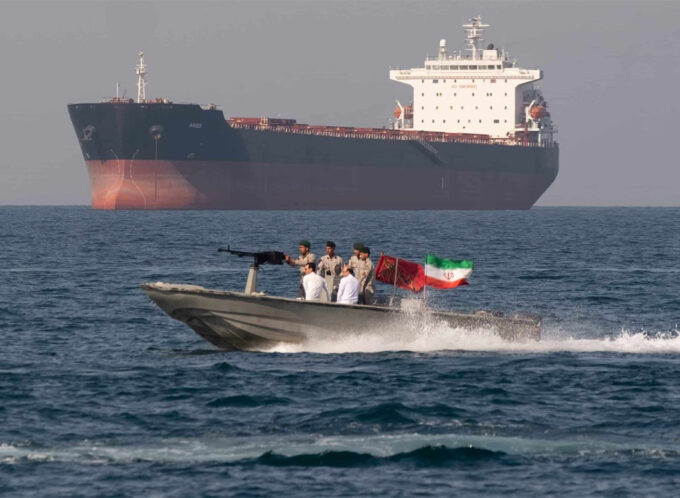
The retreat marks a notable reversal from earlier spikes triggered by fears of broader regional escalation, particularly concerns over potential supply interruptions from the Strait of Hormuz – one of the world’s most critical oil transit chokepoints.
Easing geopolitical premium
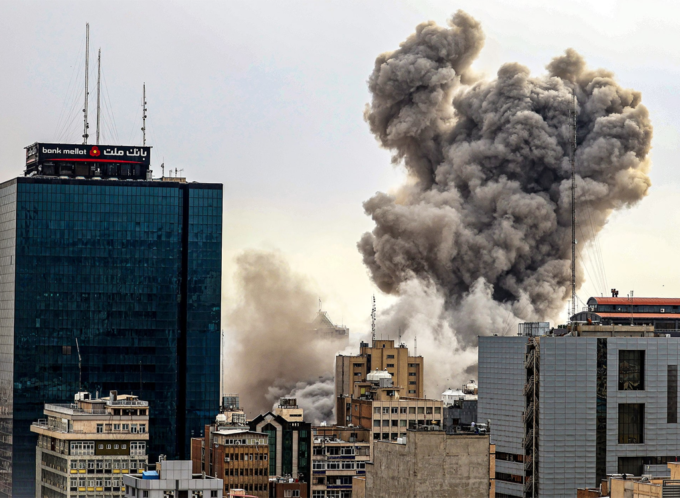
Analysts attribute the price correction to a combination of factors, including steady production from major exporters, resilient inventory levels in key consuming economies, and easing immediate fears of supply chain disruption linked to the Iran-Israel tensions.
With speculative risk premiums fading, markets have begun refocusing on demand fundamentals, including slower-than-expected consumption growth in parts of Asia and ongoing uncertainty over the global economic outlook.
Relief for import-dependent economies
For oil-importing countries, the price drop is expected to provide short-term fiscal breathing space after months of energy cost volatility.
In Sri Lanka, where fuel imports remain a major component of both the import bill and domestic pricing structure, the decline offers potential relief to the balance of payments and inflation outlook.
The Ceylon Petroleum Corporation (CPC) typically adjusts domestic fuel pricing in line with global trends, subject to fiscal and policy considerations. A sustained fall in crude prices could ease pressure on fuel pricing revisions, transport costs, and broader cost-of-living indicators.
Sri Lanka’s energy and fiscal context
Sri Lanka’s fuel sector has been under structural strain since the 2022 economic crisis, when foreign exchange shortages disrupted imports and led to acute fuel scarcities. Since then, the country has relied on a more diversified procurement strategy, sourcing crude and refined products from multiple markets to ensure supply stability.
Recent developments, including CPC’s expanded engagement with varied suppliers and periodic adjustments in retail pricing formulas, reflect efforts to stabilise the sector while managing fiscal constraints under the ongoing IMF-supported reform programme.
Lower global oil prices also carry implications for government revenue planning, as fuel taxes and administered pricing mechanisms remain important components of fiscal management.
Outlook
While the current downturn offers welcome relief, energy analysts caution that oil markets remain highly sensitive to geopolitical shocks. Any renewed escalation in the Middle East or disruptions to maritime shipping routes could quickly reverse the downward trend.
For now, however, the easing of prices to pre-crisis levels represents a rare window of stability in an otherwise volatile global energy landscape – one that could provide modest but meaningful economic breathing space for import-dependent economies like Sri Lanka.
(With input from news agencies)










Leave a comment