
By The Pulseline News Desk
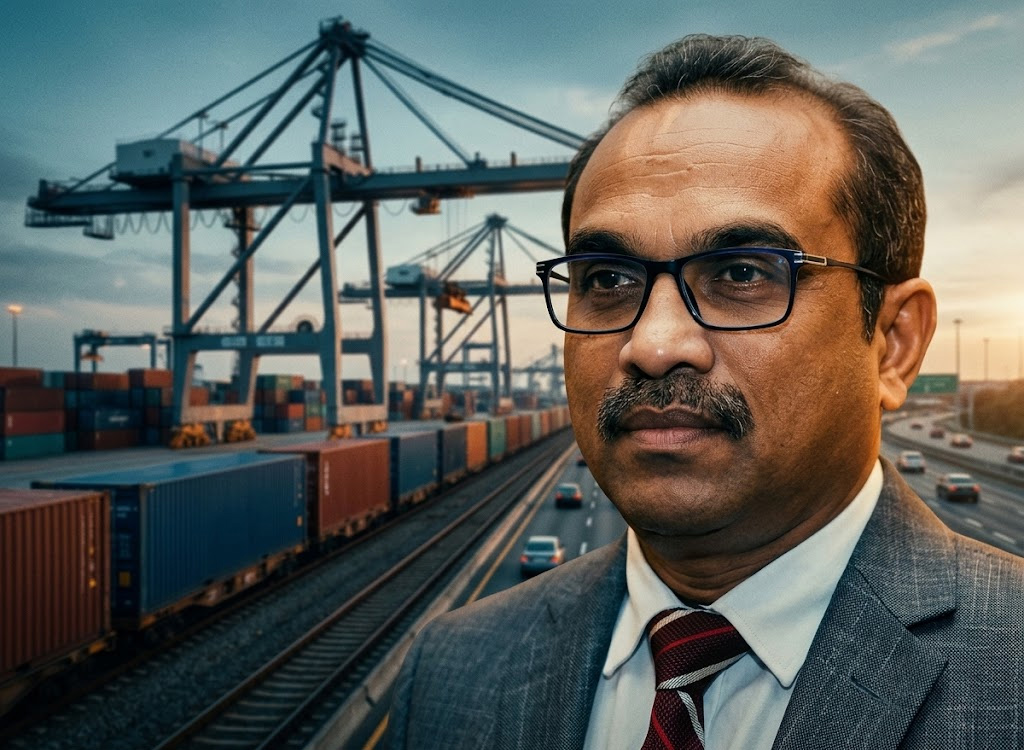
The Government has sought to reassure Sri Lanka’s business community that it is not hostile towards private enterprise, with Transport, Highways and Urban Development Minister Bimal Rathnayake saying a majority of businessmen are now working with the administration without hesitation.
Rathnayake has said the Government had faced considerable criticism and suspicion from the business community before coming to power, with claims that its economic policies would be hostile to the private sector.
However, he has said those concerns had not materialised.
“I think today a majority of the businessmen in our country are working with this government without hesitation,” the Minister has said, arguing that the Government’s engagement with businesses had demonstrated that it was not “anti-business”.
Govt urges businesses to look beyond traditional sectors
Rathnayake has also called on businesses to look beyond their traditional areas of operation and take advantage of emerging investment opportunities as the Government seeks to expand economic activity.
He has said opportunities would not be limited to large corporations, with small and medium-sized enterprises also expected to benefit from new areas of investment.
Importantly, the Minister has sought to distance the Government from a political culture in which access to investment opportunities was often associated with connections to those in power.
“Don’t be afraid to get involved in this. You don’t need friendships or connections,” he has said.
The statement comes as the Government attempts to attract greater private-sector participation in infrastructure, logistics and other sectors considered crucial to economic growth.
Logistics seen as a major opportunity
Among the areas identified by Rathnayake as having significant untapped potential is transport and logistics.
He has described Sri Lanka’s logistics sector as particularly weak, arguing that deficiencies in the system were contributing directly to the cost of goods reaching consumers.
The problem, he has said, extends beyond the condition of roads. Insufficient warehousing facilities, weaknesses in road infrastructure and the limited use of the railway network for freight transportation have contributed to higher logistics costs, he said.
Rathnayake has questioned why the country continued to depend so heavily on roads for transporting goods when Sri Lanka already possesses a railway network that could be used more extensively for freight.
He has pointed to the potential for transporting containers and bulk materials by rail, which could reduce pressure on the road network while improving the efficiency of the country’s supply chains.
However, making rail freight commercially viable would require significant supporting infrastructure.
This would include dedicated terminals and facilities for loading and unloading goods, alongside improvements to the railway system itself.
Railway reform likely to be difficult
The Minister has acknowledged that transforming the Railway Department would not be an easy task.
The institution’s long-established structure and operating practices present significant challenges to reform, he has said.
Nevertheless, Rathnayake has argued that modernising the railway system was necessary if Sri Lanka is to build a more efficient national logistics network.
Greater integration between road, rail, warehousing and other logistics services could create new opportunities for private-sector investment while also reducing the cost of transporting locally produced goods.
The Government’s challenge will be to turn these opportunities into commercially viable projects while undertaking reforms within state institutions that have historically been difficult to restructure.
Tax relief under discussion for 2027
Rathnayake has also acknowledged another major concern facing businesses: the country’s tax burden.
He has said both businesses and ordinary citizens were currently carrying a significant tax burden, with the Government discussing possible relief measures for 2027.
“We know there is a certain tax burden on businesses as well as the general public. The President and the Cabinet are discussing, both formally and informally, how we can provide some tax relief to businesses and ordinary people during 2027,” he has said.
The comments suggest that tax relief is being considered as part of the Government’s broader economic agenda for next year.
For businesses, however, the question will be whether any relief is accompanied by reforms that reduce the cost of operating in Sri Lanka.
Rathnayake’s remarks point to a broader attempt by the Government to reposition its relationship with the private sector — moving away from perceptions of confrontation towards cooperation in areas where private investment can support national development.
Transport and logistics could become an important test of that approach. If the Government can successfully open up new investment opportunities while reforming inefficient state systems, it could demonstrate that its promise of a more business-friendly economic environment extends beyond rhetoric.








Leave a comment