
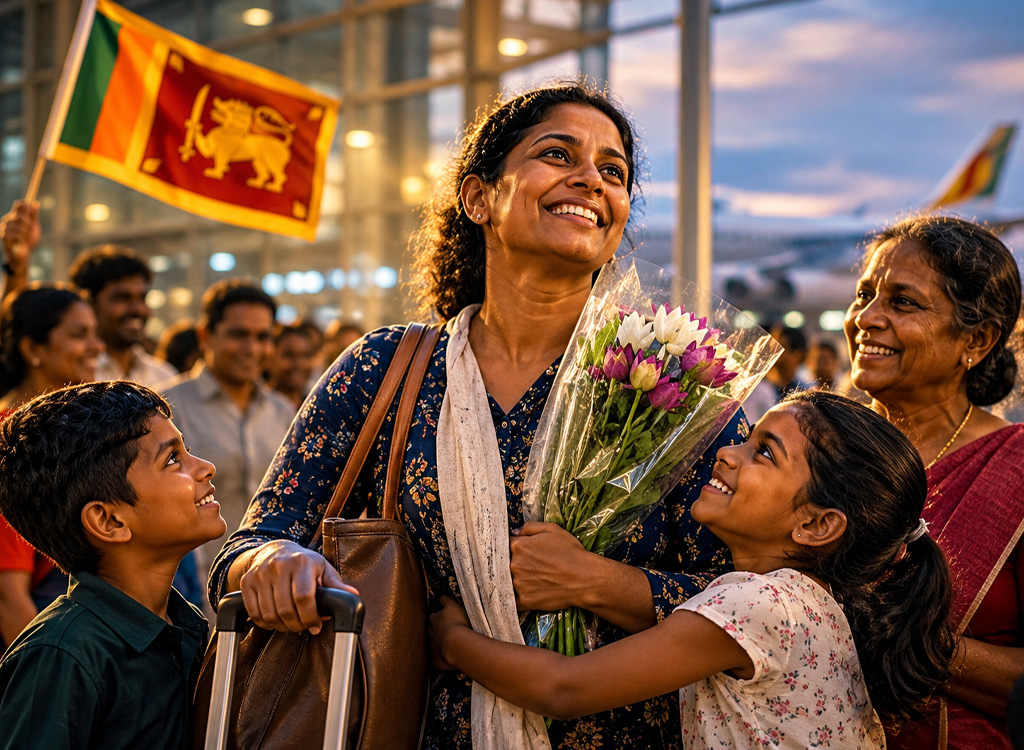
Sri Lanka’s migrant workers are among our biggest economic contributors, and it is time we treated them with the dignity, gratitude and respect they have earned
By Janahitha
There is something wrong with the way we recognise success in Sri Lanka.
When a foreign investor lands at Bandaranaike International Airport, we fall over ourselves to welcome them. When tourists arrive, we smile, talk up our hospitality and count the foreign exchange they might spend. But when a Sri Lankan woman comes home after years as a domestic worker in the Middle East, carrying her bags and perhaps a few gifts for her children, does she get the same courtesy?
Too often, I suspect, she is treated as a nuisance – someone of lesser importance, as though her occupation were somehow beneath us. It is an uncomfortable thing to say, but it needs saying, because that woman may well have done more for Sri Lanka’s economic survival than many of the people we routinely treat as VIPs.
The billions we rarely celebrate
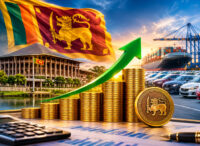
In 2025, Sri Lanka received about US$8.1 billion in workers’ remittances, the highest figure on record. That works out at more than US$22 million a day. It is comfortably more than the foreign direct investment the country attracted in the same year, and more than double what tourism earned.
Behind those figures are ordinary people working punishing hours, often thousands of kilometres from home as domestic workers, caregivers, cleaners, drivers, construction workers, technicians, hotel staff, nurses and other professionals. Some have left small children behind. Many have missed birthdays, weddings and funerals, and live frugally abroad so that their families can live a little better here.
Their earnings pay school fees, build houses, put food on the table, buy medicine and keep countless small businesses going. Together, they shore up our banks, our foreign exchange reserves and the wider economy. So how often do we actually thank them? How often do we acknowledge the dignity of what they do? And, most importantly, how do we treat them when they finally come home?
There is no such thing as inferior labour
We have an unfortunate habit in this country of handing out respect according to occupation. A man in a suit is treated differently from a woman carrying a cleaning bag; a professional returning from London is seen differently from a domestic worker returning from Kuwait.
Why should that be? Honest work is honourable work. A woman who cleans another family’s home so that her own children can go to school deserves no less respect than an executive running a multinational – and her sacrifice may be far greater.
The word ‘housemaid’ has picked up a stigma in some circles, and it is time we got past that. These women are workers, mothers and daughters, often entrepreneurs in their own right, and they contribute to our national prosperity. Their job does not make them lesser citizens. Dignity should never depend on a job title, an income or a social position.
Our airports should show our gratitude
Think about what it is like for a migrant worker landing in Colombo after two or three years overseas. She has probably had a long journey at the end of exhausting work. She is anxious to see her children. She may not know airport procedures well or feel confident dealing with officials.
This is exactly the moment when the country could say something simple: ‘Welcome home. Thank you for what you have done for Sri Lanka.’
Instead, there are persistent concerns that some returning workers face unnecessary questioning, dismissive attitudes, long queues and a lack of basic courtesy. I am not suggesting that every immigration or customs officer behaves badly; many do their jobs professionally and with real compassion. Nor should returning workers be exempt from legitimate immigration, customs or security checks. But enforcing the law is one thing, and stripping someone of their dignity is quite another. Courtesy costs nothing and needs no extra budget. A welcoming attitude should be the bare minimum we expect of public servants.
A proper welcome for our overseas workers
Sri Lanka should set up a formal Migrant Worker Welcome Programme at Bandaranaike International Airport and the country’s other international entry points. It should not become another layer of bureaucracy or a costly publicity exercise. It should be a practical, visible commitment to the people who send billions of dollars home. I would suggest six measures.
- Dedicated immigration counters. Clearly marked counters for returning migrant workers, properly staffed at peak arrival times, would make their arrival quicker and more dignified.
- A welcome and assistance area. A clean, comfortable space with seating, drinking water, clear information and help in Sinhala, Tamil and English. This need not be a luxury lounge – just a place that shows respect.
- Training for customs and immigration officers. Every official who deals with migrant workers should understand what these workers contribute and how to speak to them respectfully. Officers should be there to help, not to intimidate.
- A migrant worker assistance desk. Run with the Sri Lanka Bureau of Foreign Employment, it could help returning workers with paperwork, complaints, employment problems and referrals to other services.
- Clear customs rules and a complaints process that works. Returning workers should be told plainly what their rights, allowances and obligations are. Complaints of misconduct should be reviewed independently, without undermining legitimate enforcement.
- Real national recognition. Not just an annual ceremony for politicians to attend, but visible acknowledgement – at the airport and across society – of what overseas workers give to this country.
Imagine walking into the arrivals hall and seeing a sign that reads: ‘Welcome home to Sri Lanka. Your work, your sacrifice and your contribution matter to our nation.’ Imagine a returning domestic worker being greeted with the same warmth and professionalism we try to show an international business traveller. Wouldn’t that say more about the kind of country we want to be?
Economic contribution should earn national respect
We spend a great deal of time discussing how to attract foreign investment, grow tourism and boost exports, and rightly so. But overseas workers are already one of the country’s most dependable sources of foreign exchange. Unlike an investment proposal that may never materialise, the money they send is real. It flows straight into the economy, supports households and keeps domestic spending going.
This is not an argument for giving migrant workers special treatment at the expense of other citizens; every Sri Lankan deserves courteous, efficient public service. It is an argument that a group contributing this much deserves proper facilities, recognition and support. A country that leans so heavily on its overseas workforce has a duty to protect that workforce’s dignity, and that duty should begin the moment they set foot back home.
Beyond the airport
The airport is only a starting point. We also need to confront the wider prejudice against domestic work and manual labour. Parents can teach their children that a cleaner deserves the same basic respect as a doctor. Employers can recognise domestic workers as professionals providing a valuable service. Government institutions can stop confusing authority with superiority. And all of us can let go of the idea that a person’s worth is measured by wealth, education, clothing or occupation.
There is, of course, a bigger agenda, which is, protecting our workers while they are abroad, making recruitment fair, tackling exploitation and helping those who return to rebuild their lives here. None of that, however, should hold up a simple improvement in how we welcome people home.
Recognising our real national contributors
Sri Lanka has been through severe economic hardship. Through some of the worst of it, ordinary Sri Lankans working overseas kept sending money home. They did not ask for honours or special privileges. They simply worked, went without and supported their families and their country. We should never mistake that humility for insignificance.
I would like to see a Sri Lanka where a woman returning from years of domestic work abroad can walk through our airport with her head held high, knowing her country values what she has done. Where the immigration officer greets her politely and the customs officer treats her fairly. Where the system is built to help her, not to humiliate her. And where her children are proud of her – not because of the money she has brought home, but because honest work and sacrifice are seen as honourable.
We roll out the red carpet for people who promise to bring money into Sri Lanka. Perhaps it is time we showed a little of that respect to the people who have already brought home billions. They are not second-class citizens, and they are not an inconvenience. They are among the people who have kept this country standing, and the least we can do is welcome them home with dignity.
Disclaimer: The views and opinions expressed in this article are those of the writer and do not necessarily reflect the official position of this publication.








Leave a comment