
By The Pulseline News Desk
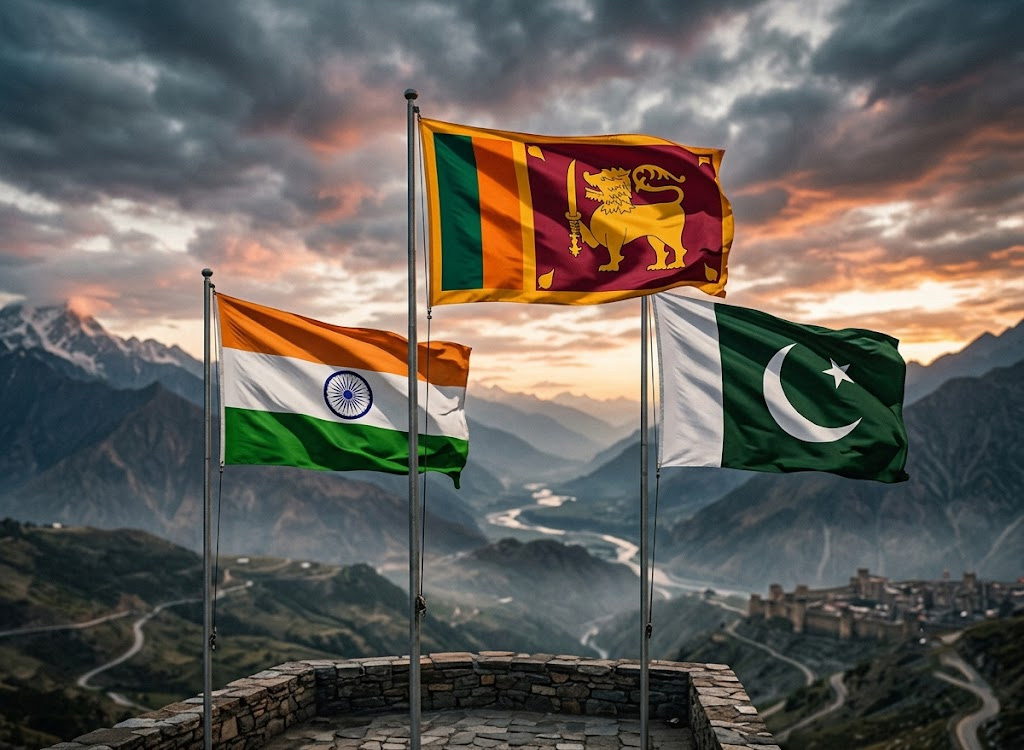
Colombo has quietly hosted a new round of Track 2 diplomatic discussions between Indian and Pakistani interlocutors, bringing together academics, former officials and policy experts in an informal attempt to explore pathways for reducing tensions between the two nuclear-armed neighbours.
The talks, held in the Sri Lankan capital over recent days, were not officially publicised by either government, consistent with the nature of Track 2 diplomacy, which operates outside formal state-to-state negotiations. However, sources familiar with the engagement have told foreign media that the discussions focused on regional stability, confidence-building measures, and long-term avenues for dialogue between New Delhi and Islamabad.
The initiative comes at a time when relations between India and Pakistan remain strained, with limited official engagement and periodic diplomatic flare-ups over security issues, border incidents and regional geopolitics.
Informal diplomacy in a sensitive region
Track 2 diplomacy – unofficial dialogue involving retired diplomats, strategic analysts and academics – has long served as a parallel channel for communication between India and Pakistan when formal negotiations have stalled.
While such engagements carry no binding policy outcomes, they are often used to test ideas, reduce mistrust and maintain minimal channels of communication during periods of heightened tension.
Participants at the Colombo discussions are understood to have exchanged views on regional security architecture, crisis management mechanisms and the broader impact of instability on South Asia’s economic and strategic environment.
Sri Lanka as a neutral venue
Sri Lanka’s hosting of the talks underscores Colombo’s continuing positioning as a neutral ground for regional dialogue, particularly in the Indian Ocean region where major power competition and South Asian rivalries frequently intersect.
Diplomatic observers note that Colombo has in recent years sought to maintain balanced relations with both India and Pakistan while also strengthening ties with extra-regional powers. Hosting informal discussions of this nature is seen as consistent with that approach, offering a discreet setting away from the more politically charged environments of New Delhi and Islamabad.
Regional context
The timing of the talks is significant, coming amid renewed geopolitical sensitivity in South Asia, where security concerns, economic pressures and shifting alliances continue to shape regional dynamics.
Although Track 2 initiatives do not replace official diplomacy, they are often viewed as indicators of whether political space exists for future engagement at a higher level.
For Sri Lanka, the hosting of such discussions also reflects its broader diplomatic strategy of leveraging geography and neutrality to remain relevant in regional security conversations.
While no formal outcomes were announced, the very convening of India-Pakistan interlocutors in Colombo signals that informal channels of communication remain active – even if fragile – in one of the world’s most enduring geopolitical rivalries.
(With input from news agencies)









Leave a comment