
By The Pulseline News Desk
In a rare and politically significant move, the United States (US) Congress has approved a war powers measure aimed at limiting the President’s ability to undertake military action against Iran without explicit congressional authorisation, marking one of the most notable assertions of legislative authority over foreign policy in recent years.
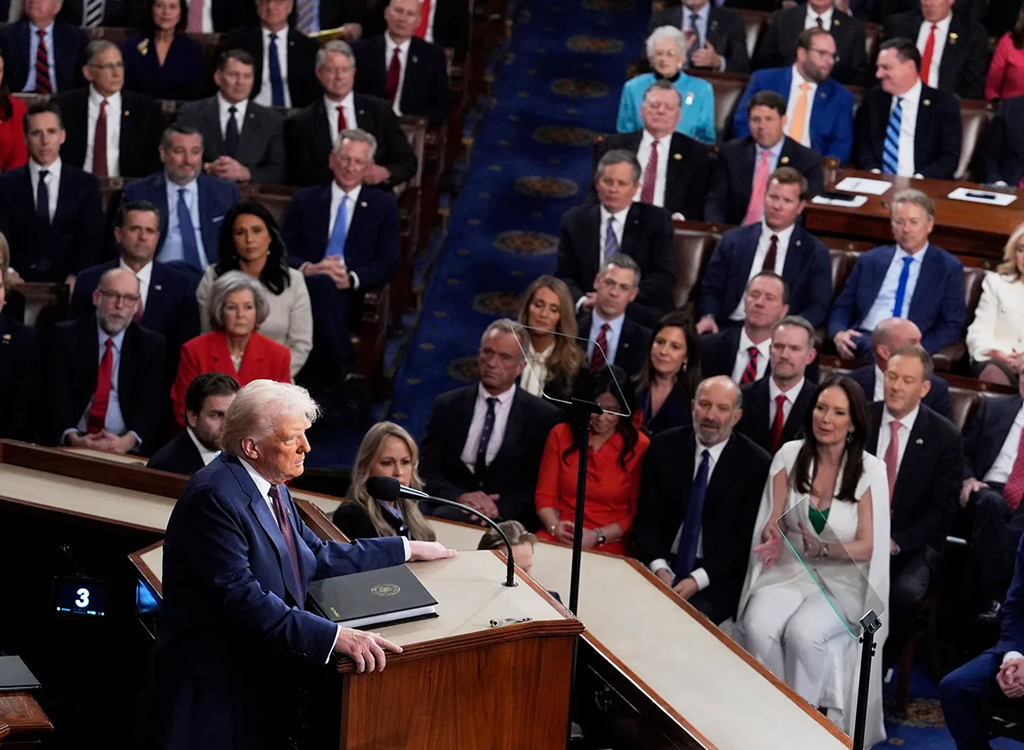
The vote represents an unusual break between lawmakers and President Donald Trump on a matter traditionally dominated by the executive branch, reigniting a longstanding constitutional debate over who has the authority to commit the US to military conflict.
While the White House has maintained that the President possesses broad powers to protect American interests and respond to security threats, supporters of the measure argue that Congress must play a central role in decisions that could draw the country into war.
A constitutional question resurfaces
The US Constitution divides war-making authority between Congress and the President. Congress has the power to declare war, while the President serves as commander-in-chief of the armed forces.
However, modern military engagements have often blurred those boundaries, with presidents from both major political parties conducting military operations without formal declarations of war.
The latest congressional action reflects growing concern among lawmakers that military tensions with Iran could escalate into a wider conflict without sufficient debate or authorisation from elected representatives.
Supporters of the measure contend that decisions involving potential military engagement must not rest solely with the executive branch.
“This is fundamentally about congressional oversight and constitutional responsibility,” one analyst noted. “Lawmakers are seeking to reaffirm their role in decisions that could have far-reaching consequences for national security and international stability.”
Rising tensions with Iran
The debate comes against the backdrop of years of strained relations between Washington and Tehran.
Disputes over Iran’s nuclear programme, regional influence, support for allied armed groups, and sanctions have repeatedly brought the two countries to the brink of confrontation.
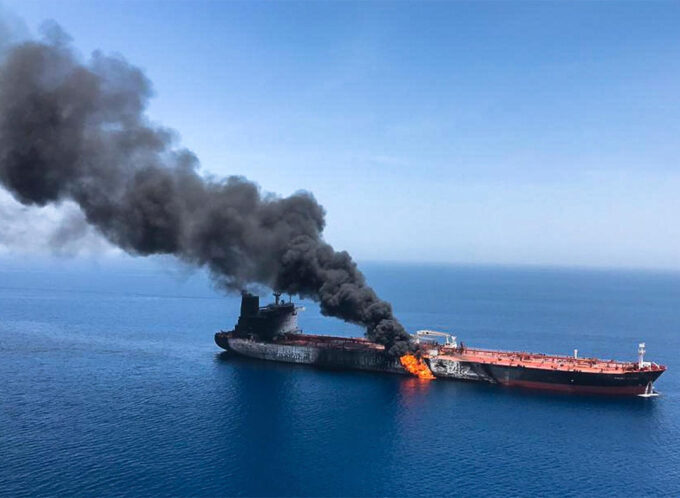
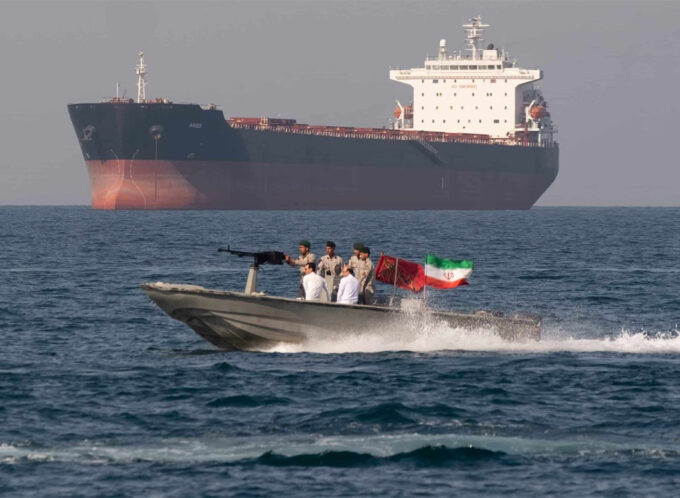
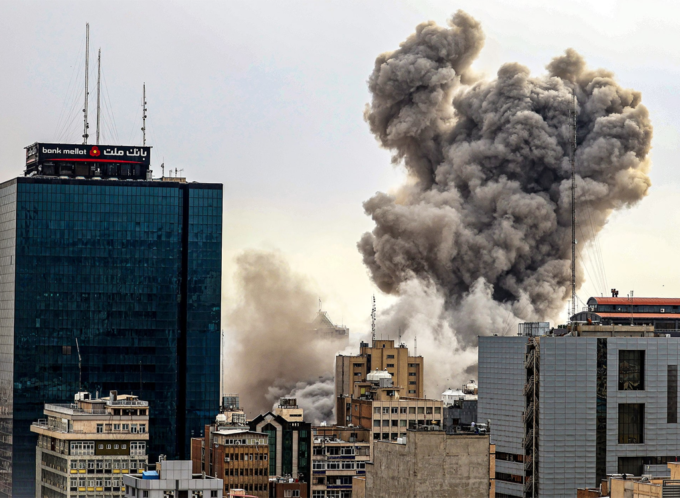
Military incidents in the Middle East, attacks on shipping routes, and targeted strikes have periodically heightened fears of a broader conflict involving not only the US and Iran but also regional allies and adversaries.
For many lawmakers, the possibility of escalation has underscored the need for clearer legal and political accountability before military action is undertaken.
Rare bipartisan concern
Although Congress and the White House frequently clash over domestic policy, disagreements over presidential war powers often cut across party lines.
The passage of the measure highlights concerns shared by lawmakers from different political backgrounds who believe Congress has gradually ceded too much authority over military affairs to successive administrations.
Some supporters emphasised that the issue extends beyond any single president.
Advocates of congressional oversight argue that preserving institutional checks and balances is essential regardless of which party controls the White House.
“This debate is bigger than one administration,” said a foreign policy observer. “It is about the balance of power between branches of government and the mechanisms that exist to prevent unilateral military action.”
Symbolic and political impact
While the practical impact of the measure may depend on future legal and political developments, its passage carries significant symbolic weight.
It signals congressional unease over the prospect of military escalation with Iran and reflects a broader effort by lawmakers to reclaim influence over foreign policy decisions.
The vote also sends a message to international audiences that debate over the use of military force remains active within the American political system.
For allies and adversaries alike, congressional intervention may be viewed as evidence that decisions regarding military engagement are subject to domestic scrutiny and constitutional constraints.
The broader debate
The war powers dispute is the latest chapter in a decades-long struggle between Congress and the presidency over national security authority.
Since the passage of the War Powers Resolution in 1973, lawmakers have repeatedly attempted to assert greater oversight of military operations, while presidents have often argued that their constitutional responsibilities require flexibility in responding to emerging threats.
The tension between those positions remains unresolved and continues to shape American foreign policy.
As relations with Iran remain complex and volatile, the congressional vote has once again brought questions of war, diplomacy, and constitutional authority to the forefront of national debate.
Whether the measure ultimately changes policy or remains largely symbolic, it reflects a renewed effort by Congress to define its role in one of the most consequential decisions any government can make: the decision to go to war.
(With input from news agencies)









Leave a comment