

By The Pulseline News Desk
Europe is facing a rapidly escalating aviation fuel crisis, with the head of the International Energy Agency warning that the continent may have “only about six weeks of jet fuel left,” raising concerns over potential flight disruptions and broader economic fallout.
The warning was issued by International Energy Agency Director Fatih Birol, who said supply constraints linked to geopolitical instability in the Middle East have severely disrupted fuel flows into Europe. The comments have triggered alarm across the aviation and energy sectors, with airlines and regulators closely monitoring supply conditions.
Strait of Hormuz disruption at the center of crisis
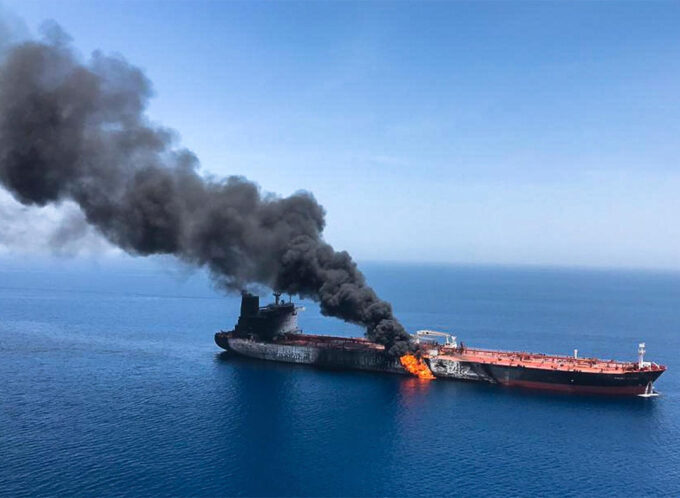
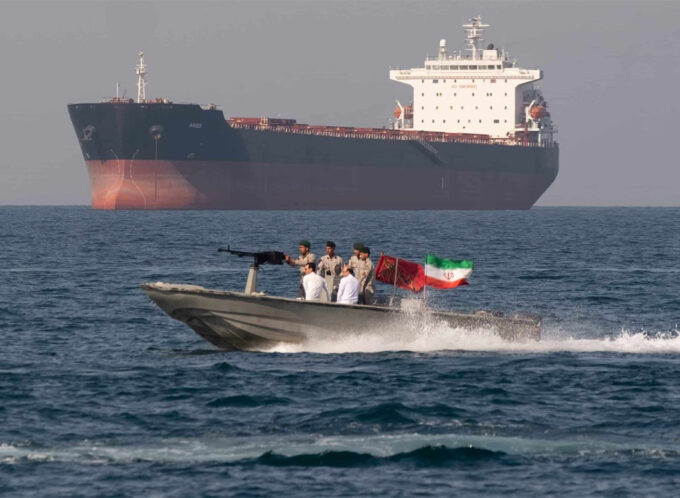
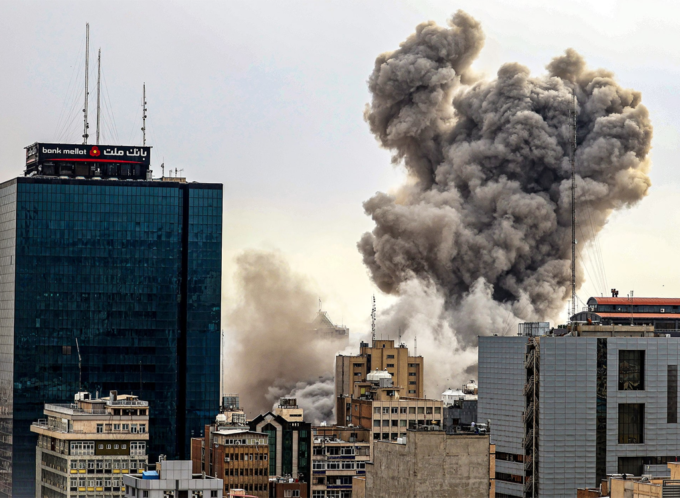
The crisis is largely tied to disruptions in global oil shipping routes, particularly the Strait of Hormuz, a critical corridor for a significant share of the world’s crude and refined petroleum exports. The ongoing conflict involving Iran has contributed to reduced shipments, tightening global fuel availability and pushing prices higher.
Industry sources say Europe is particularly exposed due to its heavy reliance on imported jet fuel. Any sustained interruption could quickly translate into higher costs for airlines and possible schedule reductions.
Airlines begin preparing contingency measures
Several European carriers have already begun adjusting operations in response to rising fuel costs and uncertainty. Reports indicate that airlines are reviewing flight schedules, reducing non-essential routes, and preparing contingency plans should shortages worsen in the coming weeks.
While there is currently no confirmed widespread physical shortage at airports, aviation analysts warn that supply chain tightening and price spikes could force capacity cuts if conditions do not improve.
Economic and travel impact concerns
Experts caution that the implications extend beyond aviation. Rising jet fuel prices typically feed into higher airfares, increased cargo costs, and broader inflationary pressure across European economies.
The International Energy Agency has described the situation as one of the most serious energy supply challenges in recent years, warning that prolonged disruption could affect summer travel demand and economic growth across the region.
No immediate shortage, but rising risk
Despite the warnings, officials stress that Europe is not yet experiencing a physical shortage of jet fuel. However, inventories are being closely monitored, and emergency planning discussions are underway at both national and industry levels.
The European Commission has stated there is currently no immediate supply gap but acknowledged heightened risks due to global instability and market volatility.
Outlook
The next several weeks are expected to be critical. If supply routes stabilize, the aviation sector may avoid severe disruption. However, if geopolitical tensions persist, Europe could face the most significant jet fuel supply strain in years, with direct consequences for airlines, passengers, and the wider economy.










Leave a comment