
By The Pulseline News Desk
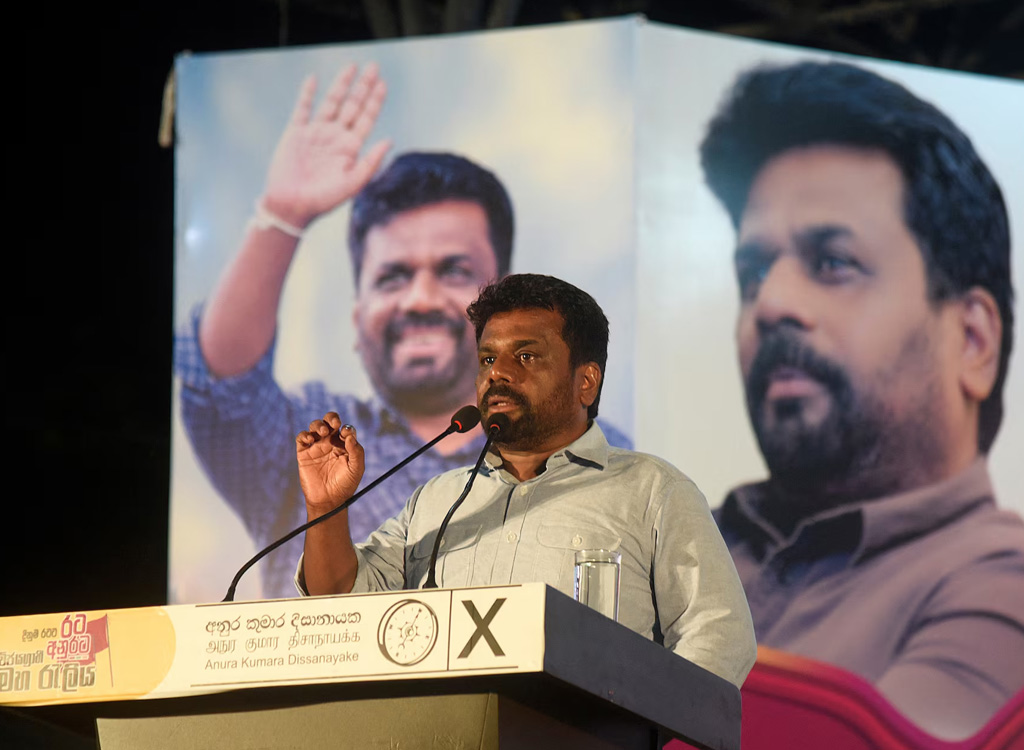
Nearly 18 months after sweeping to power on a promise to transform Sri Lanka’s political culture, President Anura Kumara Dissanayake (AKD) and his Janatha Vimukthi Peramuna (JVP)-led National People’s Power (NPP) government are confronting growing doubts about whether they can deliver the deep reforms that fueled their historic rise.
A new report from the International Crisis Group paints a mixed picture: while the administration has helped stabilize the country’s fragile economic recovery and taken visible steps to tackle corruption, momentum toward broader structural change appears to be slowing.
Economic stability, but rising expectations
Since taking office in September 2024, Dissanayake has focused heavily on maintaining macroeconomic stability following Sri Lanka’s devastating financial collapse earlier in the decade. Inflation has eased and fiscal discipline has improved, earning cautious optimism from international observers.
At the same time, the government has pursued anti-corruption initiatives aimed at dismantling entrenched patronage networks. These moves have been popular among voters frustrated by decades of political mismanagement.
But expectations remain high. The NPP’s campaign was built on a sweeping promise of “system change” — a reworking of governance, accountability, and social equity. According to Crisis Group, many Sri Lankans are now questioning whether those ambitions are being diluted.
Reform agenda losing momentum
The report warns that progress on deeper reforms — particularly around accountability, minority rights, and institutional independence — has been uneven.
One major concern is the lack of movement on investigations into alleged wartime abuses stemming from the final phase of the country’s long civil conflict. Analysts say meaningful action here would signal a genuine break from past impunity.
There are also calls for the government to adopt a more inclusive governing style. Critics argue that decision-making has at times appeared centralized and defensive, limiting engagement with opposition groups and civil society.
Risks of backsliding
The stakes are high. Crisis Group cautions that failure to deliver substantive reforms could reopen old fault lines, including ethnic tensions that have historically destabilized the country.
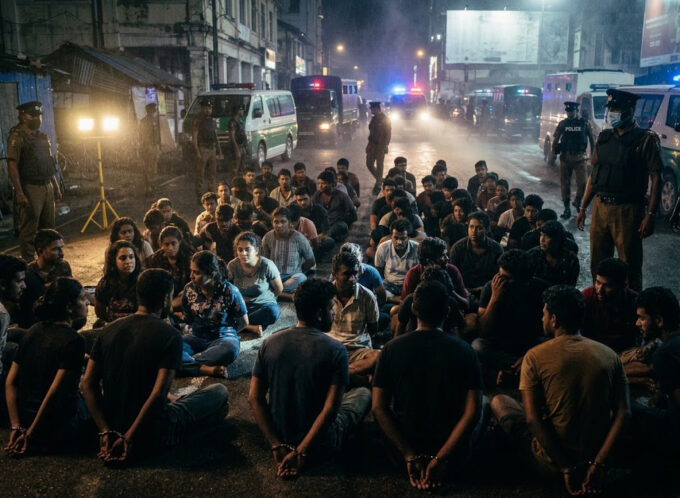
There are also concerns about the continued use — and alleged misuse — of counter-terrorism laws, which rights groups say risk undermining civil liberties if left unchecked.
Without stronger safeguards and independent oversight, analysts warn, Sri Lanka could drift back toward more authoritarian patterns of governance.
A narrowing window
Despite the challenges, the report emphasizes that the government still has a rare political opportunity. With a parliamentary majority and a public mandate for change, the NPP retains the tools needed to push through meaningful reforms — if it chooses to act decisively.
Key recommendations include strengthening independent institutions, expanding protections for vulnerable communities, and accelerating accountability efforts for past abuses.
For many Sri Lankans, the coming months may determine whether the promise of “system change” becomes reality — or another missed opportunity in the country’s turbulent political history.











Leave a comment