
By The Pulseline News Desk
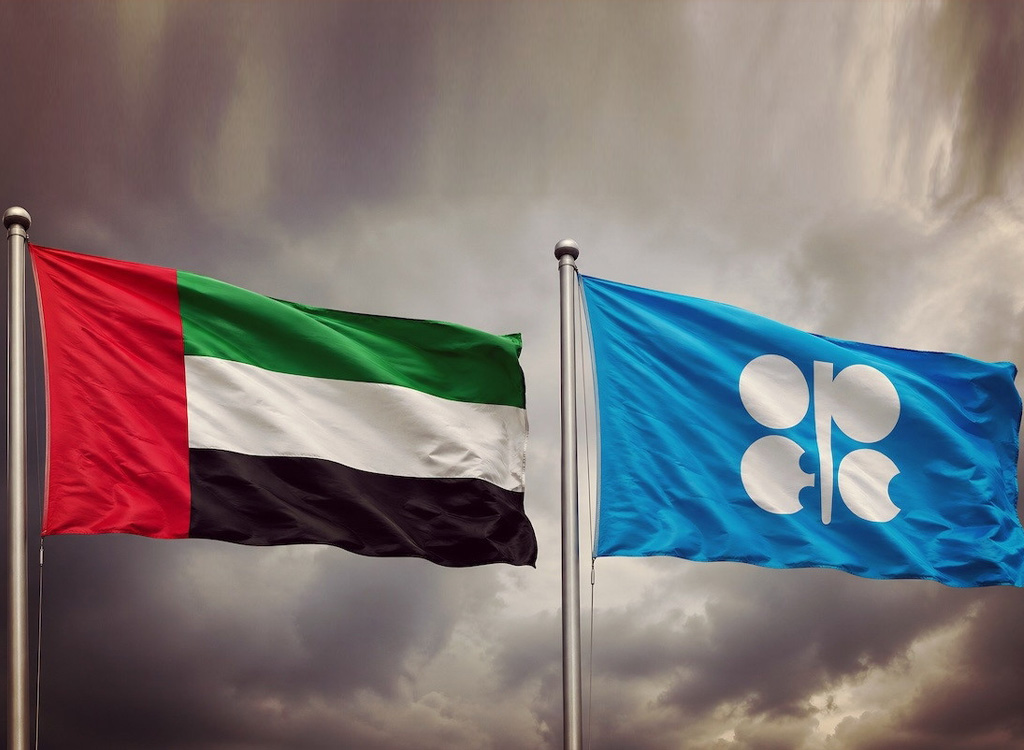
Oil markets are watching closely as members of the OPEC+ alliance convene to agree on new production quotas following the United Arab Emirates’ (UAE’s) move to step away from the bloc’s internal quota framework. The discussions come at a sensitive moment for global energy stability, with prices, supply discipline, and internal cohesion all under pressure.
The meeting of the expanded producers’ group led by the Organisation of the Petroleum Exporting Countries (OPEC) and its partners, commonly known as OPEC+, is expected to focus on recalibrating output targets amid shifting demand forecasts and diverging national interests. The alliance, which includes major producers such as Russia and Saudi Arabia, has long relied on coordinated cuts and increases to manage global supply and stabilize prices.
Attention is particularly fixed on the decision by the UAE to move away from the existing quota structure. The UAE has argued in recent years that its production capacity has expanded and that its baseline allocation under the current system no longer reflects its capabilities. This position has created friction within the group, which depends on agreed quotas to ensure collective discipline.
Analysts say the UAE’s stance highlights a broader structural tension within OPEC+: balancing the need for unity against the differing economic ambitions of individual members. While some producers prioritise higher output to maximise revenue, others focus on restricting supply to support higher global prices.
The timing of the meeting adds further complexity. Global oil markets are navigating uncertainty linked to fluctuating demand in major economies, ongoing geopolitical risks, and energy transition pressures. Any sign of weakened coordination within OPEC+ could amplify price volatility, particularly if markets interpret the UAE’s position as a precedent for other members.
For now, Saudi Arabia is expected to push for continued collective management of output levels, emphasising the importance of cohesion to maintain market stability. Russia, another key player in the alliance, is also likely to support measures that prevent sharp price declines, given its reliance on energy exports.
However, internal negotiations are expected to be difficult. The question of production baselines, quota fairness, and compliance mechanisms has become increasingly contentious as some members expand capacity faster than others. The UAE’s position has effectively brought these long-standing disagreements into sharper focus.
Oil traders and investors are closely monitoring the outcome, with any breakdown in consensus potentially reshaping short-term price expectations. A unified agreement would likely reassure markets, while signs of fragmentation could lead to renewed volatility.
Beyond immediate market implications, the meeting underscores a deeper challenge facing OPEC+: maintaining relevance in a global energy system that is gradually shifting away from fossil fuels. As members pursue different national strategies, the cohesion that has historically underpinned the group is being tested in new ways.
The outcome of this meeting will therefore be seen not only as a technical adjustment of quotas, but also as a signal of how far the alliance can adapt to internal divergence while still projecting collective influence over global oil markets.









Leave a comment