
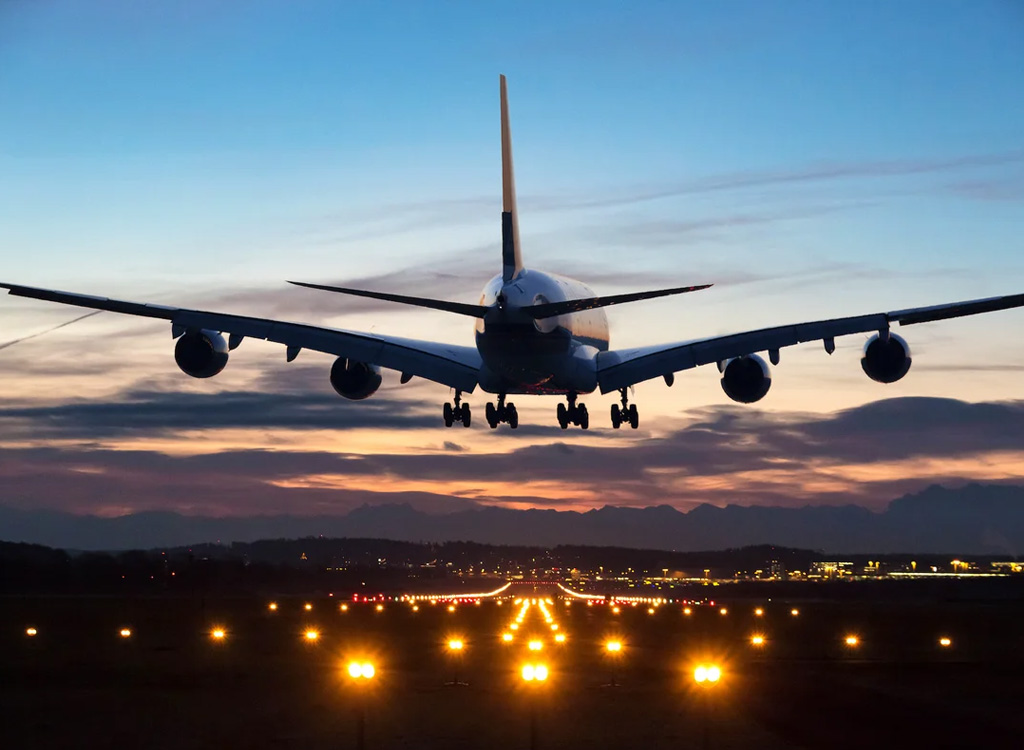
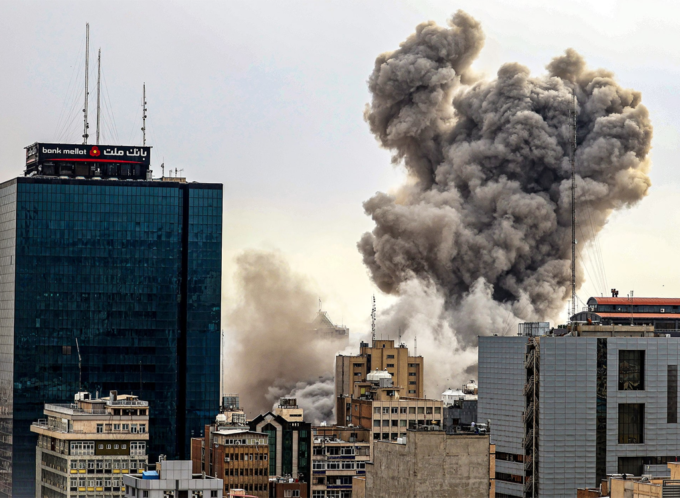
The ongoing Iran war has triggered widespread disruption across global aviation, forcing airlines to reroute flights, absorb rising fuel costs, and manage growing uncertainty among passengers. What began as a regional conflict has rapidly evolved into a major stress test for the international travel system, with consequences now being felt far beyond the Middle East.
At the centre of the disruption is the closure and restriction of key air corridors across Iran, Iraq, Israel, and parts of the Gulf region. These airspaces form critical links between Europe, Asia, and Africa, and their partial or full shutdown has forced airlines to take longer, more expensive routes. In many cases, flights are now adding significant detours to avoid conflict zones, increasing travel time and operational costs.
The situation has been compounded by instability affecting regional hubs and repeated airspace warnings issued by aviation authorities. Some airports in the region have faced temporary suspensions or reduced operations during periods of escalation, leading to flight cancellations, delays, and stranded passengers.
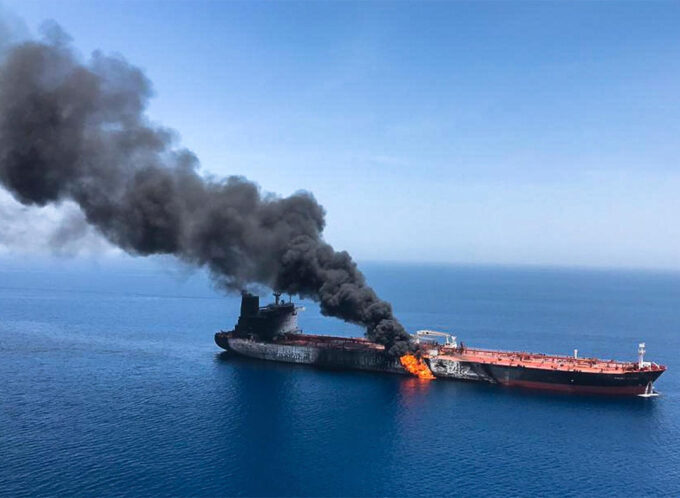
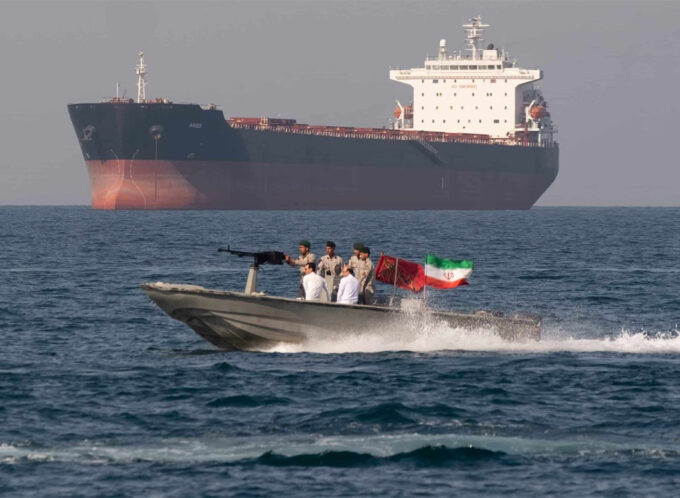
One of the most severe knock-on effects has been the surge in global oil and jet fuel prices. The conflict has disrupted energy flows through the Strait of Hormuz, one of the world’s most important oil transit routes, driving up costs for airlines worldwide. As fuel typically represents one of the largest expenses for carriers, even modest increases have had a significant impact on profitability.
Airlines have responded in several ways. Many have raised ticket prices to offset higher fuel expenses, while others have reduced flight frequencies or suspended less profitable routes. Long-haul operations have been particularly affected, as longer detours increase fuel consumption and reduce efficiency. Budget carriers, which rely heavily on low-cost structures, are under especially acute pressure.
The financial strain has already begun to reshape parts of the industry. Some airlines have issued profit warnings, revised earnings forecasts downward, or delayed expansion plans. In more severe cases, carriers operating on thin margins have faced insolvency risks as operating costs rise faster than revenue.
For passengers, the impact is being felt through higher fares, fewer direct connections, and growing unpredictability in travel planning. Many travellers are now booking closer to departure dates or opting for alternative destinations perceived as more stable. Travel agencies report increased uncertainty, particularly for long-haul routes passing through or near affected regions.
The tourism sector is also feeling indirect effects. Destinations reliant on Middle Eastern transit hubs have seen shifts in passenger flows, while global travel demand patterns are adjusting in response to pricing changes and route availability. Insurance costs for airlines have also risen, further adding to operational burdens.
Beyond immediate disruptions, analysts warn that prolonged instability could reshape global aviation networks more permanently. Airlines may continue to redesign routes to reduce exposure to high-risk airspace, potentially leading to longer-term inefficiencies and higher baseline operating costs across the industry.
The current situation underscores how deeply interconnected global aviation is with geopolitical stability. A conflict centered in one region is now affecting ticket prices, flight schedules, and airline profitability across continents.
For now, the industry remains in a reactive phase – balancing safety, cost, and demand under rapidly changing conditions. But if the conflict continues, both airlines and passengers may need to adapt to a new normal of higher prices, longer journeys, and persistent uncertainty in global travel.
(With input from news agencies)










Leave a comment