
By The Pulseline News Desk
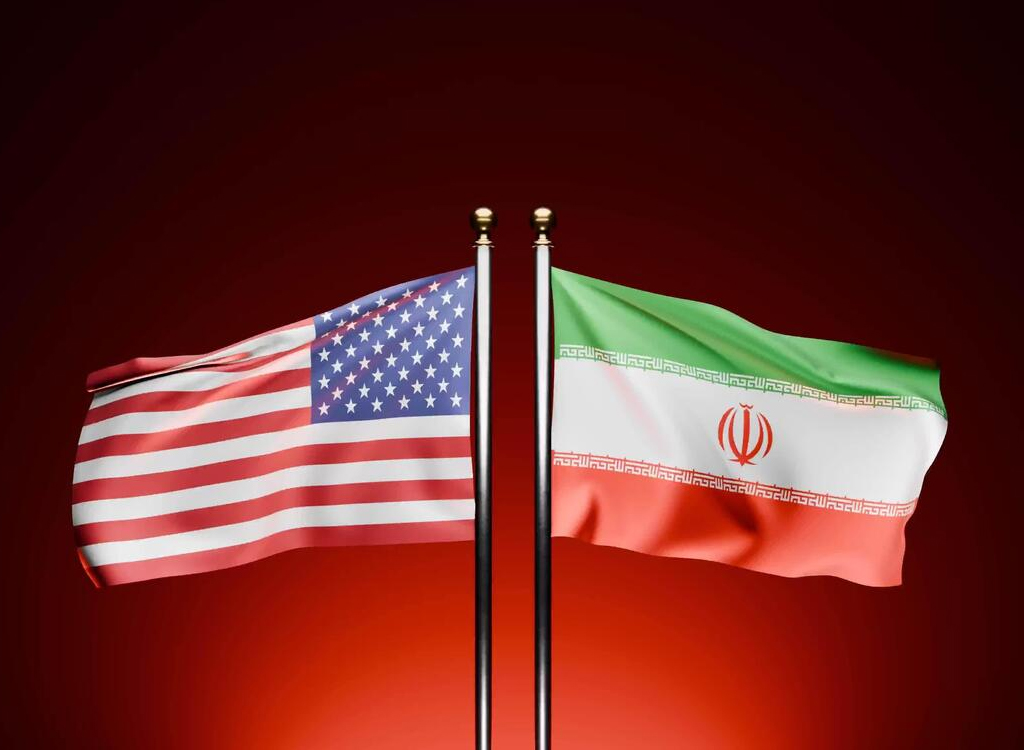
After days of military confrontation that pushed the Middle East to the brink of wider conflict, the United States (US) and Iran have agreed to suspend attacks and resume direct talks in Qatar, raising cautious hopes that diplomacy may yet prevent another prolonged regional crisis.
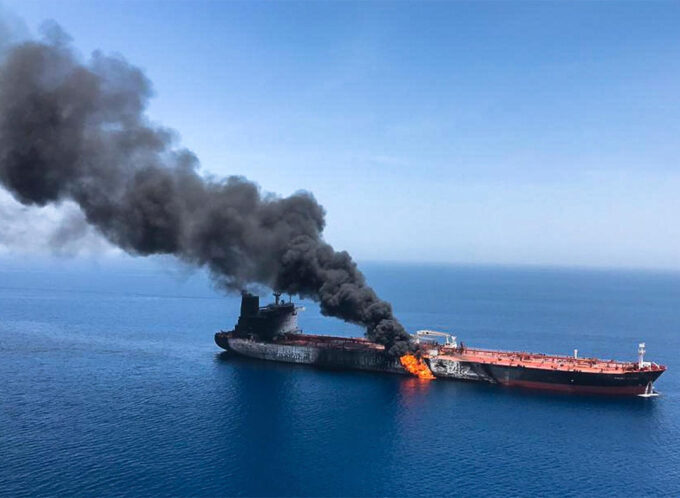
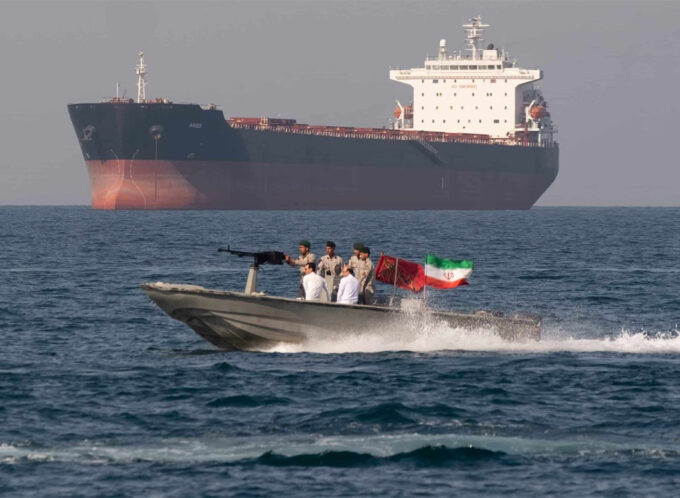
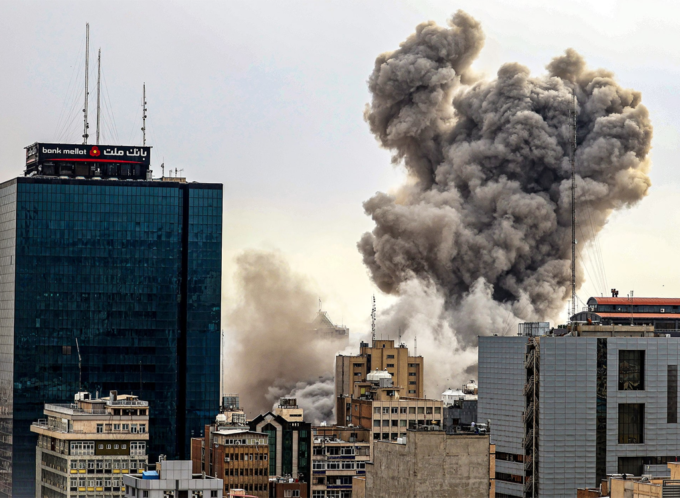
The decision to pause hostilities marks a significant shift in a relationship that has often lurched between uneasy restraint and open confrontation. In recent days, exchanges of military strikes had heightened fears of a broader conflict, drawing concern from regional governments, global markets and international observers.
The planned meeting in Doha represents the latest attempt to use dialogue to contain a crisis before it escalates further. Qatar has become an increasingly important diplomatic bridge in regional conflicts, maintaining communication channels with both Washington and Tehran while positioning itself as a trusted mediator during periods of heightened tension.
While the agreement to halt attacks is being viewed as an important confidence-building measure, officials on both sides have stopped short of describing it as a breakthrough. Instead, the talks are expected to focus on reducing immediate security risks, preventing further military escalation and exploring avenues for continued engagement.
For both governments, the decision reflects the limits of military action. Although each side sought to demonstrate strength through recent operations, continued escalation carried significant risks, including threats to regional stability, international shipping and global energy markets. A diplomatic pause offers an opportunity to lower those risks without requiring either side to abandon its broader strategic objectives.
The talks also underscore the increasingly important role played by regional mediators. Qatar has repeatedly hosted negotiations involving rivals who have little or no direct communication, using its diplomatic ties to facilitate discussions that might otherwise be impossible.
Yet expectations remain measured. Decades of mistrust, competing regional interests and unresolved disputes continue to shape relations between the United States and Iran. Even if the Doha meeting succeeds in maintaining the current pause, substantial differences remain on issues ranging from regional security to military activities and broader geopolitical influence.
For now, however, the agreement provides a rare moment of restraint after days of confrontation. It offers both sides a chance to test whether diplomacy can achieve what military pressure could not.
Whether the talks produce lasting progress or simply delay another round of confrontation will become clearer in the days ahead. But for a region accustomed to cycles of escalation, the decision to replace missiles with negotiations is, in itself, a notable development.
(With input from news agencies)









Leave a comment