

By The Pulseline News Team
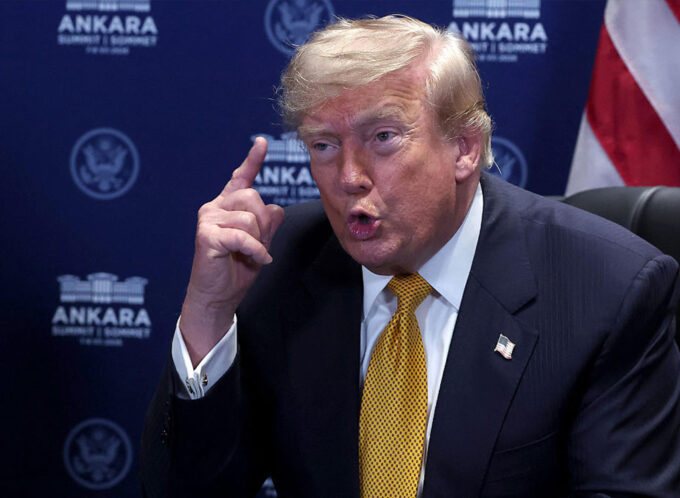
Tensions between Washington DC and Tehran intensified Monday after former US President Donald Trump publicly rejected Iran’s latest diplomatic proposal, calling it “totally unacceptable,” while Iranian officials accused the US of continuing to pursue “unreasonable demands” in negotiations.
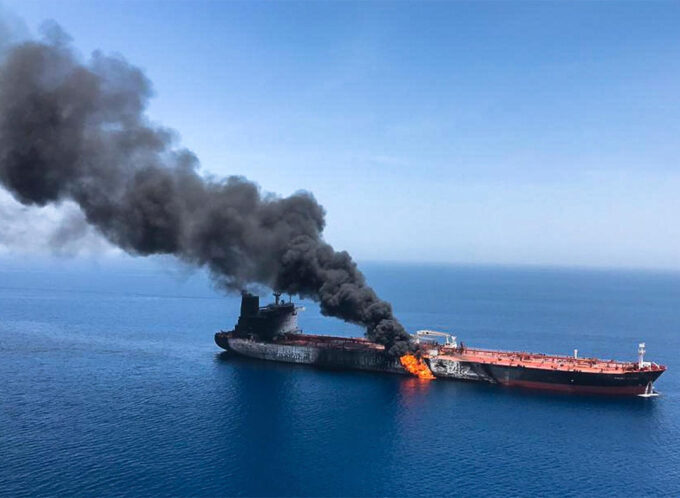
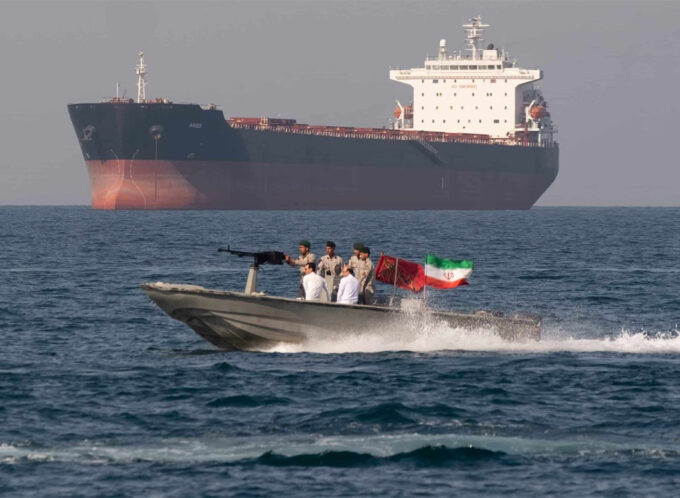
The exchange comes amid renewed instability across the Gulf region and mounting fears over the security of the Strait of Hormuz, one of the world’s most critical oil shipping routes.
According to reports from regional and Western media, Iran had submitted a revised proposal aimed at easing tensions and opening a pathway toward broader negotiations with Washington. Tehran’s offer reportedly included a phased reduction in regional hostilities, limited cooperation on maritime security, and a gradual framework for discussing nuclear issues in exchange for sanctions relief.
Iranian officials argued that the proposal represented a balanced compromise. Foreign Ministry spokesperson Esmaeil Baghaei said Tehran’s response was “reasonable and constructive,” insisting that Iran had shown flexibility despite ongoing economic pressure and military threats. Iranian state media further accused Washington of insisting on one-sided conditions that ignored Iran’s security concerns.
Trump, however, rejected the proposal outright. In public remarks and online statements, he accused Iran of attempting to delay negotiations while continuing destabilizing activities in the Gulf region. Sources close to the talks say the US position continues to demand sweeping restrictions on Iran’s uranium enrichment capabilities, tighter controls on ballistic missile development, and a reduction in Tehran’s support for allied armed groups across the Middle East.
The disagreement highlights the deep mistrust that has long defined relations between the two countries. While both sides publicly claim to support diplomacy, neither appears willing to make the concessions necessary for a breakthrough.
The developments also triggered immediate concern in global energy markets. Oil prices rose sharply amid fears that continued tensions could threaten shipping traffic through the Strait of Hormuz, where a substantial portion of the world’s oil supply passes each day. Analysts warned that even limited disruptions in the area could have significant consequences for global fuel prices and international trade.
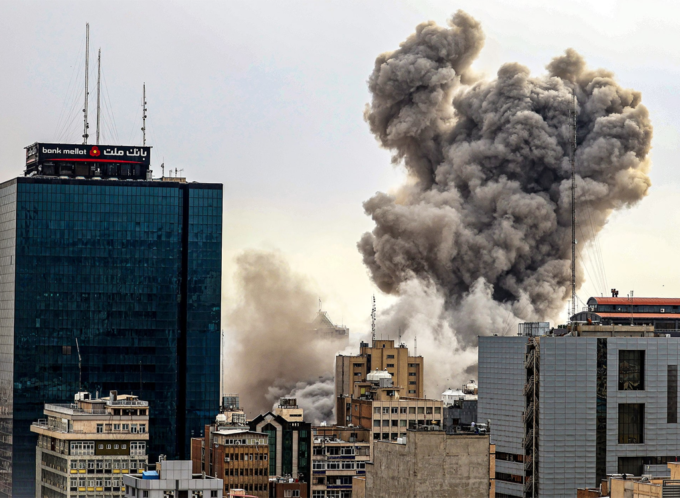
Regional governments are also watching the situation closely. Gulf states remain concerned that a collapse in negotiations could lead to renewed military escalation, while European allies continue to push for diplomatic engagement to avoid a wider conflict.
Despite the heated rhetoric, diplomats familiar with the discussions say indirect communication channels between Washington and Tehran remain open. However, with both sides hardening their public positions, prospects for a near-term agreement appear increasingly uncertain.
Recent reports suggest that mediators from several regional countries are continuing efforts to revive talks, though no formal breakthrough has been announced.
(With input from new agencies)









Leave a comment