
By The Pulseline News Desk
The fragile hope that the Middle East was edging away from another major conflict has once again been shattered. Fresh United States (US) airstrikes on targets in Iran, coupled with Tehran’s vow of a “crushing” response and NATO’s public endorsement of Washington’s actions, have raised fears that the region is entering a dangerous new phase of confrontation.
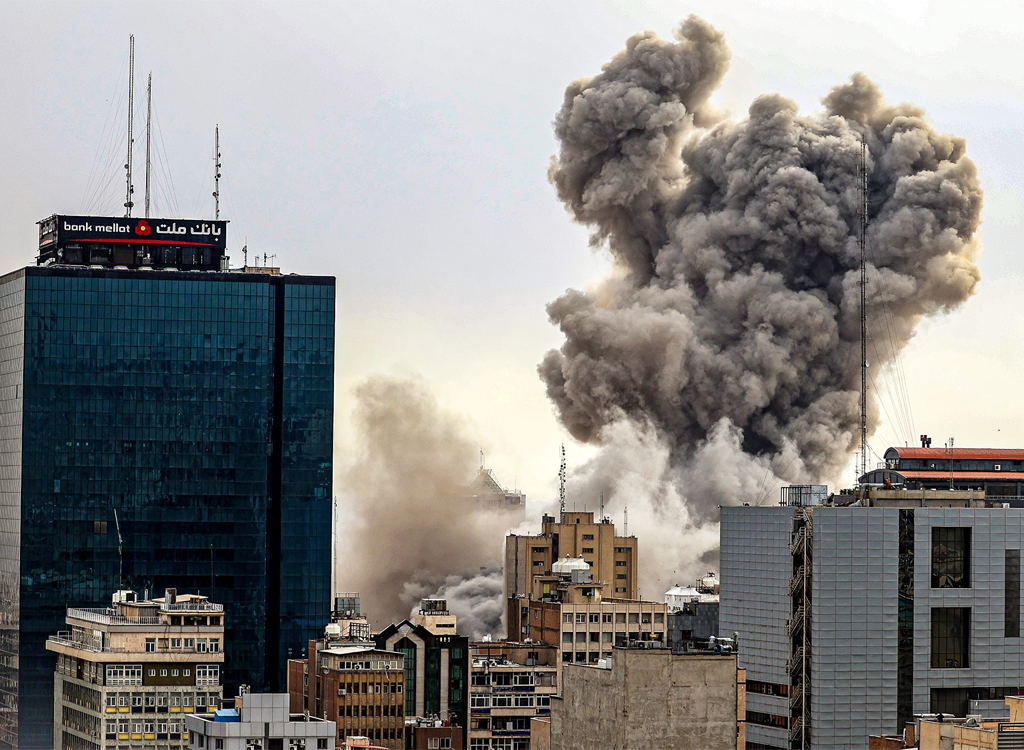
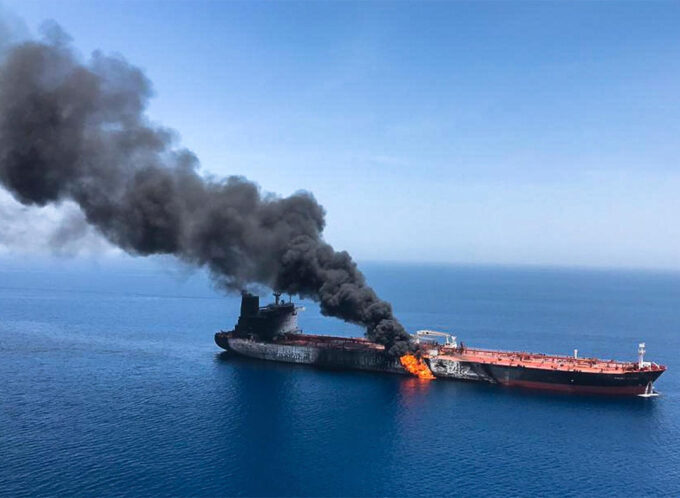
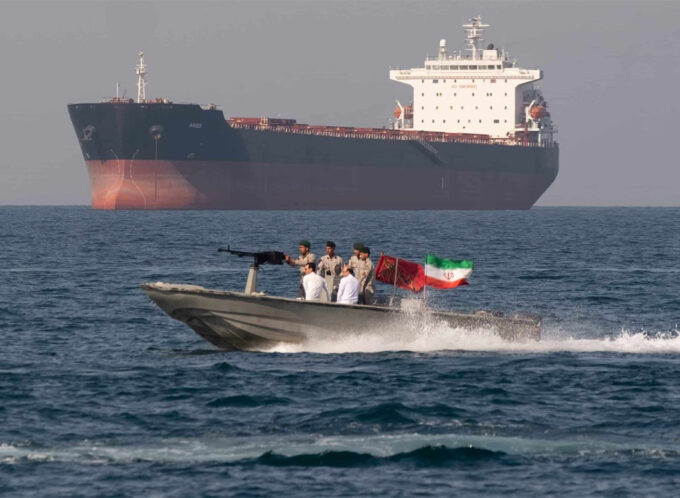
Explosions were reported across southern Iran after the US launched a new round of military strikes, which Washington said were in response to Iranian attacks on commercial shipping in the Strait of Hormuz. US officials described the operation as a necessary measure to deter further aggression and protect international maritime trade.
Iran, however, sees the attacks differently.
Tehran accused the US of expanding the conflict by allegedly striking a railway bridge and other infrastructure, describing the attacks as violations of international law. Iranian leaders vowed a “crushing” retaliation, warning that the country’s armed forces would respond “at a time and place of their choosing.”
The latest escalation follows weeks of rising tensions in the Gulf, where attacks on commercial vessels and repeated military exchanges have steadily eroded confidence in diplomatic efforts. What had been portrayed as a temporary ceasefire now appears to have collapsed, with both Washington and Tehran blaming each other for violating its terms.
Adding political weight to Washington’s position, NATO Secretary General Mark Rutte defended the latest US military action, calling it “absolutely necessary.” He argued that Iran’s alleged attacks on commercial shipping demanded a firm response and stressed the importance of protecting freedom of navigation through one of the world’s busiest energy corridors.
Yet outside military circles, concerns are growing that every new strike narrows the path back to diplomacy.
The Strait of Hormuz carries roughly one-fifth of the world’s seaborne oil, making any disruption a matter of global economic significance. Energy markets have already reacted nervously, with oil prices climbing amid fears that further attacks could threaten shipping through the strategic waterway.
For ordinary Iranians, the crisis extends far beyond military calculations. Reports of explosions, damaged infrastructure and heightened security have added to years of economic hardship driven by sanctions, inflation and regional instability. Families face uncertainty as the possibility of further retaliation looms over cities and transport networks.
Military analysts caution that both sides appear determined to demonstrate strength while attempting to avoid a full-scale war. Yet history suggests that conflicts often expand not through deliberate planning but through miscalculation. A single missile, an unintended casualty or an attack on critical infrastructure could trigger a cycle of retaliation that becomes increasingly difficult to contain.
International calls for restraint continue, but diplomatic efforts face mounting obstacles.
(With input from news agencies)










Leave a comment