
By The Pulseline News Desk
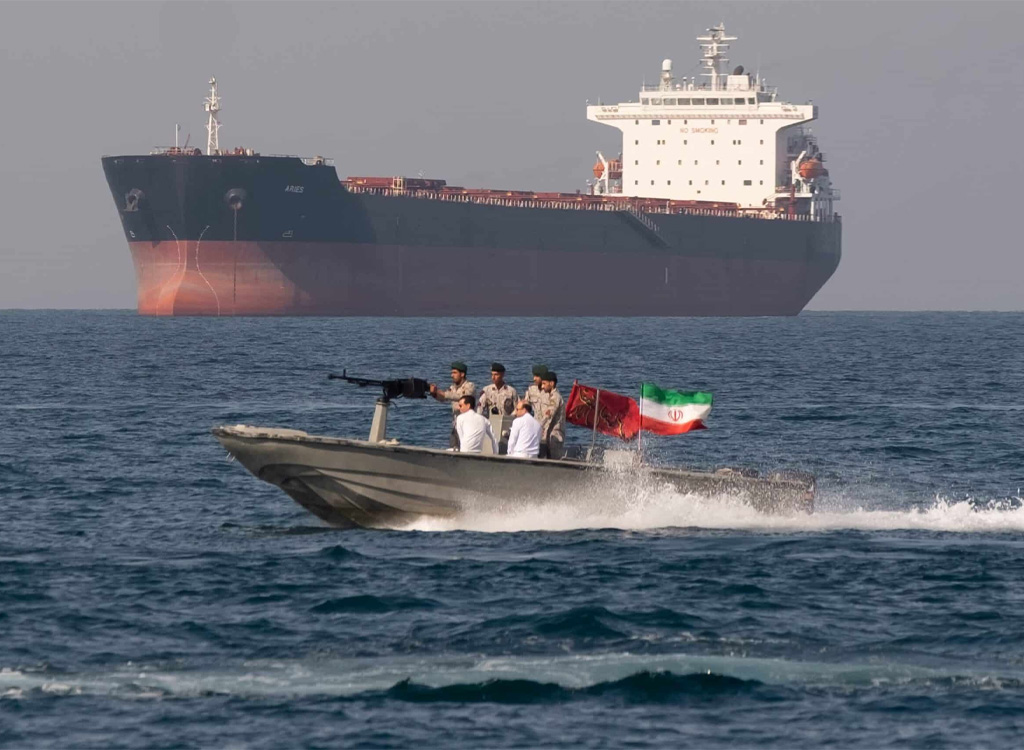
As tensions continue to cast a shadow over one of the world’s most strategically important maritime chokepoints, the United Arab Emirates (UAE) is reportedly accelerating plans to expand ports, oil storage facilities and export infrastructure along its Gulf of Oman coastline – a move aimed at reducing its dependence on the Strait of Hormuz.
According to media reports, the UAE is exploring new investments in logistics and energy infrastructure that would enable the country to maintain trade and oil exports even if shipping through the Strait of Hormuz were disrupted.
The plans reflect a broader shift in Gulf energy strategy, where regional producers are increasingly investing in alternative export routes to strengthen energy security amid geopolitical uncertainty.
The world’s most critical oil chokepoint
The Strait of Hormuz, a narrow waterway linking the Persian Gulf with the Gulf of Oman and the Arabian Sea, is regarded as one of the world’s most vital maritime corridors.
Roughly one-fifth of global oil consumption passes through the strait each day, making it indispensable to international energy markets. It is also a key transit route for liquefied natural gas exports, particularly from Qatar.
Any disruption to shipping through Hormuz, whether caused by military conflict, political tensions or threats to commercial vessels, has the potential to trigger sharp increases in global oil prices, disrupt supply chains and fuel broader economic uncertainty.
Building around the bottleneck
The UAE has long sought to reduce its vulnerability to a possible closure of the strait.
One of its most significant strategic assets is the Abu Dhabi Crude Oil Pipeline, which transports crude oil from inland production fields to the port of Fujairah on the Gulf of Oman, allowing exports to bypass Hormuz entirely.
The reported plans would build on that strategy by expanding infrastructure on the country’s eastern coastline, including new ports, oil terminals, storage facilities and logistics hubs capable of handling greater volumes of energy exports and commercial trade.
Strengthening Fujairah and nearby coastal facilities could enhance the UAE’s ability to maintain exports during periods of regional instability while reinforcing its role as a major global energy supplier.
A strategic logistics hub
Beyond energy exports, the UAE has spent years positioning itself as a global logistics and maritime centre.
Ports on the Gulf of Oman offer direct access to the Indian Ocean without requiring vessels to transit the Strait of Hormuz, making them attractive locations for shipping companies seeking operational resilience.
Expanded infrastructure could also support petrochemical industries, fuel storage, bunkering services and international trade, further diversifying the country’s economy beyond crude oil production.
Geopolitics driving infrastructure
The renewed focus on Gulf of Oman infrastructure comes amid recurring concerns over maritime security in the region.
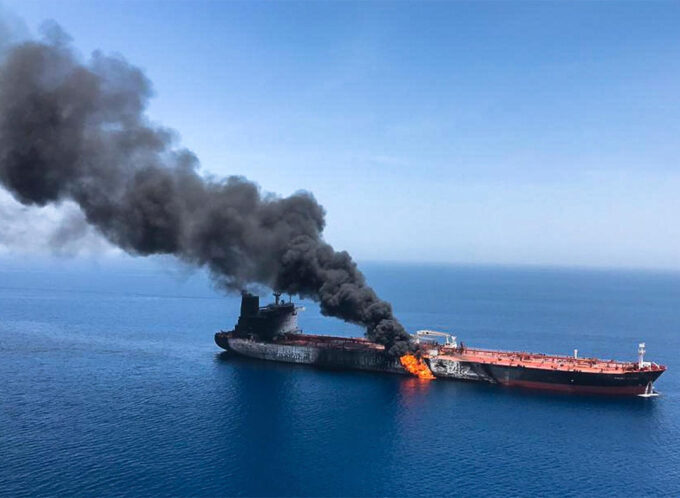
The Strait of Hormuz has repeatedly featured in periods of heightened tensions involving Iran, the United States and other regional powers. Threats to close the strait, attacks on commercial vessels and naval confrontations have periodically unsettled global energy markets, even when shipping has continued uninterrupted.
While an outright closure remains widely viewed as unlikely because of the severe economic consequences for the region itself, governments and energy companies have increasingly recognised the need for contingency planning.
For major oil exporters such as the UAE, investing in alternative export routes is viewed as both an economic safeguard and a strategic necessity.
Implications for global energy markets
The UAE’s reported plans underscore a growing recognition that infrastructure resilience has become as important as production capacity in today’s energy landscape.
As global demand for reliable energy supplies continues, countries that can guarantee uninterrupted exports are likely to strengthen their competitive position in international markets.
For energy-importing nations in Asia, Europe and beyond, expanded export capacity on the Gulf of Oman could reduce some of the risks associated with potential disruptions in the Strait of Hormuz, although it would not eliminate the waterway’s central importance to global oil trade.
Preparing for an uncertain future
The reported expansion plans reflect a broader trend across the Gulf, where economic diversification and energy security are increasingly intertwined.
By investing in ports, pipelines and logistics infrastructure outside the Strait of Hormuz, the UAE is seeking to ensure that geopolitical tensions do not jeopardise its role as a reliable energy exporter.
Whether or not the strait ever faces a prolonged disruption, the strategy signals a long-term shift in how Gulf states are preparing for an increasingly uncertain geopolitical environment – one in which resilience, redundancy and strategic infrastructure are becoming critical components of national security and economic stability.
(With input from news agencies)










Leave a comment