
By The Pulseline News Desk
Despite a series of fuel price increases in recent months, Sri Lanka has not witnessed a significant decline in fuel consumption, according to Cabinet Spokesperson, Minister Nalinda Jayatissa.
Addressing the weekly Cabinet media briefing, Jayatissa revealed that national fuel usage continues to hover between 80 and 90 percent of previous levels, indicating that consumers have not substantially reduced their dependence on fuel despite rising costs.
Data presented by the Minister showed that the consumption of auto diesel in May was only 12 percent lower than in January. Auto diesel consumption stood at 4,538 kilolitres in January, increased to 4,846 kilolitres in February, and peaked at 6,130 kilolitres in March before declining to 3,988 kilolitres in April and 3,701 kilolitres in May. Even with the reduction, May’s consumption remained at 82 percent of January’s level.
A similar trend was observed in petrol usage. Consumption of Octane 92 petrol fell from 5,965 kilolitres in January to 4,849 kilolitres in May, leaving demand at 87 percent of its January level.
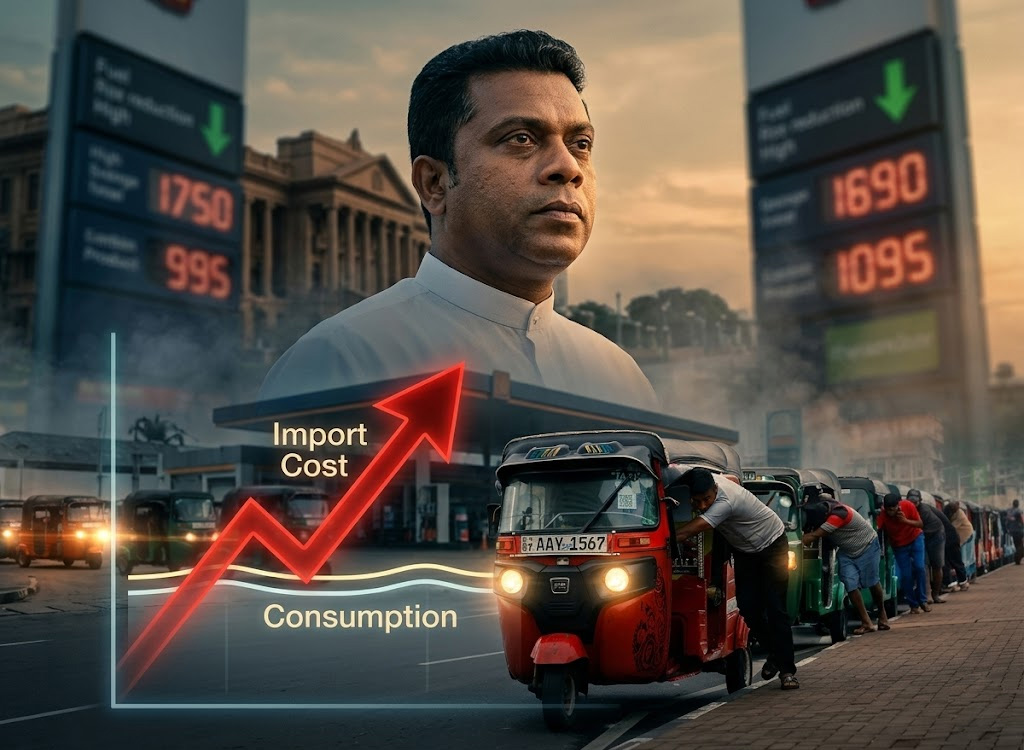
Jayatissa noted that while consumption has eased slightly, the country’s fuel import bill has risen sharply due to escalating global fuel prices. Sri Lanka spent approximately $ 186 million on fuel imports in January. By May, that figure had surged to $ 521 million, placing considerable pressure on state finances.
“The government is not in a position to absorb the entire burden of rising fuel import costs,” the Minister said, underscoring the challenges faced in balancing public demand with economic realities.
Nevertheless, he emphasised that the government has succeeded in maintaining uninterrupted fuel supplies across the country despite the financial strain and necessary price adjustments.
The latest figures suggest that while higher fuel prices have encouraged some reduction in consumption, demand remains relatively resilient, reflecting the essential role of fuel in transportation, commerce, and daily life. The continued high level of consumption, coupled with soaring import costs, remains a key challenge for policymakers seeking to manage the country’s energy expenditure and economic recovery.













Leave a comment