
By The Pulseline News Desk
Governments around the world are being urged to prepare for potentially severe weather disruptions as the United Nations (UN) warns that the current El Niño climate pattern could become one of the strongest experienced in decades.
The warning has renewed concerns among scientists, disaster management agencies, and policymakers who fear that extreme heat, droughts, floods, and food supply disruptions could affect millions of people across multiple continents in the months ahead.
El Niño, a naturally occurring climate phenomenon characterized by unusually warm ocean temperatures in the central and eastern Pacific Ocean, has historically been linked to dramatic shifts in weather patterns worldwide. While some regions experience prolonged droughts and water shortages, others face heavier-than-normal rainfall, floods, and landslides.
According to climate experts, the current event is developing against the backdrop of an already warming planet, raising the possibility that its impacts could be amplified by climate change.
A global weather disruptor
Although El Niño originates in the Pacific Ocean, its effects are felt far beyond the region. Countries in Asia, Africa, the Americas, and Oceania often experience significant changes in rainfall patterns, agricultural productivity, and water availability.
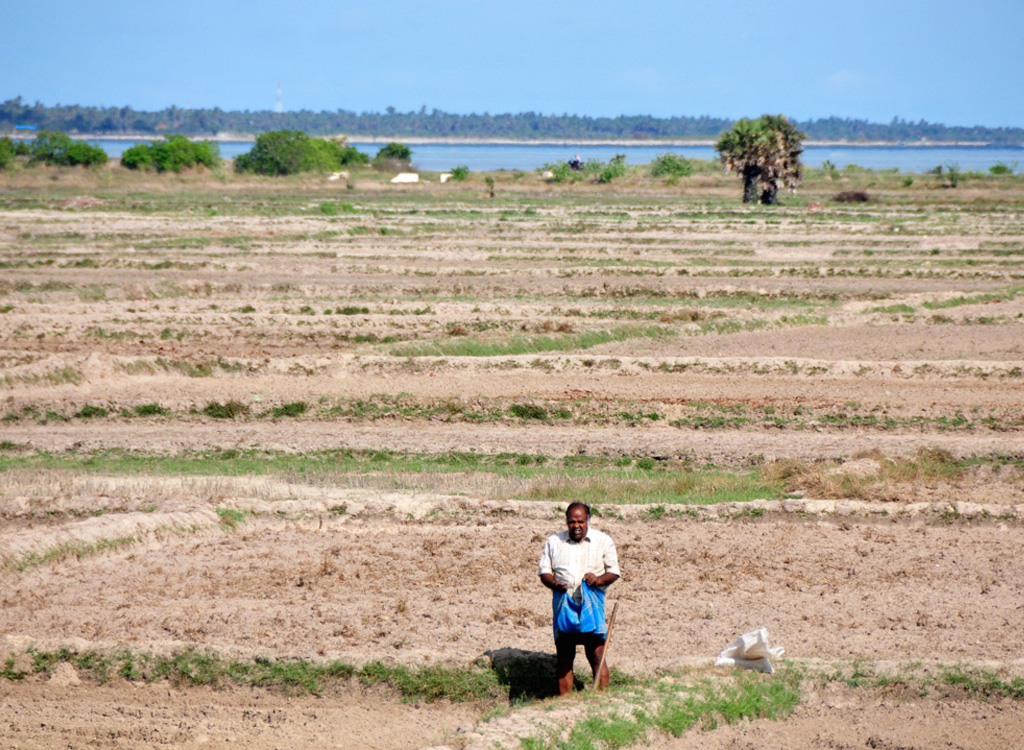
In South Asia, including Sri Lanka, authorities are closely monitoring weather forecasts as El Niño events have historically influenced monsoon behavior. Reduced rainfall can affect agriculture, hydropower generation, and water resources, while irregular weather patterns can challenge farmers who depend on seasonal rains.
Across parts of Southeast Asia and Australia, El Niño has often been associated with drier conditions and an increased risk of wildfires. Meanwhile, some regions in the Americas may experience intense storms and flooding.
The UN has called on governments to strengthen preparedness measures, improve early warning systems, and coordinate disaster response efforts before the phenomenon reaches its peak.
Threats to food security
One of the greatest concerns surrounding a strong El Niño is its potential impact on global food production.
Agriculture remains highly dependent on predictable weather patterns. Droughts can reduce crop yields, damage livestock production, and strain irrigation systems, while excessive rainfall can destroy harvests and disrupt transportation networks.
The consequences are often felt far beyond farming communities. Lower agricultural output can contribute to higher food prices, placing additional pressure on households already struggling with the rising cost of living.
Global commodity markets have become increasingly sensitive to weather-related disruptions. Previous El Niño events have been linked to fluctuations in the prices of rice, wheat, maize, sugar, and other staple foods.
For developing nations, where a significant portion of household income is spent on food, even modest price increases can have substantial social and economic consequences.
Rising temperatures and public health risks
Scientists are also warning that a strong El Niño could contribute to record-breaking global temperatures.
Recent years have already ranked among the hottest ever recorded, with climate change driving a long-term warming trend. The additional warming effect associated with El Niño could push temperatures even higher, increasing the frequency and intensity of heatwaves.
Extreme heat poses serious health risks, particularly for elderly populations, outdoor workers, and vulnerable communities. Hospitals and health authorities may face increased demand due to heat-related illnesses, dehydration, and respiratory conditions.
Changing weather conditions can also influence the spread of certain diseases, including mosquito-borne illnesses that thrive under specific temperature and rainfall patterns.
Economic consequences
The economic impacts of El Niño can be far-reaching.
Water shortages may affect energy production, particularly in countries that rely heavily on hydropower. Transportation networks can be disrupted by floods, storms, or drought-related restrictions on waterways. Insurance costs may rise as natural disasters become more frequent and severe.
Businesses dependent on agriculture, tourism, fisheries, and natural resources are particularly vulnerable to weather-related disruptions.
Economists warn that a major El Niño event could add further uncertainty to a global economy already facing challenges from inflation, geopolitical tensions, and slowing growth in some regions.
The need for preparedness
Despite the risks, experts emphasise that early preparation can significantly reduce the impact of extreme weather events.
Advances in forecasting technology have improved the ability of meteorological agencies to monitor El Niño’s development and provide timely warnings. Governments are being encouraged to strengthen water management strategies, support farmers, improve emergency response systems, and protect vulnerable communities.
The UN’s warning serves as a reminder that climate-related risks are becoming increasingly interconnected. What begins as a warming of ocean waters thousands of kilometres away can ultimately affect food supplies, energy systems, public health, and economic stability across the globe.
As scientists continue to monitor the phenomenon, the message from international agencies is clear: preparation today could help prevent humanitarian and economic crises tomorrow.
With the possibility of one of the strongest El Niño events in decades unfolding, nations have little time to waste in preparing for the challenges ahead.












Leave a comment