
By The Pulseline News Desk
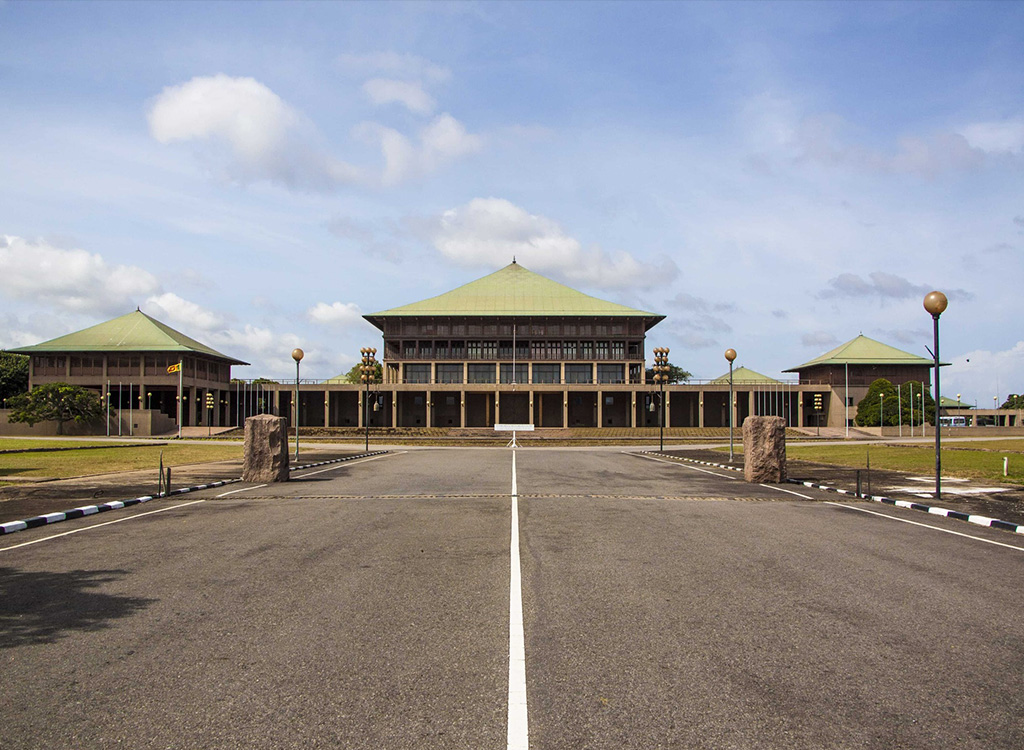
What began as a request for a parliamentary debate on judicial vacancies quickly escalated into a dramatic confrontation in Parliament on Tuesday (23), highlighting growing concerns over the state of the country’s justice system and the increasingly tense relationship between the government and opposition on institutional reform.
The day’s proceedings were interrupted after opposition lawmakers demanded an urgent discussion on vacancies in the higher judiciary and mounting delays in the hearing of cases, arguing that the issue had become a matter of national importance.
The dispute culminated in heated exchanges on the floor of the House, a temporary suspension of parliamentary sittings, and an unprecedented attempt by several opposition MPs to approach and seize the parliamentary mace before being restrained by security officials.
Beyond the political drama, however, lies a deeper debate about the functioning of the country’s judicial system and the challenges confronting one of the country’s most important democratic institutions.
A growing backlog
In a letter submitted to Speaker Jagath Wickramaratne under Standing Order 19(1), opposition legislators argued that prolonged vacancies in superior courts and increasing delays in the adjudication of cases have created a crisis that warrants immediate parliamentary attention.
According to the opposition, delays in judicial proceedings have reached levels that affect not only litigants but also public confidence in the administration of justice.
Legal experts have long maintained that delays in court proceedings can have far-reaching consequences. Individuals seeking civil remedies, businesses involved in commercial disputes and accused persons awaiting the conclusion of criminal trials may all be affected when cases remain unresolved for extended periods.
The opposition contends that vacancies within the judicial hierarchy have contributed significantly to these delays, placing additional burdens on existing judges and slowing the overall pace of judicial administration.
Debate request rejected
The issue came to the forefront when Opposition MP Ajith P. Perera informed Parliament that 20 opposition MPs had formally requested a debate on judicial vacancies and proposals relating to the retirement age of judges.
The request, however, encountered resistance from the government benches.
Leader of the House, Minister Bimal Rathnayake argued that the ongoing parliamentary business could not be interrupted because a vote had already been scheduled for the conclusion of the day’s session.
While indicating that a vote on procedural matters could be considered, he maintained that there was insufficient time to accommodate the requested debate.
The government’s position immediately drew criticism from opposition members, who argued that the matter was too urgent to be postponed.
Tensions boil over
The disagreement soon evolved into a broader confrontation.
Several opposition MPs, including Harsha de Silva, Dayasiri Jayasekera and Opposition Leader Sajith Premadasa, voiced strong objections to the government’s refusal to allow the debate.
As tensions intensified, Speaker Wickramaratne announced a 10-minute adjournment in an attempt to restore order.
The situation escalated further when a group of opposition MPs moved towards the parliamentary mace, a symbolic emblem of the authority of Parliament. Parliamentary security personnel, led by Sergeant-at-Arms Kushan Jayarane, intervened to prevent any disruption involving the ceremonial object.
The incident underscored the depth of frustration among opposition lawmakers, who viewed the government’s decision as an attempt to avoid scrutiny of issues affecting the judiciary.
More than a political dispute
While parliamentary confrontations often dominate headlines, analysts note that the underlying issue extends beyond partisan politics.
An effective judicial system is widely regarded as a cornerstone of democratic governance, economic development and the rule of law. Delays in resolving disputes can affect citizens’ access to justice, investor confidence and the overall credibility of public institutions.
The debate over judicial vacancies has therefore become part of a broader national conversation about institutional capacity, governance reforms and the efficiency of state institutions.
The opposition argues that filling vacancies and addressing administrative weaknesses within the court system should be treated as a priority. Government representatives, meanwhile, maintain that parliamentary procedures and scheduling constraints must also be respected.
The road ahead
The confrontation in Parliament may have temporarily halted proceedings, but it has ensured that the issue of judicial reform remains firmly in the public spotlight.
Whether the requested debate is scheduled at a later date remains to be seen. What is certain, however, is that concerns about judicial vacancies, case backlogs and delays in the delivery of justice are unlikely to disappear from the national agenda.
For thousands of litigants awaiting court decisions, the discussion is about far more than parliamentary procedure. It is about the speed, efficiency and accessibility of a justice system that plays a critical role in safeguarding rights and maintaining public trust.
As lawmakers continue to clash over how and when the issue should be addressed, the larger question remains unresolved: how quickly can the country’s justice system overcome the structural challenges that many believe are slowing the course of justice itself?












Leave a comment