
By The Pulseline News Desk
The familiar school canteen menu of burgers, sausages, soft drinks and sugary treats could soon disappear from schools across the country as health authorities launch a major effort to improve children’s eating habits.
Under newly introduced Guidelines on Healthy School Canteens, the Ministry of Health has announced a sweeping list of food and beverage items that will be prohibited from sale in school canteens, marking one of the most comprehensive reforms of school nutrition policies in recent years.
The initiative is aimed at ensuring that students have access to affordable, safe and nutritious food while encouraging healthier lifestyle choices from an early age.
For decades, school canteens have been a daily destination for thousands of students seeking a quick snack between classes. However, many nutrition experts have expressed concern that readily available processed foods, sugary drinks and high-salt snacks have contributed to unhealthy dietary patterns among children.
The new guidelines seek to reverse that trend.
Among the items banned are processed meat products such as sausages, bacon, ham and meatballs, as well as popular foods prepared using them, including burgers, hot dogs and pizza. Health officials say these products are often high in sodium, saturated fats and preservatives.
The restrictions also target foods high in sugar and refined flour. Pastries, doughnuts, éclairs, cakes, biscuits and similar bakery products have been removed from the approved list, while instant foods such as noodles, soup cubes, seasoning powders and canned pickles have also been prohibited.
Students with a sweet tooth will notice significant changes as confectionery products including chewing gum, toffees, lollipops, puddings, ice cream and other processed desserts are no longer permitted for sale within school premises.
The ban extends to a range of popular snacks commonly found in school canteens. Salt-rich products such as boondi, muscat, dodol, murukku and extruded snack foods like Tipi Tip have also been included on the prohibited list.
Perhaps the most noticeable change for many students will be the removal of sugary beverages. Carbonated soft drinks, high-sugar drinks, flavoured milk products, yoghurt drinks, energy drinks and instant tea and coffee products have all been banned under the new regulations.
Health officials say the measures are designed not only to improve nutrition but also to address growing concerns about childhood obesity, diabetes and other non-communicable diseases that are increasingly affecting younger populations.
Beyond food choices, the guidelines place significant emphasis on hygiene and food safety standards. School canteens will be required to maintain clean and sanitary environments free from disease-carrying pests, while food handlers must adhere to strict personal hygiene requirements and understand their responsibilities in protecting student health.
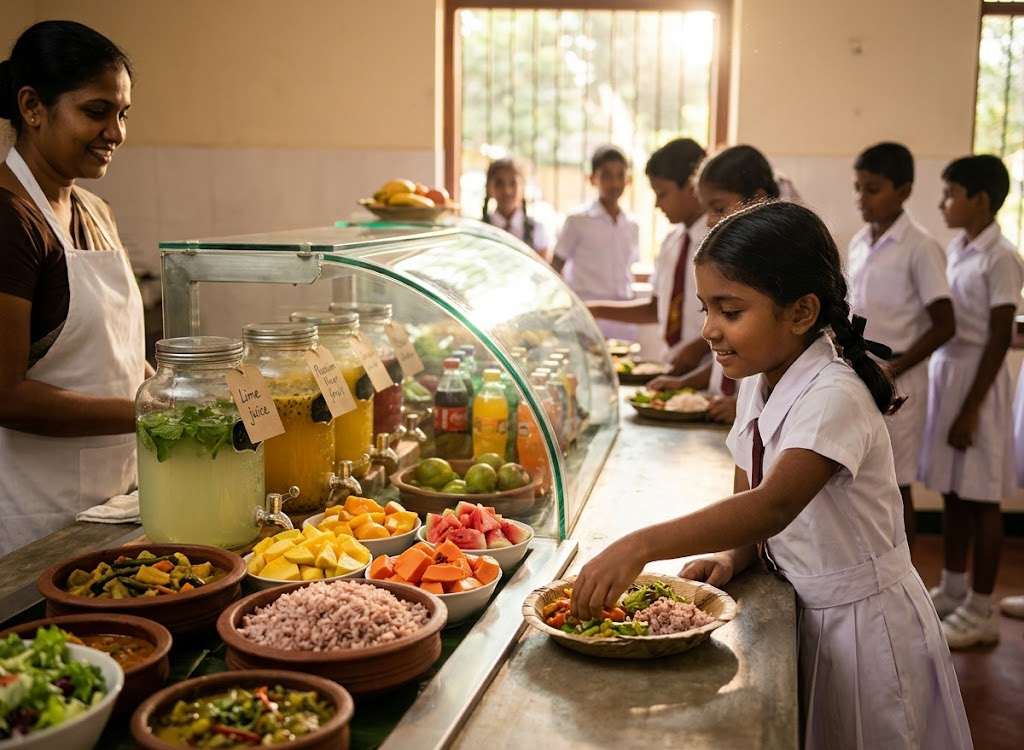
The Ministry has also stressed that canteen menus should not simply eliminate unhealthy foods but actively promote nutritious alternatives. Schools are encouraged to consider children’s preferences while incorporating foods that reflect Sri Lanka’s local culinary traditions and nutritional needs.
Nutritionists have long argued that schools play a critical role in shaping lifelong eating habits. Since many children consume at least one meal or snack during school hours, the canteen environment can significantly influence dietary behaviour.
Supporters of the new policy say the reforms could help create a healthier food culture among students and encourage families to adopt better eating habits at home. They also note that locally sourced fruits, traditional meals and healthier snack options could receive greater prominence under the revised guidelines.
However, implementing the changes may present challenges. School canteen operators may need to redesign menus, identify alternative suppliers and adjust to changing consumer preferences. Students accustomed to popular processed foods may also take time to adapt to healthier alternatives.
Despite these challenges, health authorities view the initiative as an important investment in the country’s future.
By transforming what is available at school canteens, policymakers hope to make healthy eating the easier choice for children – one meal, one snack and one school day at a time.
The success of the programme will ultimately depend not only on regulations but also on the willingness of schools, parents, canteen operators and students themselves to embrace a new vision of healthier school nutrition.












Leave a comment