
By The Pulseline News Desk
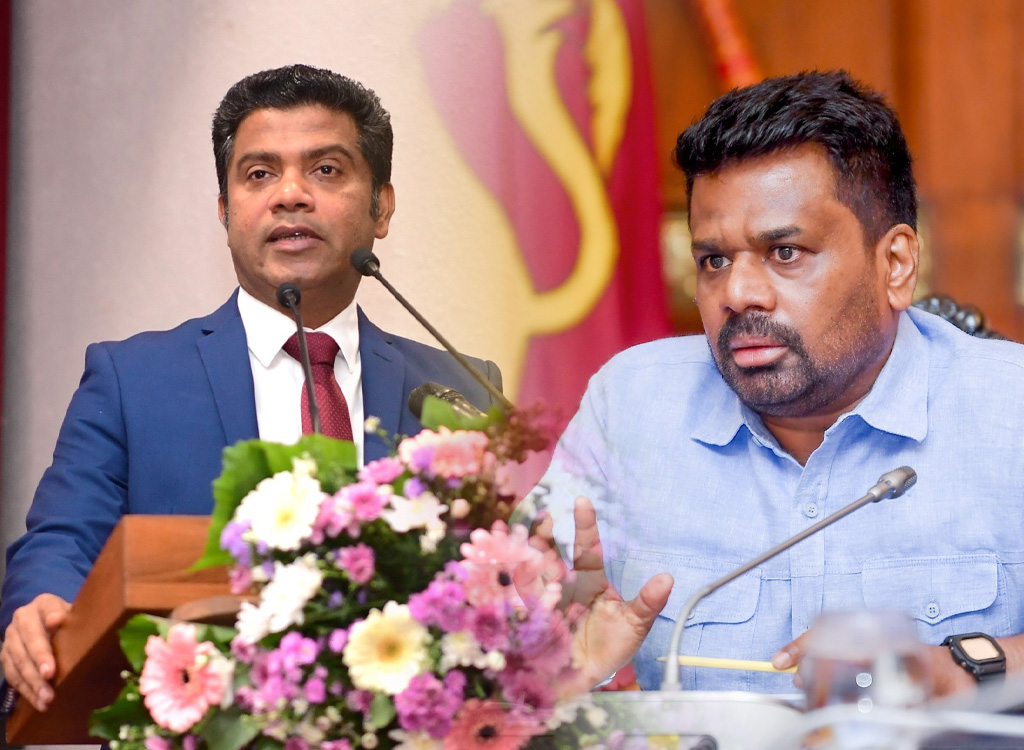
Cabinet Spokesperson, Minister Nalinda Jayatissa has pushed back against criticism over comments made by President Anura Kumara Dissanayake (AKD) at a recent May Day rally, insisting that references to ongoing court cases and their possible outcomes were based on information already widely known to the public.
Speaking to the media, Jayatissa said that discussing such matters in a political setting does not amount to interference with the judiciary, as the details mentioned are part of the public domain. “These are not hidden facts. They are commonly known developments that people are already aware of,” he said.
The controversy stems from remarks made by President AKD during his May Day address, where he alluded to pending legal proceedings and suggested possible directions those cases could take. The comments drew criticism from opposition figures and some legal observers, who argued that public statements on active cases, especially by senior political leaders, risk undermining confidence in judicial independence.
Jayatissa rejected those claims, emphasising that the government respects the independence of the courts and has no intention of influencing judicial processes. He added that political leaders have the right to speak on issues of national importance, particularly when they are already being discussed publicly.
Background of heightened sensitivity
The debate comes at a time when Sri Lanka’s legal and political institutions remain under close scrutiny following the Sri Lankan economic crisis, which triggered mass protests and political upheaval, leading to a wave of investigations and court cases related to governance, corruption, and decisions taken during the period.
As a result, ongoing legal proceedings have become a focal point of public interest, increasing sensitivity to any perceived political influence over the judiciary.
Legal analysts note that even indirect commentary on active cases can raise concerns about due process, particularly when it comes from high-ranking officials. However, others argue that in a politically engaged society, complete silence on such issues is neither practical nor expected.
Opposition calls for restraint
Opposition parties have called for greater caution, warning that remarks made on influential platform such as national rallies could be interpreted as signaling preferred outcomes. They stress that maintaining a clear separation between political discourse and judicial proceedings is essential to preserving public trust.
Despite the criticism, the government maintains that no boundaries were crossed. Jayatissa reiterated that the President’s comments should be understood in context, as part of broader political messaging rather than an attempt to prejudge legal outcomes.
Continuing debate
The incident highlights an ongoing tension in Sri Lanka’s democratic landscape: balancing freedom of political expression with the need to safeguard institutional independence.
As court cases linked to the crisis period continue to unfold, similar debates are likely to persist, reflecting the challenges of navigating governance, accountability, and public communication in a post-crisis environment.












Leave a comment