
By The Pulseline News Desk
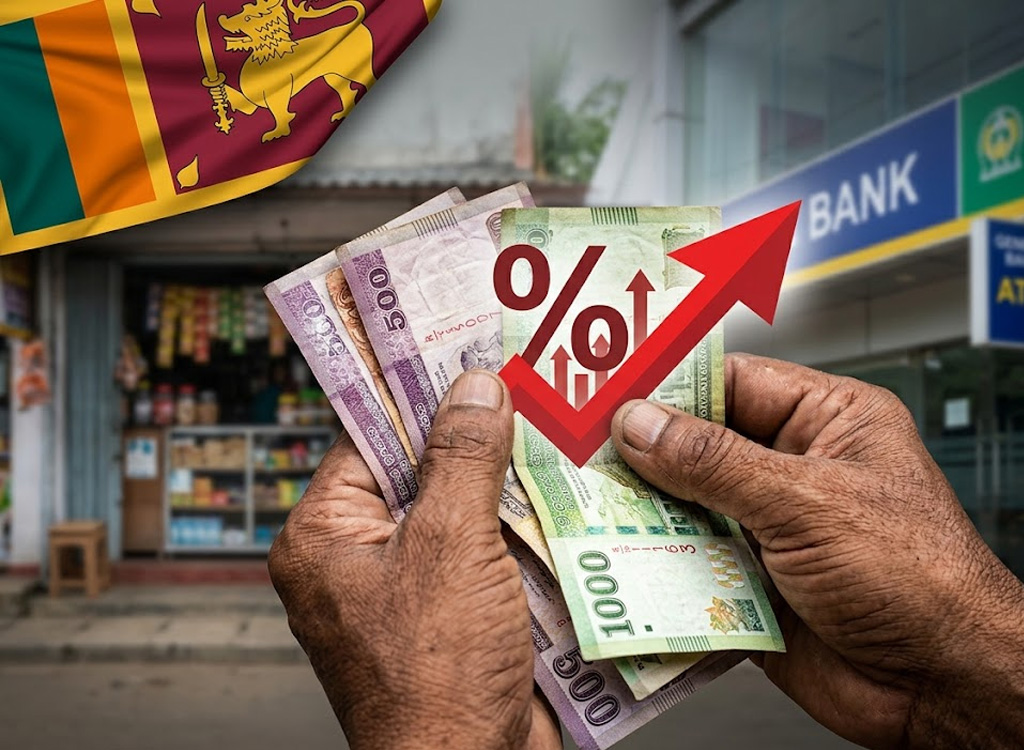
A proposed increase in Value Added Tax (VAT) from 18% to 20.5% on financial services is far more than a routine fiscal adjustment. As Senior Professor Prasanna Perera of the University of Peradeniya observes, the 20.5% rate applies specifically to financial services, including the opening of bank accounts, foreign currency exchange, payment transactions, transfer of ownership, leasing arrangements, and hire purchase agreements.
The government presents this as a simplification, removing the 2.5% Social Security Contribution Levy (SSCL) while adding it back as VAT. However, Prof. Prasanna notes a critical flaw in this reasoning. In practice, the SSCL applied only to limited instruments such as letters of guarantee, meaning most individuals and institutions were never paying that 2.5% to begin with. Its removal offers no meaningful relief, making this an unambiguous and uncompensated VAT increase for many financial service users.
The consequences are far reaching. Banks and financial institutions will pass higher operating costs onto customers through increased fees, risking financial exclusion among lower income citizens. Small and medium-sized enterprises, already operating on thin margins, will face higher costs on leasing and hire purchase arrangements, constraining investment and growth. A simultaneous reduction in the VAT registration threshold from LKR 60 million to LKR 36 million brings thousands of additional small businesses into the tax net at the same time, compounding the pressure.
As Prof. Prasanna concludes, Sri Lanka needs fiscal reform that broadens the tax base equitably, not one that imposes heavier burdens on financial services under the guise of simplification. The path to sustainable public finances must be built on proportionality and fairness.
There are also concerns about inequality. VAT, by its nature, tends to disproportionately affect lower- and middle-income households, who spend a larger share of their income on consumption. Without targeted relief measures or exemptions on essential goods, the tax hike risks widening existing economic disparities.
At the same time, some economists argue that the effectiveness of the increase will depend on how the additional revenue is used. If it is channeled into improving public services, strengthening social safety nets, or investing in growth-enhancing infrastructure, the long-term benefits could offset short-term pain. Transparency and accountability, they note, will be key to maintaining public trust.
As the proposal moves forward, the debate is likely to intensify. For the government, the challenge lies in balancing fiscal discipline with social impact. For millions of Sri Lankans, however, the question is simpler and more immediate: how much more will everyday life cost, and how will they manage the difference?











Leave a comment