
By The Pulseline News Desk
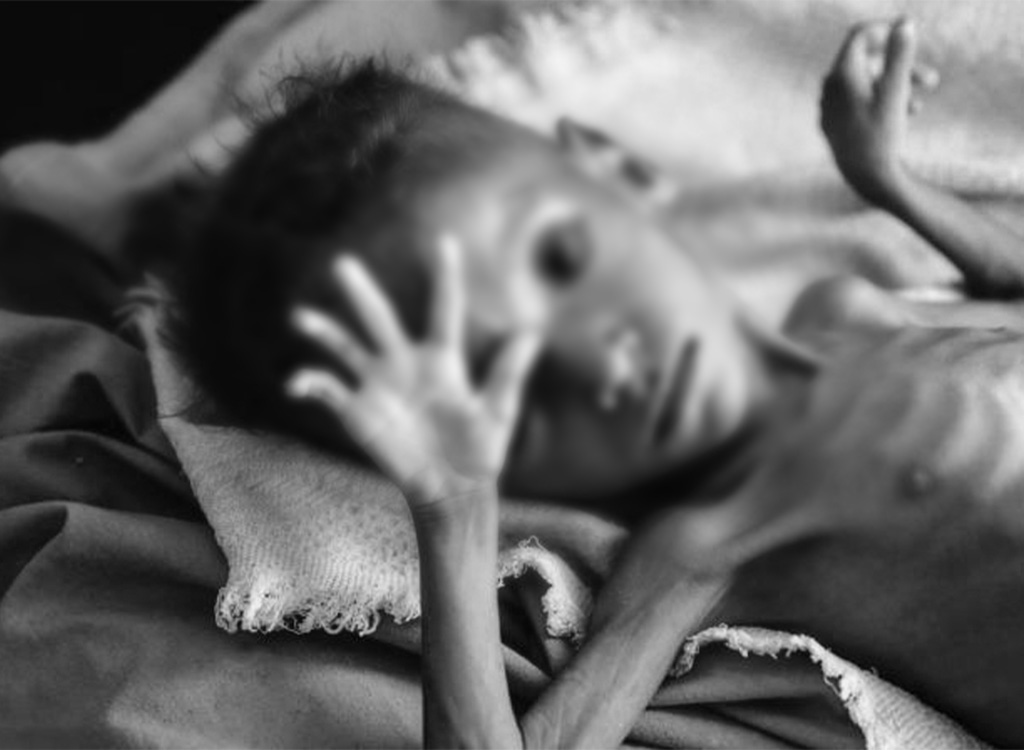
Nearly one in every five Sri Lankan children under the age of five is affected by malnutrition, highlighting a persistent public health challenge that continues to undermine the country’s human development despite decades of social welfare and healthcare investments.
The warning was issued by Health Ministry Secretary Dr. Anil Jasinghe at a media briefing held at the Health Promotion Bureau on Thursday (4) to mark National Nutrition Month 2025.
Presenting the latest nutrition data, Dr. Jasinghe said 10.1 percent of children under five are stunted, indicating chronic undernutrition that affects growth and cognitive development. Another 8.6 percent are wasted, reflecting acute malnutrition, while 16.1 percent are underweight. At the same time, 0.57 percent of children in the same age group are overweight, highlighting the emergence of a growing double burden of malnutrition.
Despite Sri Lanka’s longstanding reputation for strong health and education indicators in South Asia, Dr. Jasinghe acknowledged that the country has not made adequate progress in improving nutritional outcomes since independence.
“Sri Lanka has not achieved the level of improvement in nutrition that it should have over the years,” he noted, emphasising that malnutrition remains a significant concern across different age groups and communities.
Health authorities have introduced a range of interventions to address the problem, including nutrition programmes in schools, efforts to tackle micronutrient deficiencies, and initiatives aimed at reducing both undernutrition and overnutrition.
The Health Secretary also drew attention to an emerging demographic challenge that could have far-reaching economic consequences. Sri Lanka’s birth rate, he said, has fallen by almost half in recent years, raising concerns about the future size of the country’s workforce.
According to Dr. Jasinghe, the declining number of births could eventually lead to labour shortages across key sectors of the economy, reducing the availability of workers to fill critical positions and placing additional pressure on an aging population.
Health experts have long warned that poor nutrition during childhood can have lifelong consequences. Dr. Jasinghe pointed out that children who experience malnutrition early in life face a higher risk of developing obesity and related health conditions as adults.
Recent surveys indicate that overweight and obesity have already become major public health concerns in Sri Lanka. Nearly 47 percent of adult women and 30 percent of men are classified as overweight, while 15 percent of women and 6 percent of men are obese.
The growing prevalence of obesity has contributed to a rise in non-communicable diseases such as diabetes, cardiovascular disease, and hypertension, placing an increasing burden on the country’s healthcare system.
Dr. Jasinghe also expressed concern about changing dietary habits, particularly among schoolchildren and young people. The increasing consumption of processed snack foods high in sugar, salt, and unhealthy fats has become a significant contributor to poor nutritional outcomes, he said.
To address these challenges, the Health Ministry is implementing several programmes designed to improve access to healthy food and encourage better eating habits. These include the provision of nutritious meals through school and workplace canteens, public awareness campaigns, and broader efforts to promote balanced diets.
The ministry is also exploring policy measures to make healthier food options more accessible. Dr. Jasinghe stressed the importance of improving the affordability of nutritious foods such as fish while considering economic measures that could discourage excessive consumption of unhealthy snack foods.
Health officials say tackling malnutrition in all its forms — from undernutrition and micronutrient deficiencies to obesity — will require coordinated action across multiple sectors, including health, education, agriculture, and economic policy.
As Sri Lanka seeks to improve public health outcomes and build a healthier future workforce, nutrition experts argue that investing in better childhood nutrition remains one of the most effective long-term strategies for strengthening the nation’s social and economic development.













Leave a comment