
By The Pulseline News Desk
The reopening of the Strait of Hormuz has delivered immediate, if tentative, relief to global energy markets — but it also reflects a deeper geopolitical recalibration still very much in motion.
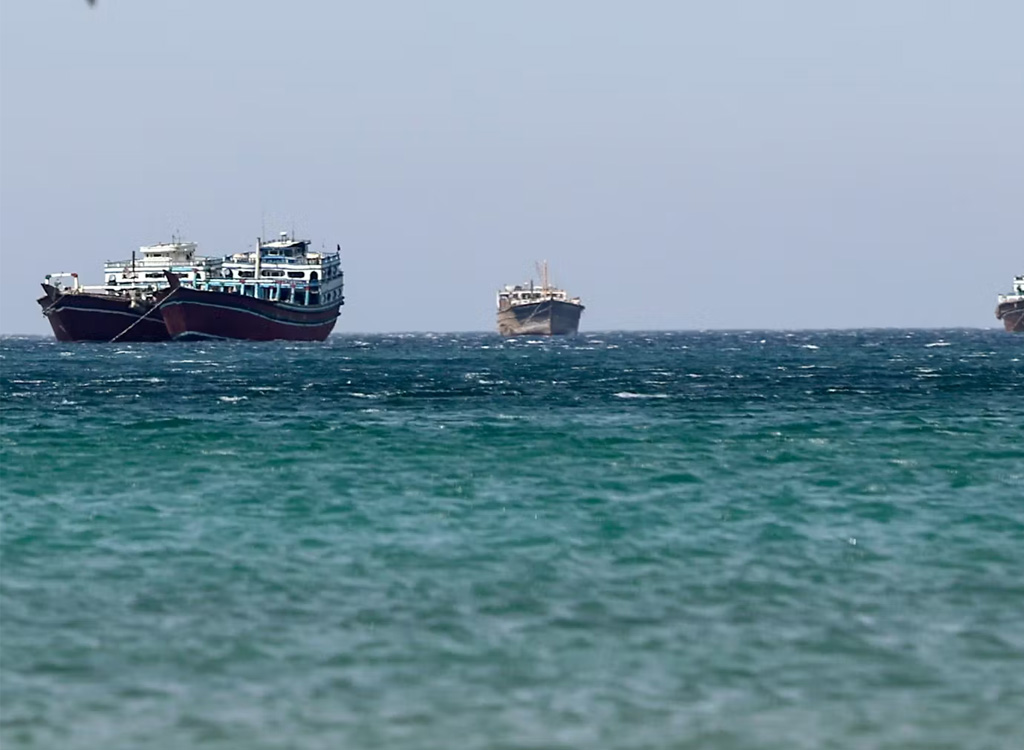
Iran’s announcement on Friday (17) that the critical maritime chokepoint is “completely open” to commercial traffic during the ongoing ceasefire marks a clear shift in tone. The statement by Foreign Minister Abbas Araghchi suggests a willingness, at least for now, to separate military confrontation from economic disruption. After weeks of tension and restricted passage, the move restores a vital artery through which a significant share of the world’s oil supply flows.
This development follows the implementation of a 10-day ceasefire between Israel and Lebanon, brokered by the United States. The timing is not accidental. Reopening the Strait serves as both a confidence-building measure and a signal that Tehran is prepared to engage in de-escalation — without necessarily giving up strategic leverage.
The economic impact was immediate. Oil markets, highly sensitive to disruptions in the Gulf, reacted sharply, with crude prices dropping nearly 10 percent within hours of the announcement. The easing of fears around a prolonged supply disruption brought relief to both major economies and import-dependent nations already struggling with inflation.
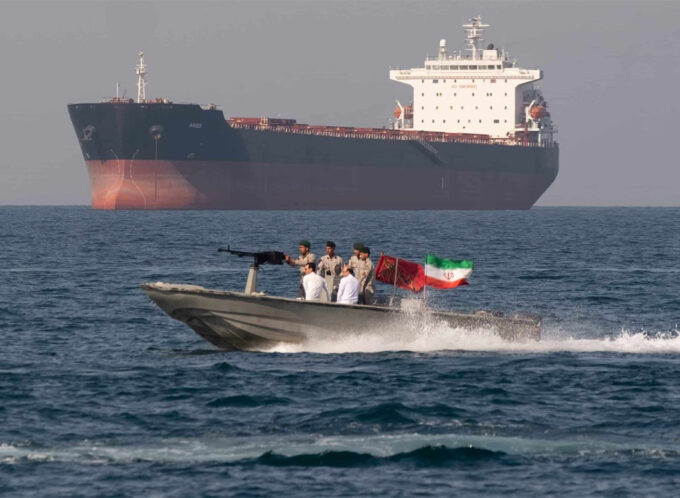
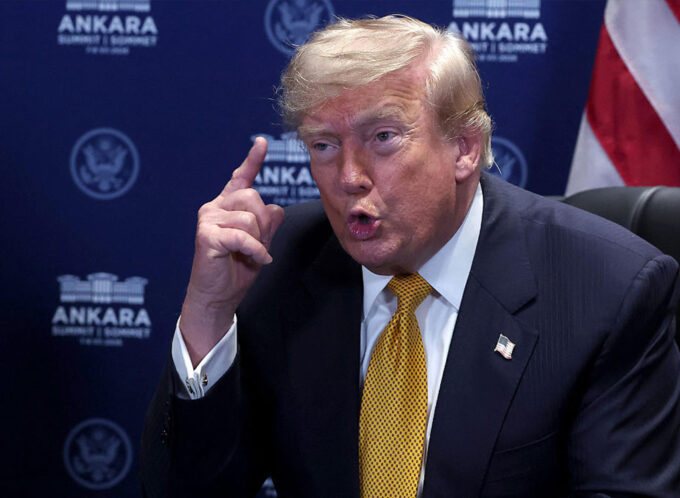
Political responses have been more measured. U.S. President Donald Trump welcomed the development, expressing cautious optimism about the region’s direction. At the same time, U.S. Defence Secretary Pete Hegseth confirmed that the American naval blockade of Iranian ports will remain in place, signaling that pressure on Tehran will continue despite the ceasefire.
This dual approach — economic easing alongside sustained military pressure — highlights the fragility of the moment. Iran’s decision to reopen Hormuz does not resolve the underlying conflict. Instead, it reflects a calculated effort to reduce global pressure while maintaining negotiating power.
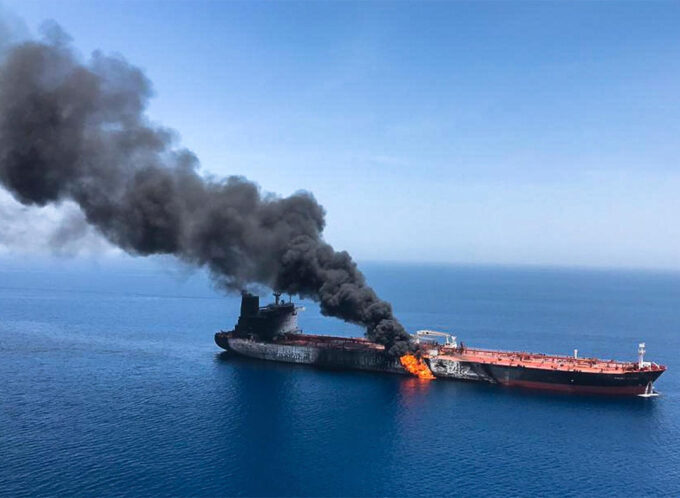
On the operational side, the reopening is already having tangible effects. Maritime authorities have begun coordinating the movement of vessels that were delayed or rerouted during the crisis, gradually restoring normal shipping flows through one of the world’s most critical energy corridors. However, for insurers and traders, the risks associated with the route are unlikely to disappear quickly.
Diplomatic attention is now shifting toward the so-called “Islamabad Talks,” as well as the possibility of high-level meetings in Washington. With the U.S.–Iran ceasefire — mediated by Pakistan — set to expire within days, the reopening of the Strait provides a narrow window for diplomacy to move beyond temporary arrangements.
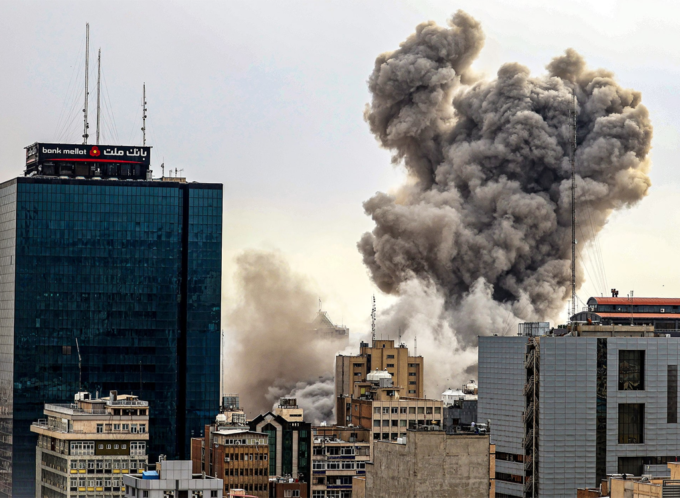
Still, caution is warranted. Ceasefires in the region have often proven short-lived, and the underlying tensions — strategic rivalry, regional alignments, and security concerns — remain unresolved.
In that sense, the reopening of the Strait of Hormuz is not a conclusion, but a pause. It signals that even in conflict, there are limits shaped by global economic realities. For now, oil is flowing, markets are stabilizing, and diplomacy has an opening. Whether that opening leads to lasting stability or another cycle of escalation will depend on what happens next.









Leave a comment