
By The Pulseline News Desk
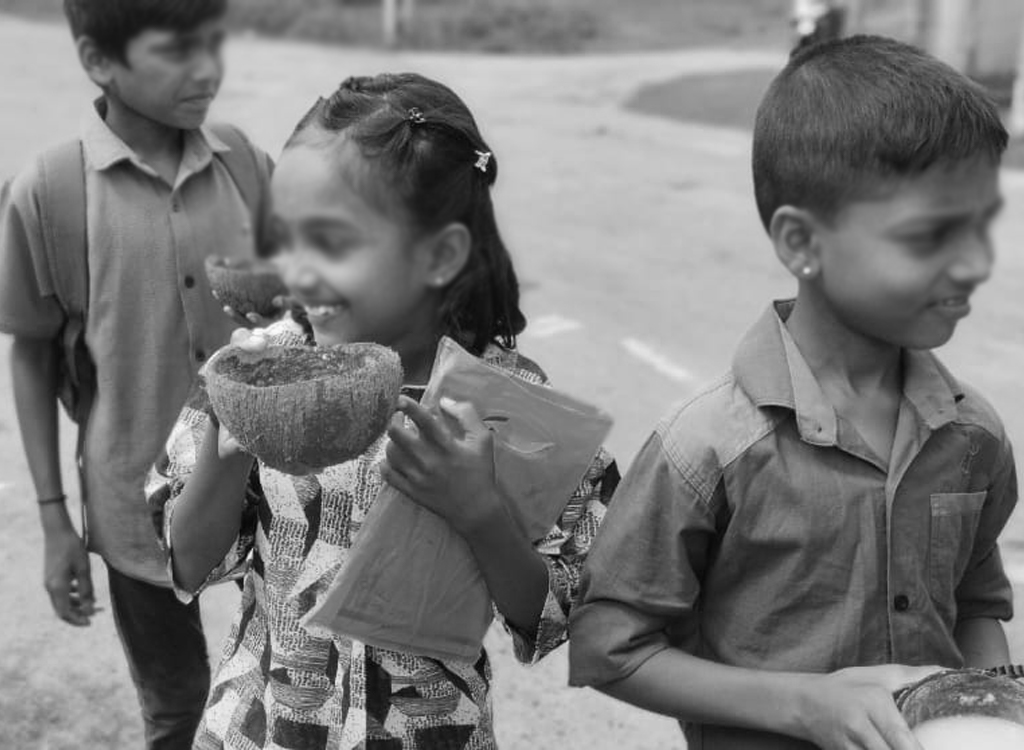
Along roadsides and church grounds in Sri Lanka’s war-scarred north, volunteers stirred large pots of thin rice porridge known as kanji, a simple meal that has become a potent symbol of Tamil remembrance nearly 17 years after the island’s civil war ended.
The porridge, commonly called Mullivaikkal kanji, is distributed annually during commemorations marking civilians killed in the final phase of fighting between Sri Lankan government forces and the Liberation Tigers of Tamil Eelam (LTTE) in May 2009.
For many survivors, the dish recalls the hunger and deprivation endured by civilians trapped in shrinking conflict zones during the war’s closing months.
“This porridge is significant, as it depicts the only meal civilians had during the final week of the war, while trapped in Mullivaikal,” a report on the annual observance noted.
The meal is intentionally austere, usually consisting of rice boiled in water with salt and sometimes coconut milk or lentils.
Across the Northern and Eastern provinces, cups of kanji are handed to mourners attending memorial events, religious services and candlelight vigils around May 18, the date many Tamils commemorate as Mullivaikkal Remembrance Day.
A Tamil publication, Tamil Guardian, described the porridge as “the only food available to Tamils trapped in the Sri Lankan government declared ‘No Fire Zones’” during the final stages of the conflict.
The annual ritual has evolved into both an act of mourning and a public expression of collective memory in communities still grappling with the legacy of war.
“We have to show the coming generation what we suffered as a nation,” an organiser was quoted as saying in the media during a recent remembrance initiative.
Sri Lanka’s civil war ended in May 2009 after nearly three decades of fighting that killed more than 100,000 people, according to United Nations estimates. The final offensive in Mullivaikkal remains one of the most contentious chapters of the conflict, with international rights groups and U.N. experts calling for accountability over allegations of wartime abuses.
Successive Sri Lankan governments have rejected accusations of deliberate attacks on civilians and defended the military campaign that defeated the LTTE.
In the years immediately after the war, Tamil groups and activists said remembrance events in the north often faced surveillance and restrictions by security forces. Although public commemorations have become more visible in recent years, tensions surrounding memorial events persist.
A coalition of Tamil organisations involved in remembrance activities in 2022 described Mullivaikkal kanji as “a symbol of an immense and painful tragedy.”
For younger generations born after the conflict, the annual preparation of kanji has also become a way families transmit memories of displacement, scarcity and survival.
As night falls in Mullivaikkal each May, volunteers continue ladling the final servings of porridge into paper cups – a ritual that, for many Tamils, remains inseparable from grief, resilience and remembrance.






Leave a comment