
By The Pulseline News Desk
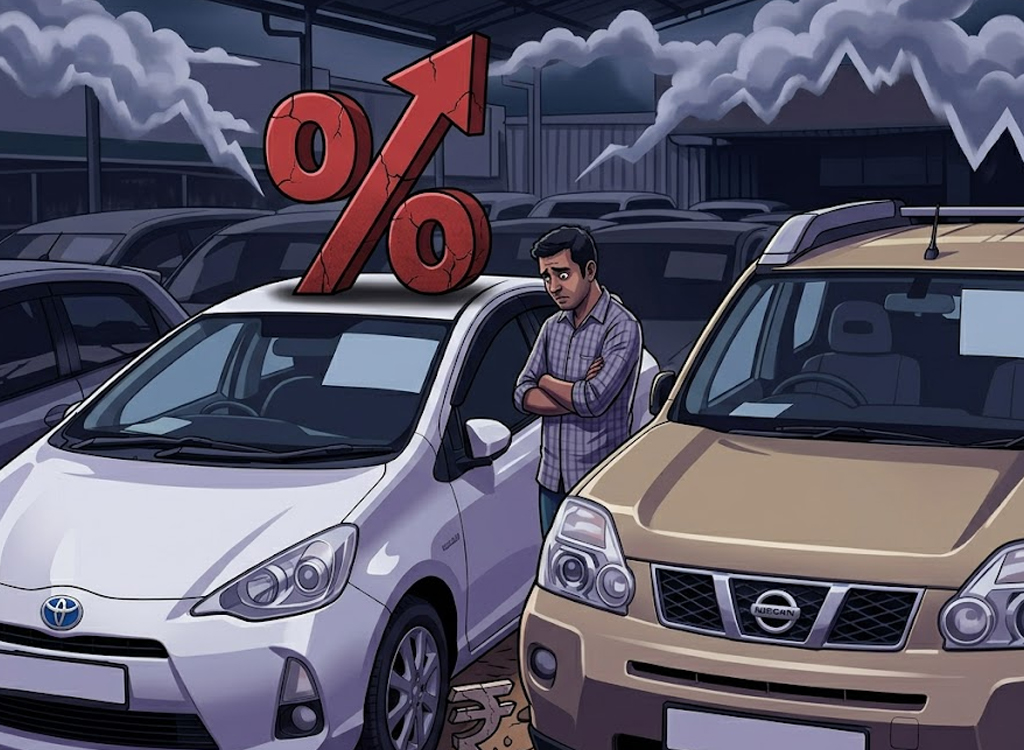
Sri Lanka’s latest move to impose a temporary surcharge on vehicle imports has sparked a sharp debate between government officials and the automobile industry, exposing the delicate balance policymakers are attempting to maintain between economic stability and market recovery.
While the government insists the measure is a short-term safeguard aimed at protecting foreign exchange reserves, vehicle importers warn that the policy will inevitably lead to steep price increases for consumers already struggling with rising living costs.
The controversy follows a gazette notification introducing a 50% surcharge on certain vehicle imports for a limited three-month period.
Pressure on reserves
Speaking on the issue, Deputy Finance Minister Dr. Anil Jayantha Fernando dismissed widespread claims that vehicle prices would surge by 150%, describing such reports as misleading and inaccurate.
“The message we are giving is simple: if you can postpone importing a vehicle for personal use, please do so. This is not a move intended to increase vehicle prices,” he said.
According to Fernando, the temporary surcharge is primarily designed to reduce pressure on Sri Lanka’s foreign exchange reserves at a time when the country is still navigating a fragile post-crisis recovery.
Sri Lanka only recently emerged from its worst economic collapse in decades, triggered by a severe shortage of foreign currency that led to fuel queues, soaring inflation, shortages of essential goods, and ultimately a sovereign debt default in 2022. Since then, the Government has implemented strict fiscal and monetary reforms under an IMF-supported recovery programme aimed at restoring macroeconomic stability.
Within that context, vehicle imports remain a particularly sensitive issue.
Prior to the economic crisis, vehicle imports accounted for a significant share of the country’s outflow of foreign currency. The suspension of imports during the crisis years drastically reduced demand for dollars but simultaneously created severe shortages in the domestic automobile market, causing vehicle prices to soar.
The reopening of imports earlier this year had raised hopes that supply conditions would gradually normalise. However, the latest surcharge has introduced fresh uncertainty into the sector.
Government officials maintain that the measure has been widely misunderstood. Dr. Jayantha clarified that existing taxes on vehicle imports already stand at approximately 130%, and the new mechanism does not represent a direct 150% increase in taxes or final vehicle prices.
He also stressed that vehicles imported under Letters of Credit (LCs) opened on or before May 15, 2026, would remain exempt from the surcharge, even if those vehicles arrive in Sri Lanka months later.
“The new tax structure only applies to LCs opened after May 15,” he said.
The government further noted that motorcycles, three-wheelers and commercial-use vehicles are excluded from the temporary measure, indicating that the policy is specifically aimed at limiting non-essential private vehicle imports rather than disrupting economic activity.
Significant price increases
However, the automobile industry has strongly challenged the government’s assurances.
The Vehicle Importers Association of Sri Lanka (VIASL) warned that the surcharge would significantly increase prices across the market, worsening affordability for consumers and placing additional strain on importers.
VIASL spokesperson Arosha Rodrigo said the new levy comes on top of already high customs duties and unfavourable exchange rate movements involving the US dollar and Japanese yen.
“Vehicle prices are rising at a rate that no one can afford. The new surcharge on top of this is unbearable for vehicle importers,” Rodrigo said.
According to the association, many vehicles could increase in price by between Rs. 1.5 million and Rs. 2.5 million depending on the model and category.
Industry representatives argue that regardless of the technical structure of the surcharge, consumers will ultimately face higher showroom prices because importers will be forced to absorb increased customs-related costs alongside currency pressures.
Currency volatility
Currency volatility remains another major concern for the market.
Sri Lanka’s vehicle sector relies heavily on imports from countries such as Japan, while international trade settlements are largely conducted in US dollars. Fluctuations in both currencies have already pushed up import costs in recent months, even before the latest surcharge was introduced.
Economists say the government is attempting to manage two competing priorities simultaneously: preserving foreign exchange reserves while sustaining confidence in the broader economic recovery.
On one hand, unrestricted vehicle imports could sharply increase demand for foreign currency and weaken reserve accumulation efforts. On the other hand, prolonged restrictions and rising prices risk dampening consumer confidence and slowing activity in industries connected to vehicle financing, leasing, insurance and transport services.
For many Sri Lankans, the debate extends beyond vehicle prices alone. It reflects broader anxieties about the country’s economic direction and the durability of its recovery.
Although inflation has eased and foreign reserves have shown signs of improvement compared to the height of the crisis, policymakers remain cautious about any developments that could destabilize the economy again.
The coming months are likely to determine whether the temporary surcharge succeeds as a targeted economic safeguard or becomes another burden on consumers and businesses attempting to rebuild after years of financial hardship.
For now, Sri Lanka’s vehicle market once again finds itself at the centre of the country’s broader struggle to balance recovery, stability and public confidence.












Leave a comment