
By The Pulseline News Desk
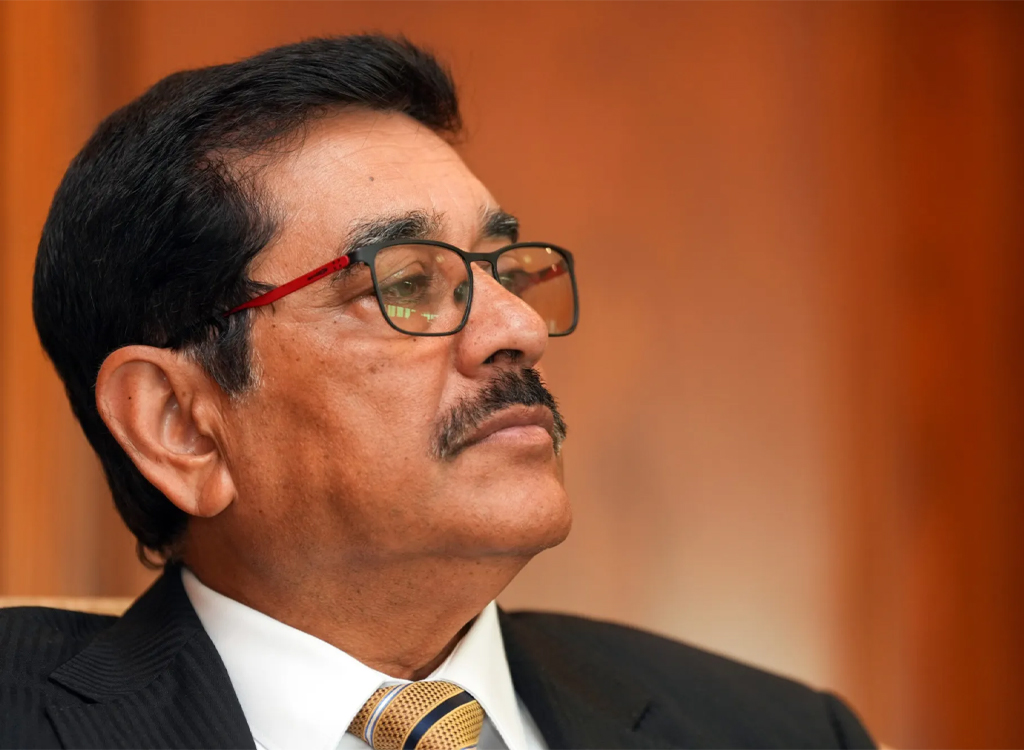
Sri Lanka cannot pursue extremely low inflation targets without sacrificing economic growth, Central Bank of Sri Lanka (CBSL) Governor P. Nandalal Weerasinghe has warned, underscoring the difficult balancing act facing policymakers as the country attempts to sustain its fragile economic recovery.
Speaking on the challenges of monetary policy management, the Governor has stated that countries must carefully balance inflation control with the need to support investment, production and employment growth.
According to Weerasinghe, maintaining inflation at excessively low levels may require tighter monetary policies that could slow economic activity, weaken demand and limit growth opportunities.
The remarks come at a crucial period for Sri Lanka’s economy, which is recovering from its worst financial crisis in modern history following a sovereign debt default, severe foreign exchange shortages and record inflation during 2022 and 2023.
Recovery after crisis
Sri Lanka’s economy suffered a dramatic collapse during the crisis years as foreign reserves depleted rapidly, leaving the country unable to finance essential imports including fuel, food and medicine.
Inflation surged to historic highs, with food and transport prices placing enormous pressure on households and businesses. At the peak of the crisis, inflation exceeded 70%, while the Sri Lankan rupee depreciated sharply against major foreign currencies.
In response, CBSL implemented aggressive monetary tightening measures, including steep interest rate increases aimed at stabilising prices and restoring confidence in the financial system.
Those policies, combined with fiscal reforms and support from the International Monetary Fund (IMF), helped bring inflation down significantly over the past two years. However, the sharp reduction in inflation also came alongside slower economic activity, weak consumer demand and reduced private sector borrowing.
It is within this context that the Governor’s latest comments highlight the policy dilemma now confronting the country.
The inflation-growth balance
Economists often describe inflation and growth management as a balancing exercise.
Moderate inflation is generally viewed as a natural feature of a growing economy because rising demand, investment and wages tend to increase prices gradually over time. However, excessively high inflation erodes purchasing power, destabilises markets and discourages investment.
On the other hand, maintaining inflation at extremely low levels may require restrictive monetary policies such as high interest rates and reduced liquidity, which can suppress economic expansion.
Governor Weerasinghe indicated that Sri Lanka must avoid pursuing inflation targets that are unrealistically low for an emerging economy still recovering from severe economic shocks.
Analysts observe that the Governor’s comments reflect broader global debates among central banks about how aggressively inflation should be controlled during periods of economic recovery.
For Sri Lanka, the challenge is particularly sensitive because policymakers must simultaneously:
- Stabilise prices,
- Rebuild foreign exchange reserves,
- Encourage private investment,
- Restore public confidence,
- Support job creation.
Pressure on businesses and consumers
Although inflation has declined sharply from crisis-era levels, many Sri Lankan households continue to experience high living costs.
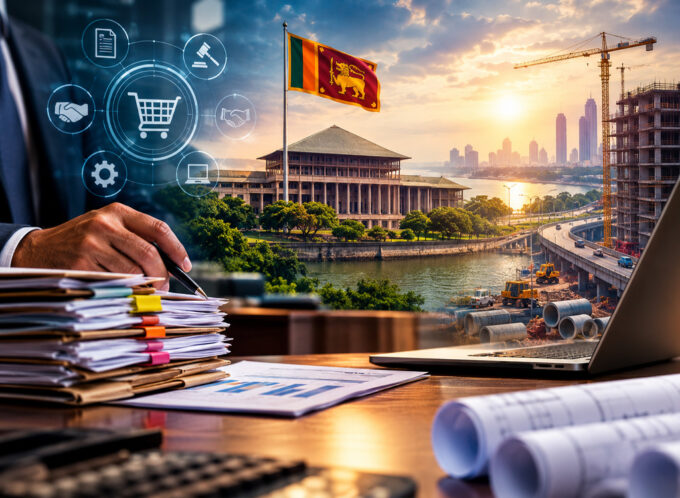
Businesses have also struggled under elevated borrowing costs introduced during the period of monetary tightening. High interest rates affected sectors ranging from construction and manufacturing to small and medium-sized enterprises, many of which faced reduced access to affordable credit.
As inflation moderates, pressure has been mounting on CBSL to gradually ease monetary conditions in order to stimulate economic growth.
However, economists caution that loosening policy too quickly could reignite inflationary pressures or weaken currency stability, particularly in an economy still vulnerable to external shocks and foreign exchange fluctuations.
IMF reforms and monetary discipline
Sri Lanka’s monetary policy direction remains closely linked to the country’s IMF-supported reform programme, which emphasises price stability, fiscal discipline and financial sector credibility.
CBSL has also moved toward a more independent and rules-based monetary framework following reforms introduced after the economic crisis.
Officials argue that maintaining credibility in inflation management is essential for restoring investor confidence and preventing a return to the instability experienced during the collapse.
At the same time, policymakers are increasingly aware that long-term recovery cannot rely solely on stabilisation measures.
Sustained economic growth will require stronger private sector activity, export expansion, infrastructure development and improved consumer confidence – all of which depend partly on access to affordable financing and stable economic conditions.
A delicate policy path
The Governor’s remarks underline the complexity of Sri Lanka’s current economic transition.
While the country has made visible progress in stabilising inflation and rebuilding reserves, the next phase of recovery may prove more challenging: generating meaningful growth without undermining the hard-won gains in economic stability.
For policymakers, the central question is no longer simply how to control inflation, but how to do so while allowing businesses, consumers and investors enough room to rebuild economic momentum.
As Sri Lanka navigates its post-crisis recovery, the balance between inflation control and growth is likely to remain one of the defining economic debates shaping the country’s future.










Leave a comment