
By The Pulseline News Desk
The Sri Lankan rupee has continued to weaken against the US dollar, raising fresh concerns over inflation, import costs, and the country’s broader economic recovery as pressure on the foreign exchange market intensifies once again.
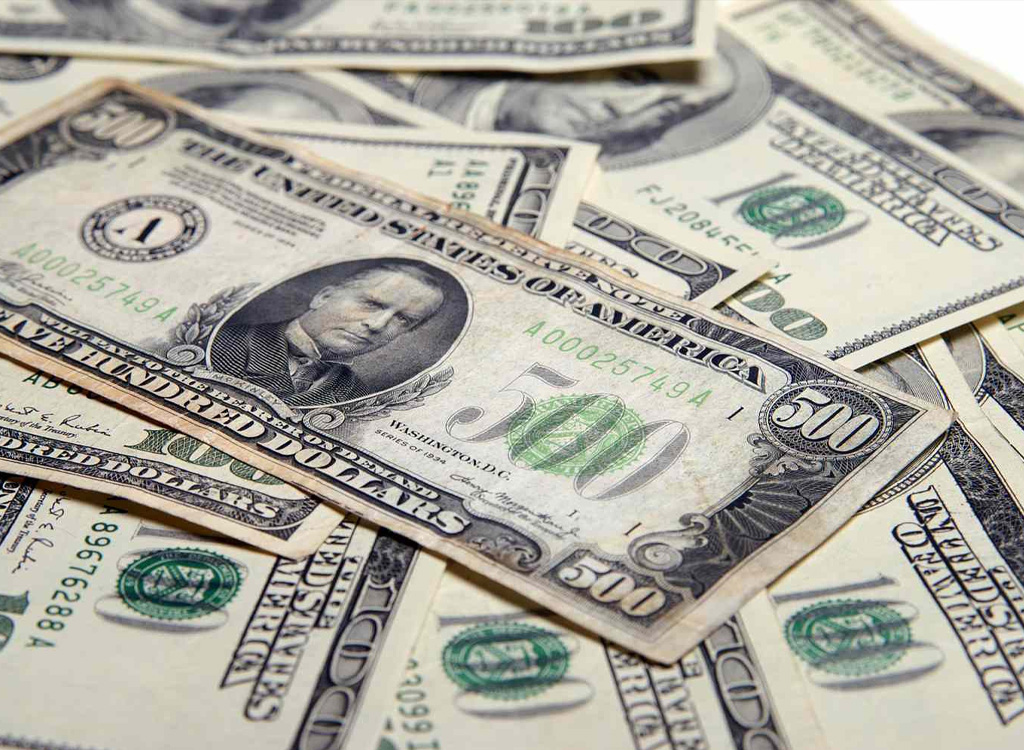
Recent exchange rate data released by the Central Bank of Sri Lanka (CBSL) showed the rupee depreciating steadily in recent weeks, with the US dollar trading above Rs. 320 in the local market and selling rates at some commercial banks moving beyond Rs. 325.
The decline marks a notable shift after months of relative currency stability that followed Sri Lanka’s economic crisis and subsequent International Monetary Fund (IMF)-backed reform programme. Economists say the latest depreciation reflects a combination of rising demand for dollars, pressure on foreign reserves, increased import activity, and uncertainty in global financial markets.
Financial analysts warn that the weakening rupee could once again place additional strain on households and businesses already coping with elevated living costs. Since Sri Lanka relies heavily on imports for fuel, medicine, food products, industrial materials, and consumer goods, a weaker currency typically results in higher prices across multiple sectors of the economy.
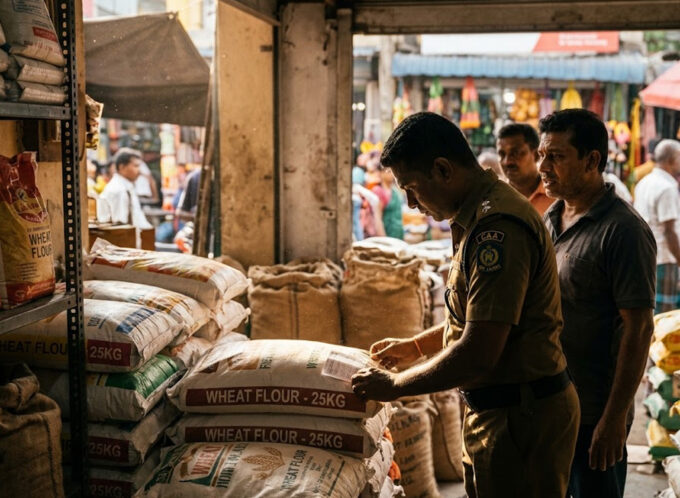
Importers have already begun reporting increased costs for essential commodities, while businesses dependent on foreign raw materials say profit margins are coming under renewed pressure. Economists caution that if the rupee continues to depreciate sharply, inflation could accelerate in the months ahead.
The currency pressure also comes at a sensitive moment for Sri Lanka’s post-crisis recovery. Although the country has shown signs of stabilisation through stronger tourism earnings, worker remittances, and debt restructuring progress, foreign exchange reserves remain vulnerable to external shocks and global market volatility.
Market observers say geopolitical tensions in the Middle East and uncertainty surrounding global oil prices have further strengthened demand for the US dollar internationally, placing additional pressure on emerging market currencies, including the Sri Lankan rupee.
Recent financial data also indicated that the CBSL became a net seller of US dollars in April for the first time in nearly two years, a development analysts interpret as a possible attempt to stabilize the local currency amid increased market pressure.
Despite the depreciation, government officials and financial authorities maintain that the country’s overall external position remains significantly stronger than during the height of the 2022 economic crisis. However, analysts stress that maintaining currency stability will depend heavily on continued foreign inflows, investor confidence, export growth, and disciplined fiscal management.
Businesses and consumers are now closely watching the direction of the exchange rate, amid fears that further rupee depreciation could increase the cost of living and slow the country’s fragile economic recovery.












Leave a comment