
By The Pulseline News Desk
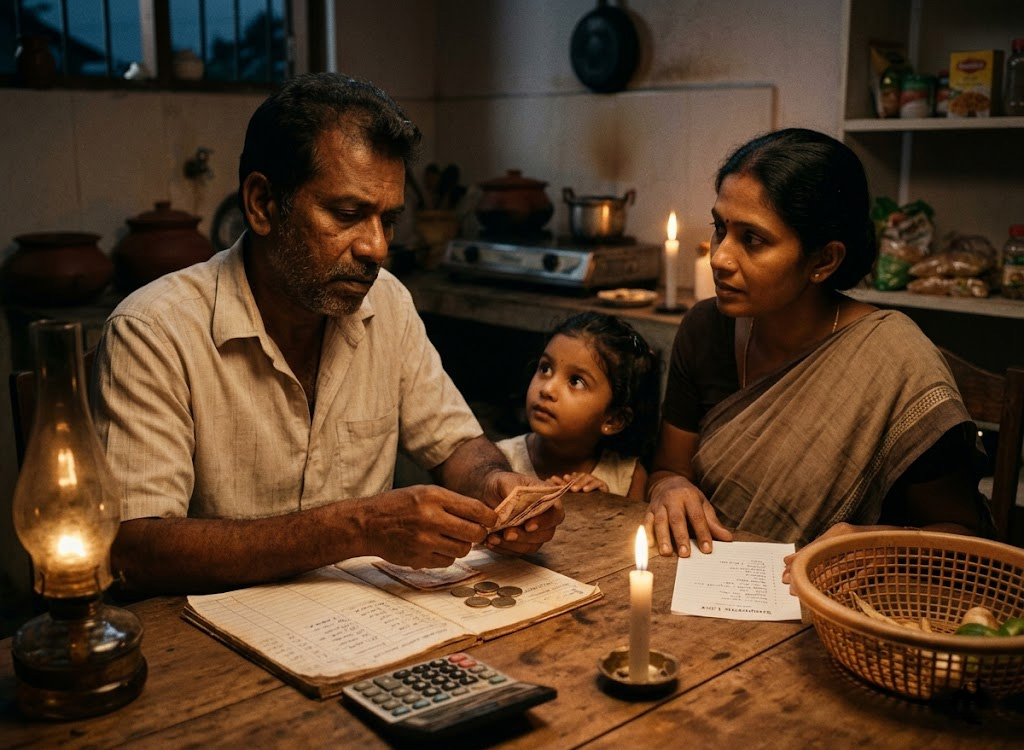
For millions of Sri Lankans, the challenge of making ends meet continues to define daily life as the cost of living remains elevated despite signs of economic stabilisation. The latest figures released by the Department of Census and Statistics (DCS) highlight the financial pressures facing households across the country, revealing that an individual now requires at least Rs. 17,117 per month to meet basic needs.
According to the Official Poverty Line for April 2026, the minimum monthly expenditure needed to satisfy essential food and non-food requirements has increased, reflecting ongoing inflationary pressures and regional price disparities.
The data shows significant variations across districts. Colombo recorded the highest poverty line at Rs. 18,461 per person per month, underscoring the higher cost of living in the country’s commercial capital. In contrast, Monaragala reported the lowest poverty line at Rs. 16,367, although residents there continue to grapple with lower income levels and limited economic opportunities.
The Official Poverty Line serves as a critical benchmark for measuring poverty and assessing the effectiveness of social welfare policies. It represents the minimum expenditure required for an individual to maintain a basic standard of living and is revised monthly to account for changes in prices and living costs.
While the difference between Colombo and Monaragala may appear modest on paper, economists note that it reflects broader disparities in housing costs, transportation expenses, access to services, and consumer prices. Urban households, particularly in the Western Province, often face substantially higher spending on rent, utilities, education, and healthcare.
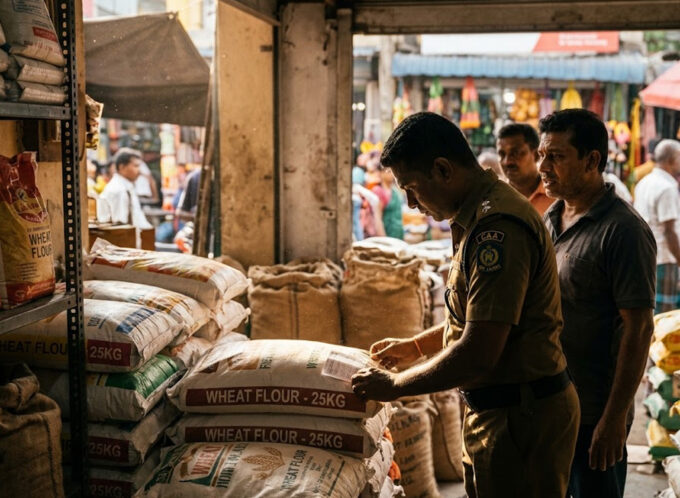
For many families, food remains the largest monthly expense. Although inflation has moderated compared to the peaks experienced during Sri Lanka’s economic crisis, prices of essential commodities remain considerably higher than they were just a few years ago. As a result, households continue to adjust their spending habits, often prioritising necessities while reducing discretionary expenses.
The poverty line figures are based on the Household Income and Expenditure Survey conducted in 2012/13 and have been updated using the National Consumer Price Index (NCPI) to reflect current price movements. DCS has also re-estimated district-level poverty lines to account for regional differences in the cost of goods and services.
Economic analysts argue that poverty measurements provide only part of the picture. Many households that earn slightly above the poverty line still struggle with rising living costs, debt repayments, and stagnant wage growth. This has given rise to concerns about the growing number of families living in a vulnerable economic position, where unexpected expenses or job losses could quickly push them into poverty.
The government has introduced various social protection programmes aimed at supporting low-income families, but experts stress that long-term solutions require sustained economic growth, job creation, and income expansion. Improving productivity, attracting investment, and ensuring affordable access to essential services remain key priorities.
As Sri Lanka continues its economic recovery journey, the latest poverty line figures serve as a reminder that macroeconomic improvements do not always translate immediately into relief for ordinary citizens. For many households, the monthly challenge remains the same: balancing limited incomes against the rising cost of everyday life.
The numbers released by DCS are more than statistical indicators. They reflect the realities faced by families across the country – parents stretching household budgets, workers coping with higher expenses, and communities striving for economic security in an increasingly costly environment.







Leave a comment