
By The Pulseline News Desk
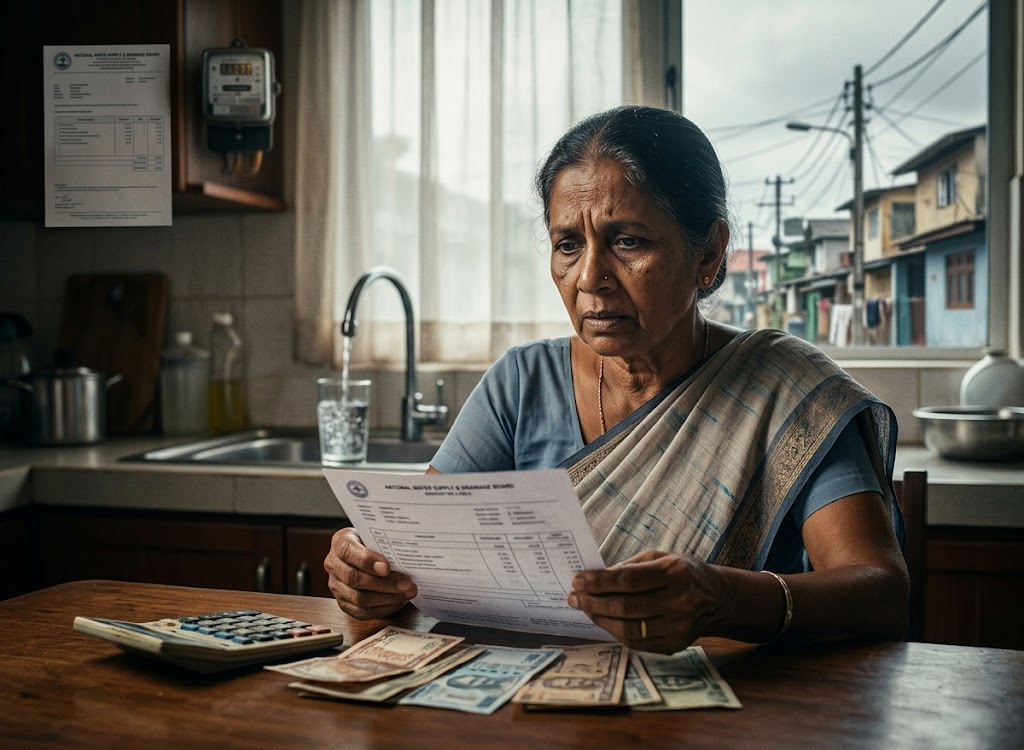
As households continue to navigate rising living costs, attention is now turning to another essential utility that could affect monthly budgets – water.
The government has announced that a final decision on whether to revise water tariffs will be made following a review scheduled for June 30, leaving consumers, businesses, and policymakers closely watching developments in the coming weeks.
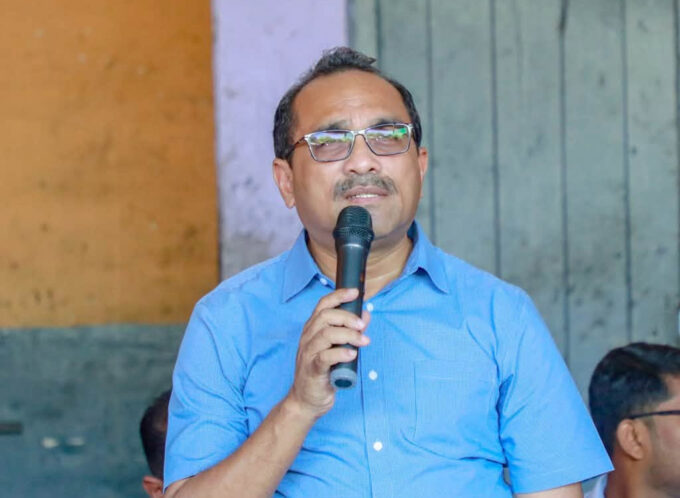
Housing, Construction and Water Supply Minister Susil Ranasinghe stated that the review will determine whether current water charges remain adequate or whether adjustments will be necessary to sustain the operations of the country’s water supply network.
The announcement comes at a time when many families are already grappling with increased expenses for food, transportation, education, and other necessities. Any potential increase in water charges could further impact household spending, particularly for low- and middle-income families.
Speaking to the media after a ceremony to hand over appointment letters to Management Assistant Officers of the National Water Supply and Drainage Board (NWSDB), the Minister emphasised that no decision has yet been made regarding a tariff revision.
Earlier, the Cabinet decided not to revise water tariffs during the first six months of the year. According to government assessments, the existing tariff structure has been sufficient to cover the operational costs of NWSDB during this period.
The decision provided temporary relief to consumers, many of whom have experienced significant financial pressure in recent years amid economic challenges and inflationary trends.
One factor being closely monitored is the impact of electricity costs on water production and distribution. Water treatment plants, pumping stations, and distribution systems rely heavily on electricity, making energy prices a key component of operational expenses.
Minister Ranasinghe acknowledged that recent increases in electricity tariffs could have some effect on water sector costs. However, he stressed that the impact is expected to be limited and not substantial enough to automatically trigger a major revision of water charges.
Industry experts note that utility pricing remains a delicate balancing act. Authorities must ensure that essential public services remain financially sustainable while also protecting consumers from excessive cost burdens.
NWSDB faces ongoing challenges, including maintaining infrastructure, expanding access to clean water, reducing system losses, and meeting growing demand from urban and rural communities alike. These responsibilities require significant investment and stable revenue streams.
Consumer groups, meanwhile, argue that any decision on tariffs should consider the broader economic conditions facing households. With many families still recovering from the effects of Sri Lanka’s recent economic crisis, affordability remains a major concern.
The June 30 review is expected to examine operational costs, revenue performance, electricity expenses, and broader economic indicators before a final determination is made.










Leave a comment