
By The Pulseline News Desk
Sri Lanka’s health authorities have warned that the country’s hospital system could come under severe pressure if the recent rise in dengue infections continues, underscoring renewed concerns over the spread of the mosquito-borne disease.
Health and Mass Media Minister Nalinda Jayatissa has cautioned that a sustained increase in patient numbers could challenge hospital capacity and affect the quality of care. Speaking at the Beruwala Regional Coordination Committee meeting, he has stressed that public cooperation remains the most critical factor in controlling the outbreak.
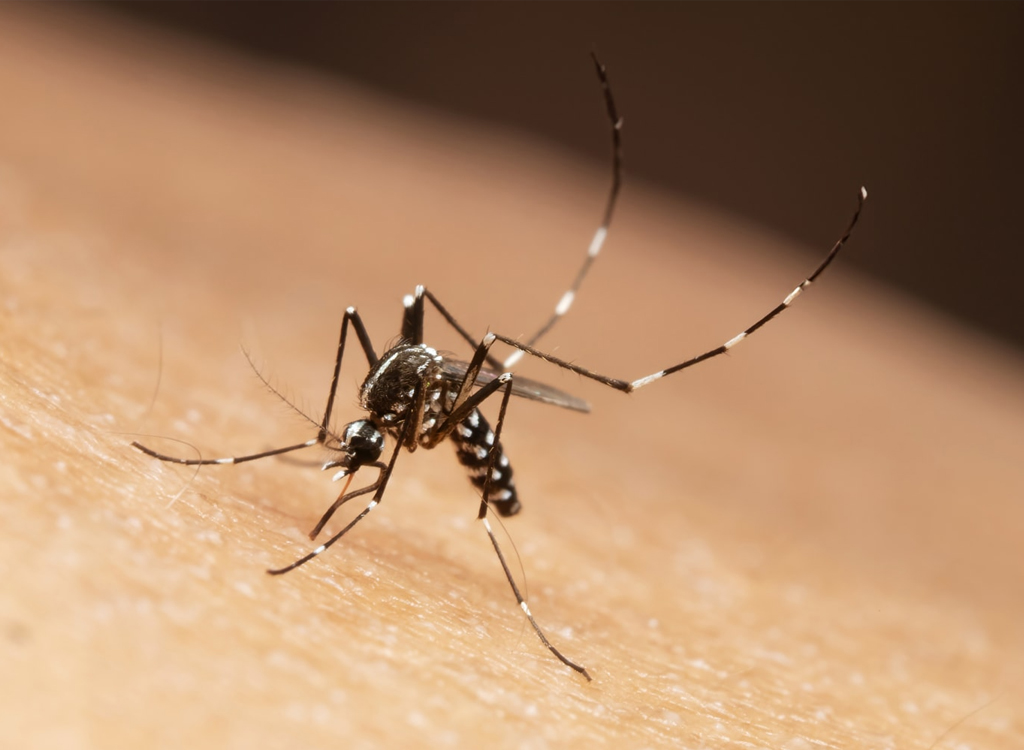
“The only short-term solution to controlling the increase in dengue patients is to destroy mosquito breeding grounds. All we have to do is keep our surroundings clean,” he has noted, urging households, government institutions, and public spaces to prioritise sanitation.
The Minister has added that while long-term health strategies are in place, immediate prevention through environmental cleanliness is essential to reduce infections and has warned that without swift action, hospitals could struggle to manage the growing caseload.
As part of a broader response, the Ministry of Public Administration and Home Affairs has established special dengue control committees at district and divisional levels. Officials say the bodies will not function in name only but will be actively involved in planning and implementing prevention programmes.
Minister Chandana Abayaratne has said the committees would carry out inspections of residential and public areas, enforce measures to eliminate mosquito breeding sites, and work closely with local authorities to maintain sustained prevention efforts.
Authorities have also called for weekly community clean-up efforts, urging citizens and institutions to dedicate 30 to 45 minutes each week to eliminating stagnant water and other breeding grounds.
“Our most important requirement at this moment is to prevent the disease rather than hospitalise and treat patients,” Abayaratne has said, highlighting the strain already being placed on health facilities.
At a meeting in the Puttalam District Secretariat, officials have reviewed the current situation, noting nearly 25 dengue-related deaths and a nationwide surge in cases. The discussion has underscored the urgency of coordinated action to contain what is increasingly being described as a growing public health threat.
With similar committees expected to be rolled out across all districts, authorities are banking on a combination of enforcement and community participation to prevent further escalation. However, health officials have warned that without sustained public engagement, the country’s hospitals could soon face significant operational pressure.












Leave a comment