
By The Puleline News Desk
A proposal to extend the retirement age of judges in the country’s higher courts has sparked renewed debate over judicial independence, court administration and the future direction of judicial reforms, with the Opposition demanding greater transparency from the Government on its intentions.
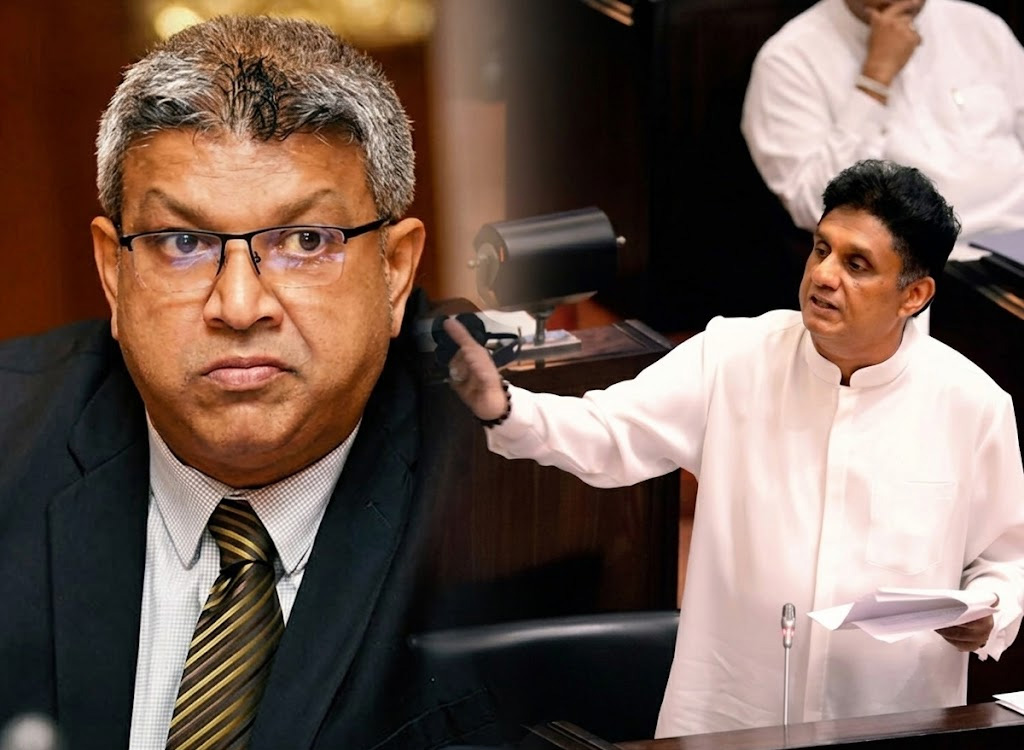
Raising the issue in Parliament under Standing Order 27(2), Opposition Leader Sajith Premadasa called on the Government to clarify whether it plans to increase the retirement age of judges serving in the Supreme Court and the Court of Appeal.
Describing the matter as one of national importance, Premadasa argued that any decision affecting the judiciary must be supported by official studies, policy assessments and consultations with relevant stakeholders. He questioned whether the Government had conducted any formal review to justify such a move and urged the Ministry of Justice to disclose its position on the issue.
The Opposition Leader also pointed out that the number of judges in the higher courts had already been increased under the 20th Constitutional Amendment, raising questions about the need for further extensions to judicial service periods.
Premadasa warned that extending retirement ages without a comprehensive plan could have wider implications for judicial independence and public confidence in the justice system. Referring to concerns previously expressed by the Bar Association of Sri Lanka (BASL), he said any changes to the judiciary should be approached with caution to avoid creating perceptions of political influence.
A key concern highlighted by the Opposition was the continued existence of vacancies in the higher courts. Premadasa noted that four positions in the Supreme Court and four in the Court of Appeal remain unfilled despite being vacant for several months. He argued that addressing these vacancies should take priority over discussions on extending retirement ages, particularly at a time when the judicial system is grappling with case backlogs, delays and resource constraints.
He further observed that several experienced judges had already retired while vacancies remained unfilled, raising concerns about the loss of institutional knowledge and expertise within the judiciary.
Justice Minister Harsha Nanayakkara sought to allay concerns by stating that no official Cabinet approval has been granted to increase the retirement age of judges. He stressed that no final decision has been taken on the matter.
The Minister explained that requests for retirement age extensions have been submitted by various professional groups across different sectors and that the Government is examining such proposals individually. While some requests may be reasonable, he noted that others appear to be politically motivated.
Nanayakkara maintained that discussions on the issue remain at a preliminary stage and that no formal policy has yet been adopted.
The parliamentary exchange has drawn attention to broader questions surrounding judicial reform and governance. Legal observers note that while extending retirement ages could help retain experienced judges, any such measure must be balanced against the need to ensure judicial independence, create opportunities for career progression within the judiciary and maintain public trust in the administration of justice.
As debate continues, the Government is likely to face increasing pressure to clarify its position on judicial appointments, address long-standing vacancies in the higher courts and outline any proposed reforms affecting the country’s judicial system.












Leave a comment