
By The Pulseline News Desk
Sri Lanka Cricket’s top leadership has decided to step down in a move that marks a significant turning point for the governance of the country’s most influential sport.
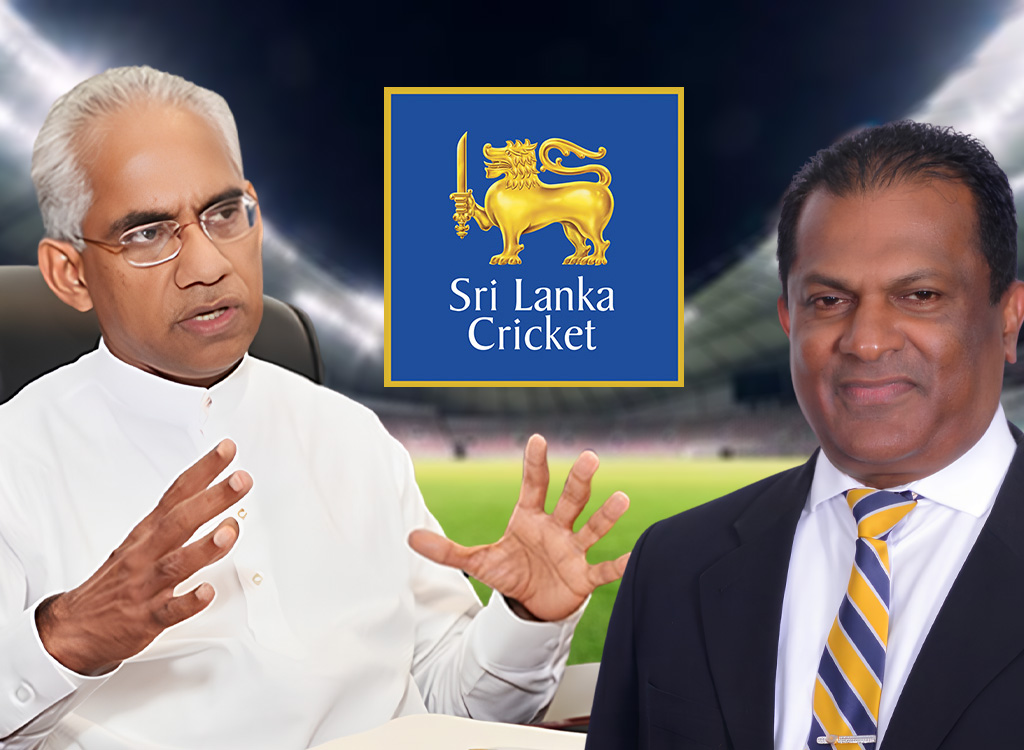
The Executive Committee of Sri Lanka Cricket, including its president Shammi Silva, has decided to resign at an Executive Committee meeting held yesterday (28), bringing to an abrupt pause an administration that has operated under sustained scrutiny in recent years.
The decision comes against a backdrop of mounting pressure on cricket administrators, driven by a mix of political intervention, governance concerns, and public dissatisfaction over transparency and accountability within the sport. Cricket in Sri Lanka has long been more than just a game – it is a national institution intertwined with politics, finance, and public identity. As such, leadership changes at the top of Sri Lanka Cricket often carry implications beyond the boundary ropes.
In recent years, tensions between sports authorities and government stakeholders have intensified, with calls for structural reform growing louder. Allegations of mismanagement, questions over financial practices, and disputes over administrative control have periodically surfaced, placing the Executive Committee under the spotlight. While not all claims have been substantiated, the cumulative effect has been to erode public trust and invite closer oversight.
The resignation of the committee, including Silva, can be seen as both a response to this pressure and an attempt to reset the governance framework of Sri Lankan cricket. Silva, who has been a dominant figure within the board, presided over a period that saw both on-field inconsistencies and off-field controversies. His tenure also coincided with interventions and warnings from international cricket authorities, particularly regarding the risk of political interference in the sport’s administration.
The shadow of the International Cricket Council (ICC) has loomed large in this context. Sri Lanka has previously faced sanctions and suspensions tied to governance issues, making the stability and independence of its cricket administration a matter of international concern. Any perception of undue external influence, particularly from the government, has the potential to trigger serious consequences, including isolation from global competition.
Domestically, the government has at times signaled its intent to reform cricket administration, citing the need for greater accountability. This has created a delicate balancing act: reforming governance structures without crossing the line into interference that could violate international cricket regulations.
The resignation of the Executive Committee may now open the door for an interim administration or a reconstituted governing body, depending on the legal and regulatory pathway chosen. Key questions remain over who will take charge in the immediate term, how new appointments will be made, and whether meaningful structural reforms will follow.
For players and fans, the immediate concern is stability. Sri Lanka’s national team has shown flashes of resurgence in recent years, and maintaining continuity in cricket operations will be crucial to sustaining that progress. Administrative uncertainty, if prolonged, risks undermining both performance and development pathways.
Ultimately, this moment represents an opportunity as much as a crisis. The departure of the existing leadership creates space for recalibration – of governance practices, institutional credibility, and the relationship between cricket and the state.
Whether Sri Lanka Cricket can emerge stronger from this transition will depend not just on who replaces those who have stepped down, but on whether the deeper structural issues that prompted this moment are finally addressed.
It is tipped that former minister and opposition politician, Eran Wickramaratne would be appointed to head Sri Lanka Cricket.
Long before he became known for his economic policy positions and parliamentary interventions, Wickramaratne was a cricketer shaped by discipline, structure, and the quiet demands of the game.
Wickramaratne had developed his game in an environment where cricket was as much about character as it was about competition. He was known as a technically sound batsman, typically occupying roles that required patience rather than flamboyance. He was not cast as a headline-grabbing aggressor but rather as a stabilising presence – someone capable of holding an innings together, reading conditions, and building partnerships. Those who followed school and club cricket during his playing days recall a cricketer who valued discipline over risk, preferring accumulation to spectacle.
After his school career, he continued to play at club level, where the standards of competition were significantly higher and the pathway to first-class recognition was fiercely contested. While he did not transition into a long-term professional cricket career at the national level, his involvement in the domestic game placed him within Sri Lanka’s broader cricketing ecosystem during a formative period for the sport.












Leave a comment