
By The Pulseline News Desk
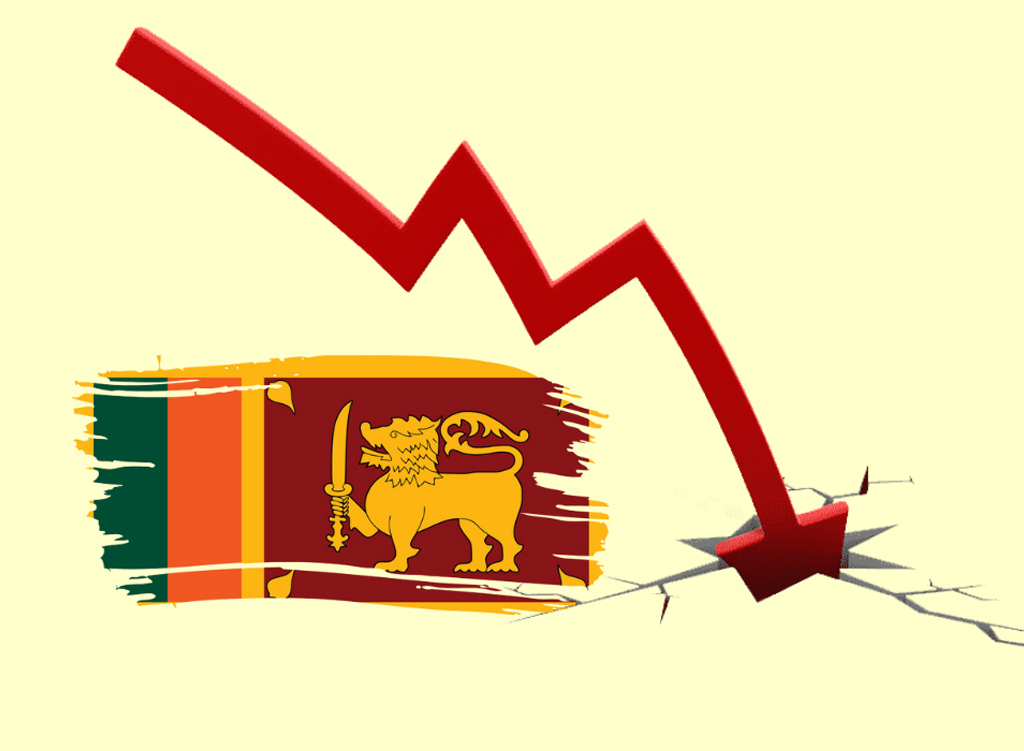
Sri Lanka risks slipping into a prolonged period of weak growth and renewed debt stress if post-restructuring reforms falter, with the Caribbean nation of Jamaica offering a cautionary example of how early fiscal gains can unravel without sustained policy discipline, a new report warns.
The analysis by First Capital Holdings says Sri Lanka has made meaningful progress under its ongoing debt restructuring programme, including a Domestic Debt Optimisation (DDO) exercise and initial fiscal consolidation measures supported by the International Monetary Fund (IMF).
However, it cautions that the country now stands at a “critical juncture,” where weak economic momentum could undermine debt sustainability gains and delay return to international capital markets.
The report, titled “Jamaica’s Debt Reckoning & Lessons for Sri Lanka,” draws parallels with Jamaica’s post-crisis restructuring in the 2010s, warning that reduced borrowing costs and maturity extensions alone may not be sufficient to secure long-term stability.
Jamaica’s warning
Jamaica implemented two major domestic debt restructurings between 2010 and 2013, beginning with the Jamaica Debt Exchange (JDX). While the initial operation had reduced debt servicing pressures, the report notes that it ultimately failed to restore long-term sustainability.
“Reduced rates and extended maturities did little to address Jamaica’s debt woes, especially given their lack of fiscal discipline and economic growth,” the report said, noting that by the end of 2012, Jamaica’s debt stock had again risen above pre-restructuring levels.
A second, more comprehensive restructuring – the National Debt Exchange (NDX) in 2013 – had eventually restored stability, but at the cost of what analysts describe as a “lost decade” of constrained public investment and subdued growth.
Sri Lanka’s structural differences
The report stresses that Sri Lanka’s situation is more complex than Jamaica’s, particularly due to its large external debt exposure rather than predominantly domestic obligations.
That distinction, it says, makes policy continuity and investor confidence even more critical as Sri Lanka transitions out of its IMF-supported adjustment programme.
While fiscal discipline has broadly been held under the current programme, the report warns that structural changes in public financial management could carry unintended consequences.
It points to proposed reforms under a Treasury Single Account (TSA) system, which would centralise government cash balances at the central bank.
At present, government funds parked in state banks help provide liquidity to the financial system, indirectly supporting private sector credit growth. A shift away from this structure, the report warns, could tighten liquidity conditions.
Growth versus discipline
The report outlines multiple possible trajectories for Sri Lanka’s post-restructuring path, with outcomes largely dependent on whether fiscal discipline is maintained alongside sustained private sector growth.
In an optimistic scenario, continued fiscal restraint combined with healthy credit expansion could allow the economy to grow steadily even as external debt repayments rise later in the decade.
A more concerning scenario, however, involves sluggish growth despite fiscal discipline, which could delay Sri Lanka’s return to international bond markets and weaken investor confidence.
“A slow growth scenario could in fact delay restoration of international confidence and Sri Lanka’s entry to the international bond market,” the report warned, adding that Sri Lanka “has much more to lose than Jamaica did after its second restructuring.”
Risks of policy reversal
The most severe risk scenario outlined in the report involves a reversal of fiscal discipline once the IMF programme concludes.
Such a shift, it argues, could rapidly undermine credibility, push borrowing costs higher and potentially trigger more complex debt instruments tied to governance or policy performance.
In that case, Sri Lanka could repeat the trajectory of Jamaica’s failed first restructuring phase, where insufficient reforms led to renewed debt accumulation and ultimately required a second, more painful intervention.
Outlook
Sri Lanka completed a landmark debt restructuring earlier this year as part of its recovery from the 2022 economic crisis, which led to sovereign default and acute shortages of foreign currency, fuel and essential imports.
While stability has improved since then, analysts say the next phase – sustaining growth while maintaining fiscal discipline – will determine whether the country secures a durable exit from crisis or risks returning to debt stress.
For now, the report suggests, Sri Lanka’s recovery remains balanced between reform progress and the risk of losing momentum.












Leave a comment