
By The Pulseline News Desk
Sri Lanka could soon face a significant new trade hurdle in its largest export market after the United States Trade Representative (USTR) proposed imposing an additional 12.5 percent tariff on imports from countries that have failed to prohibit goods produced with forced labour.
The proposal places Sri Lanka among 60 economies identified by the USTR as lacking adequate measures to prevent the importation of products linked to forced labour. If implemented, the new duty would apply on top of existing tariffs and could affect the competitiveness of Sri Lankan exports, particularly in the apparel sector, which relies heavily on access to the U.S. market.
According to the USTR, Sri Lanka neither imposes nor effectively enforces a prohibition on imports produced through forced labour. As a result, the country falls into the category facing the higher 12.5 percent tariff rate, alongside 53 other economies.
The proposed measures form part of a broader U.S. effort to tighten global supply chain standards and address what Washington describes as unfair trade practices that disadvantage American workers and businesses.
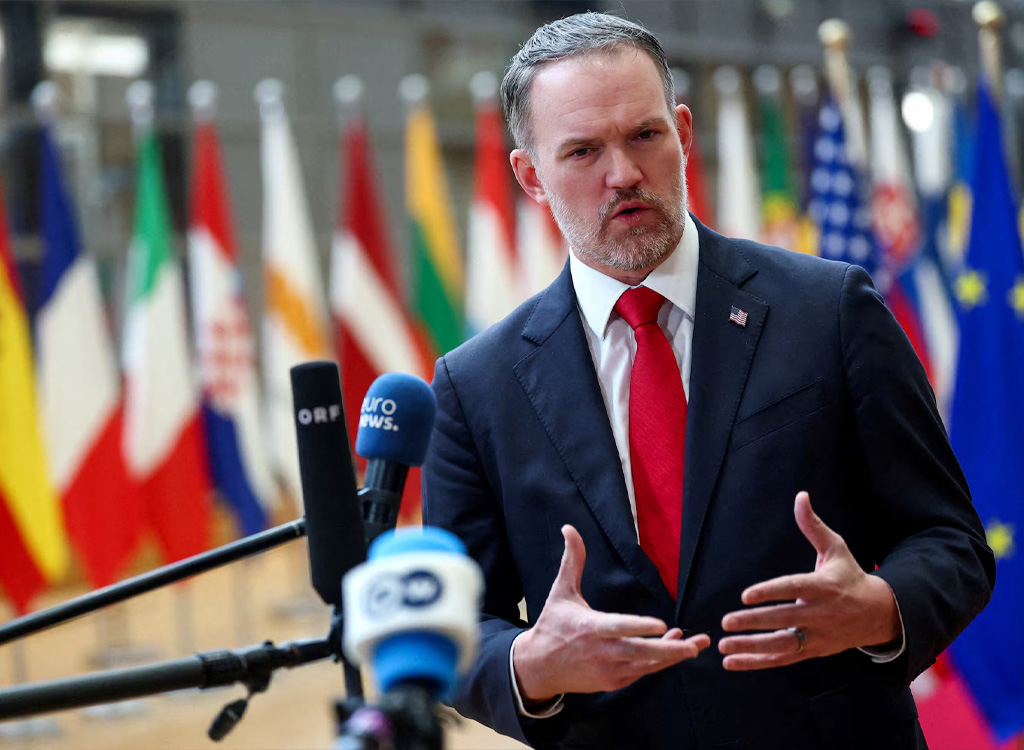
“Failure by our trading partners to address forced labour imports creates a dynamic where American workers are forced to compete globally on an uneven playing field,” USTR Jamieson Greer said while announcing the proposals. “The United States will no longer tolerate this disparity.”
Potential impact on Sri Lankan exports
The development comes at a sensitive time for Sri Lanka’s export sector, which is striving to sustain growth amid global economic uncertainty. The U.S. remains Sri Lanka’s single largest export destination, accounting for a substantial share of apparel shipments and generating billions of dollars in export earnings annually.
Industry analysts warn that an additional tariff burden could erode the price advantage enjoyed by Sri Lankan exporters, particularly in labour-intensive sectors such as garments, textiles, and manufacturing.
Although the USTR has proposed a special textile mechanism that would allow limited apparel and textile imports at reduced tariff rates, details of the scheme remain unclear. Exporters are expected to closely monitor the consultation process to determine whether Sri Lanka’s apparel industry could benefit from any exemptions or preferential treatment.
The apparel sector, often promoted internationally for its ethical manufacturing standards under initiatives such as “Garments Without Guilt,” may find itself under increased scrutiny despite the country’s strong record in factory-level labour compliance. The U.S. proposal, however, focuses on import controls against forced labour products entering Sri Lanka rather than labour conditions within Sri Lankan factories themselves.
A global trade issue
Sri Lanka is not alone in facing the proposed penalties. The USTR’s list includes several of the world’s largest economies and major U.S. trading partners, including China, India, Japan, South Korea, the United Kingdom, Australia, Brazil, South Africa, Canada, Mexico, and the European Union.
Of the 60 economies named, 54 were found to have failed to establish prohibitions on imports produced through forced labour. Six others — Canada, Mexico, Pakistan, Indonesia, Ecuador, and the European Union — were cited for failing to effectively enforce existing legal frameworks.
The breadth of the list highlights the growing emphasis being placed on supply chain transparency and labour rights in international trade policy. In recent years, concerns over forced labour have increasingly shaped trade negotiations, customs enforcement actions, and market access requirements in major economies.
Policy questions for Colombo
The USTR proposal is likely to trigger debate within Sri Lanka about whether existing trade and customs laws are sufficient to meet evolving international standards.
Trade experts note that many countries have introduced specific legal mechanisms allowing customs authorities to block imports suspected of being produced through forced labour. Sri Lanka currently lacks a comprehensive framework comparable to those adopted in the U.S. and several Western economies.
Failure to address these concerns could expose exporters to additional costs while potentially affecting Sri Lanka’s reputation in global supply chains.
At the same time, policymakers will need to weigh the administrative and economic implications of introducing new compliance regimes, particularly as the country seeks to attract foreign investment and expand export-oriented industries.
Consultation process underway
The proposed tariffs, however, are not yet final. The USTR has opened a public consultation process, with written submissions due by July 6 and public hearings scheduled for July 7, 2026. Requests to appear at the hearings must be submitted by June 22.
The consultation period provides an opportunity for governments, businesses, industry groups, and labour organisations to present evidence and arguments before the United States decides whether to proceed with the measures.
For Sri Lanka, the coming weeks may prove critical. As exporters assess the potential economic impact, attention is likely to turn to whether Colombo can demonstrate progress on forced labour import controls – or risk facing higher barriers in one of its most important overseas markets.









Leave a comment