
By The Pulseline News Desk
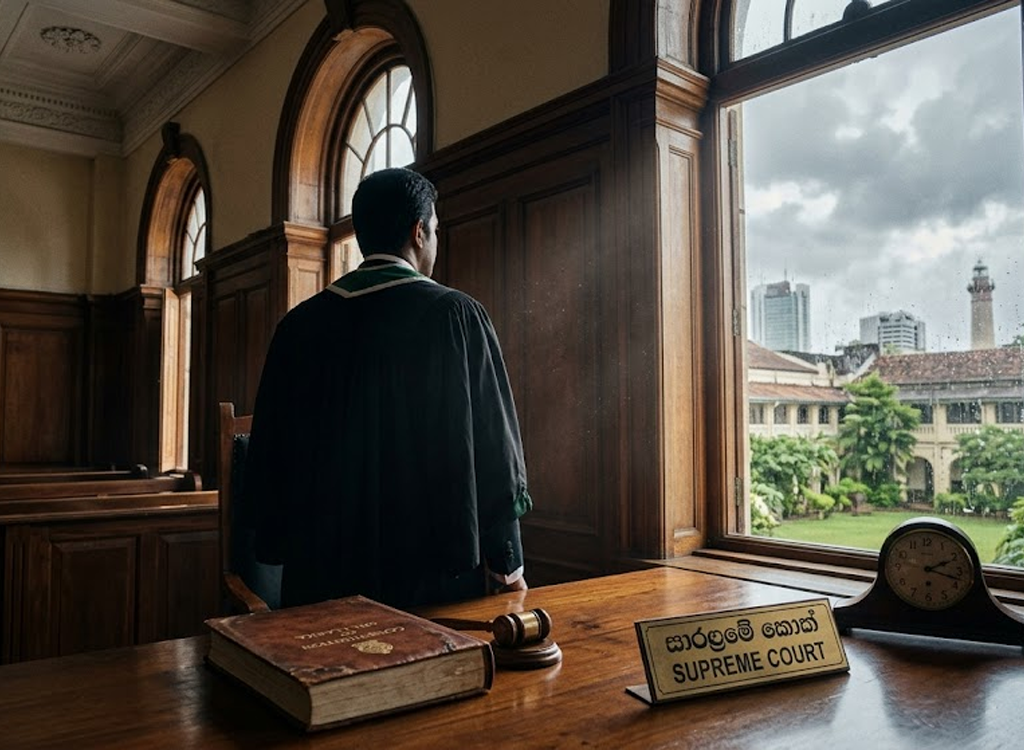
The Government is reportedly planning to introduce a maximum six-year term for the office of the Chief Justice as part of its proposed constitutional amendment to increase the retirement age of judges, in a significant reform that would alter how long the country’s top judicial office can be held.
The proposal, now being finalised ahead of its presentation to Parliament, would mean that while the retirement age for judges is set to increase by two years, no Chief Justice would be permitted to remain in office beyond six years in the post, even if he or she has not reached the mandatory retirement age.
The move comes amid continued opposition from sections of the legal community over the Government’s plan to extend the retirement age of judges, with the Bar Association of Sri Lanka (BASL) seeking a meeting with President Anura Kumara Dissanayake to discuss its concerns.
Six-year cap for Chief Justice
According to senior Government sources quoted by the media, the proposed constitutional amendment will increase the retirement age of Supreme Court judges from 65 to 67 years, while judges of the Court of Appeal will retire at 65 instead of 63.
The retirement age of other judges will also be increased by two years.
However, the amendment is also expected to introduce a new provision limiting the tenure of the Chief Justice to a maximum of six years.
If enacted, the provision would require a Chief Justice to vacate office upon completing six years in the position, regardless of whether the retirement age has been reached.
The proposal marks a significant departure from the existing framework, under which a Chief Justice remains in office until reaching the constitutionally prescribed retirement age unless he or she resigns or is removed through the constitutional process.
Bill expected next month
A senior Government source has noted that the proposed amendments have already been forwarded to the Legal Draftsman’s Department after receiving policy approval and are awaiting clearance from the Attorney General before being presented to Parliament.
The Government expects to place the Bill on Parliament’s Order Paper by early next month.
As a constitutional amendment affecting the judiciary, the legislation will be open to challenges before the Supreme Court after it is gazetted.
Following the court’s determination, the Government hopes to secure parliamentary approval before presenting the 2027 Budget in November.
“We hope to complete the process before the presentation of the budget,” the source has noted.
Legal community remains concerned
The Government’s latest proposal comes against the backdrop of sustained opposition from the BASL and several senior legal figures, who have argued that extending judicial retirement ages could have implications for judicial independence, promotions within the judiciary and public confidence in the administration of justice.
Although Justice Minister Harshana Nanayakkara recently met representatives of the BASL to discuss the proposed reforms, the Association has also requested a meeting with President Dissanayake. However, no meeting had been scheduled as yet.
The BASL has previously urged the Government to reconsider the proposed retirement age extension, arguing that any constitutional reforms affecting the judiciary should be undertaken only after broad consultation with the legal profession and other stakeholders.
With the Government now pressing ahead with drafting the amendment — and adding a new term limit for the Chief Justice — the debate over the future structure and independence of Sri Lanka’s higher judiciary is expected to intensify when the legislation reaches Parliament.













Leave a comment