
By The Pulseline News Desk
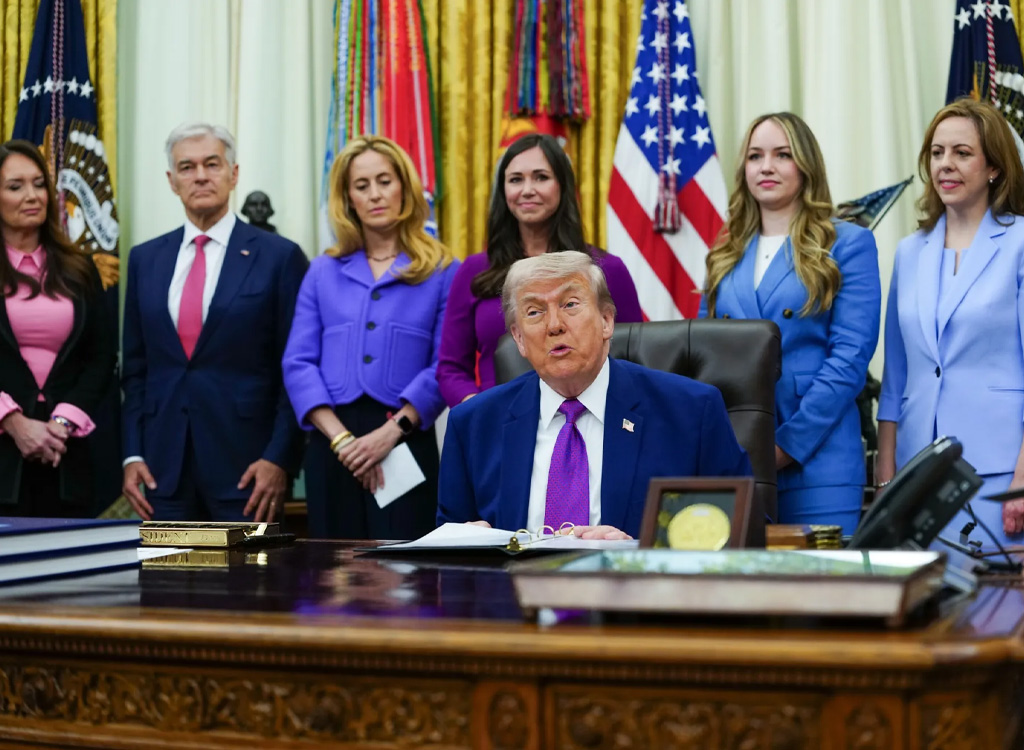
US President Donald Trump has warned that the fragile ceasefire between the US and Iran is now on “massive life support,” highlighting growing uncertainty over the future of negotiations and raising fears of renewed tensions in the Middle East.
Speaking during remarks at the White House, Trump described the current state of the truce as extremely fragile, saying prospects for a lasting agreement had weakened significantly after Washington rejected Iran’s latest proposals aimed at easing the crisis. The president’s comments reflected mounting frustration within the US administration over stalled diplomatic efforts and continuing disagreements with Tehran over key security and economic issues.
The ceasefire, which had temporarily reduced tensions between the two countries following weeks of military escalation, now appears increasingly unstable as both sides remain divided on several major demands. Iranian officials have reportedly sought sanctions relief, economic guarantees, and recognition of their strategic interests in the Gulf region, while the US continues to insist on tighter restrictions related to Iran’s nuclear activities and regional military influence.
Analysts say the sharp rhetoric from Washington DC signals that negotiations have entered a critical phase. Trump’s remarks have fueled concerns among international observers that the fragile pause in hostilities could collapse if diplomatic progress remains limited.
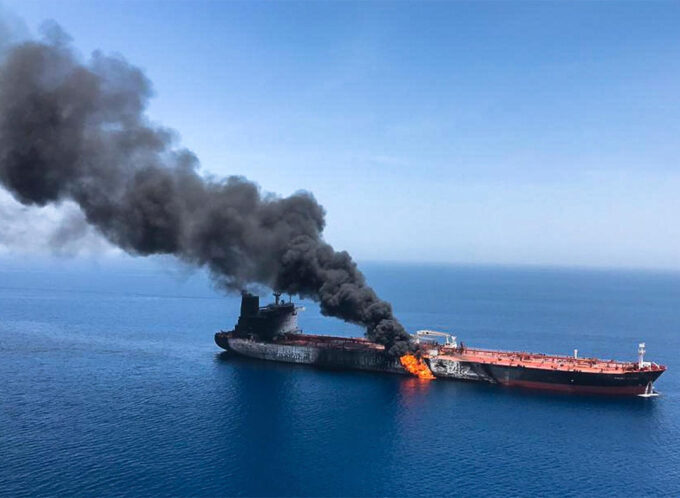
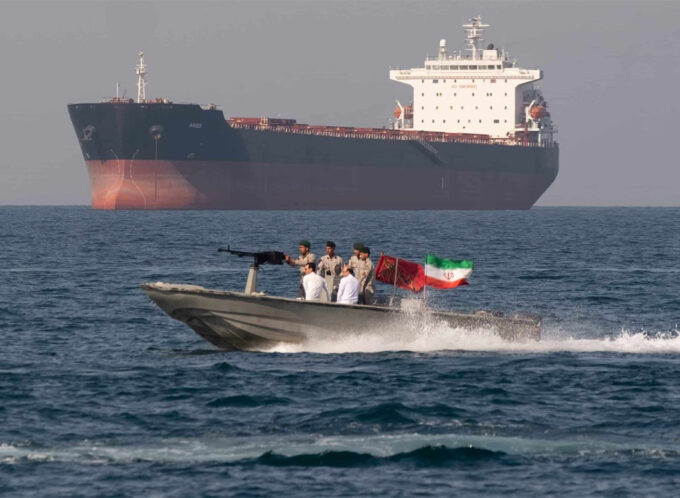
The Strait of Hormuz remains at the center of the dispute. The narrow waterway, through which a significant portion of the world’s oil supply passes, has long been a focal point of tensions between Iran and the United States. Any renewed confrontation in the area could have major implications for global energy markets and international shipping routes.
Energy traders have already reacted cautiously to the latest developments, with fears of potential disruptions in Gulf oil supplies contributing to renewed volatility in oil prices. Shipping companies and insurers operating in the region are also closely monitoring the situation amid concerns over maritime security.
Iranian officials have defended their negotiating position, insisting that Tehran’s proposals are necessary to protect the country’s economic and national security interests. Iranian political leaders have also warned that the country is prepared to respond firmly to any renewed military pressure or external threats.
Meanwhile, diplomatic observers note that broader geopolitical tensions are complicating efforts to stabilize the situation. China, one of Iran’s key economic partners and a major buyer of Iranian oil, continues to play an important role in the regional balance. Gulf Arab states have also expressed concern that a breakdown of the ceasefire could trigger wider instability across the Middle East.
Despite the increasingly tense atmosphere, both Washington and Tehran have indicated that communication channels remain open. However, analysts caution that mutual distrust, conflicting strategic objectives, and domestic political pressures on both sides continue to limit the prospects for a quick resolution.
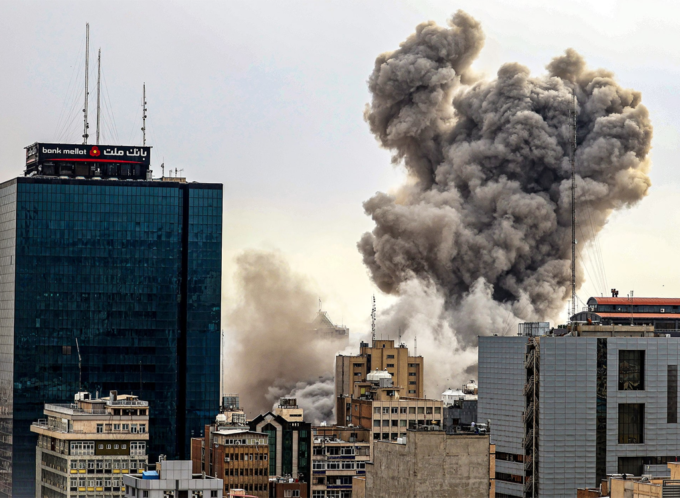
Security experts warn that a complete collapse of the ceasefire could carry serious consequences beyond the region, affecting global oil markets, trade flows, and international diplomatic relations at a time when geopolitical tensions are already elevated worldwide.
For now, the ceasefire remains in place, but Trump’s warning that it is on “massive life support” has underscored the fragile nature of the current situation and the uncertainty surrounding the next phase of US-Iran relations.
(With input from news agencies)









Leave a comment