
By The Pulseline News Desk
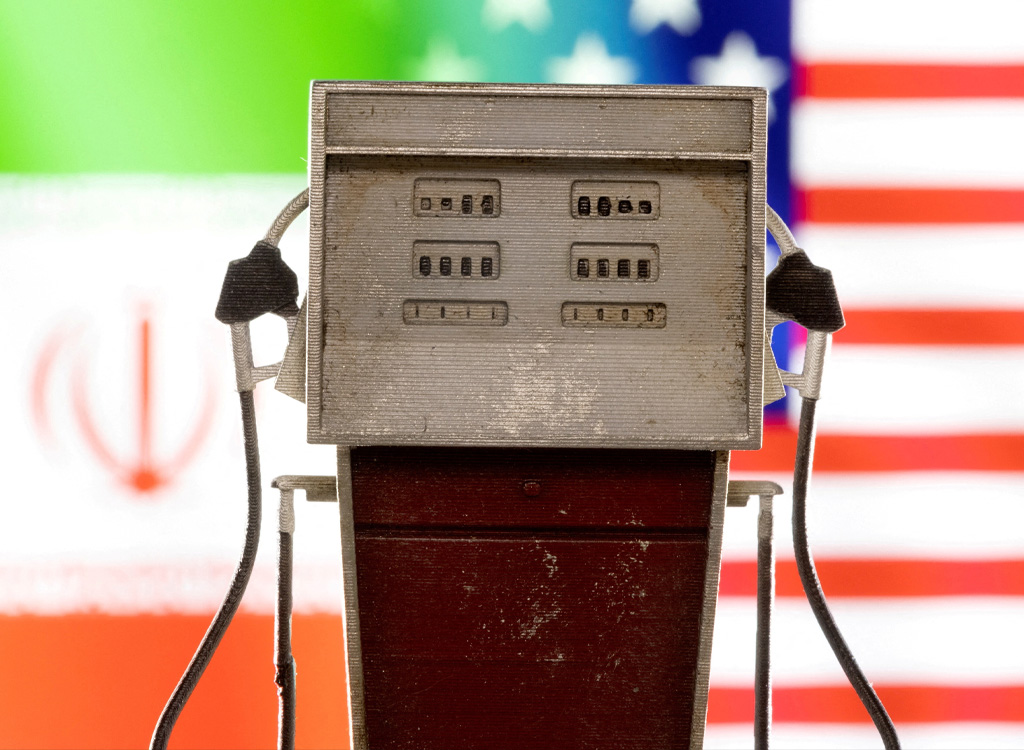
The United States (US) has announced a fresh round of sanctions targeting individuals and companies accused of helping Iran ship oil to China, marking another escalation in Washington DC’s campaign to curb Tehran’s energy exports and disrupt sanctions evasion networks.
The new measures, imposed by the US Treasury Department, target several firms and individuals allegedly involved in facilitating Iranian crude oil sales through complex shipping and financial arrangements. According to US officials, the network operated across multiple jurisdictions, including Hong Kong, the United Arab Emirates (UAE, and Oman, enabling Iranian oil to continue reaching Chinese buyers despite existing sanctions.
Washington maintains that revenues generated from Iran’s oil exports are being used to support regional militant groups, military operations, and weapons development programs. US authorities say the latest sanctions are aimed at cutting off these financial flows while increasing pressure on entities assisting Tehran in bypassing international restrictions.
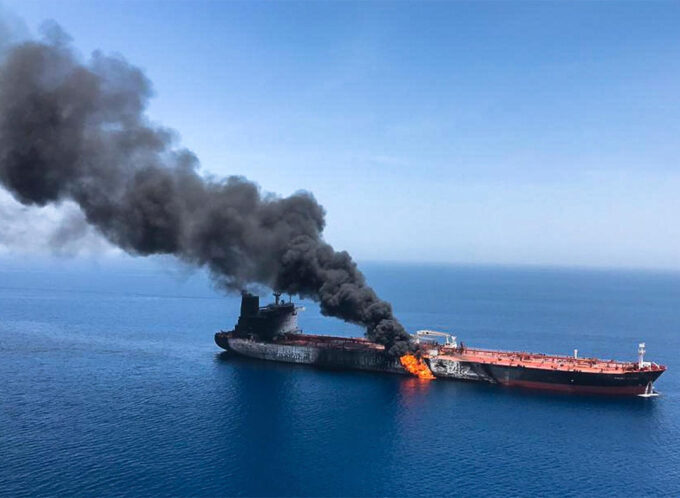
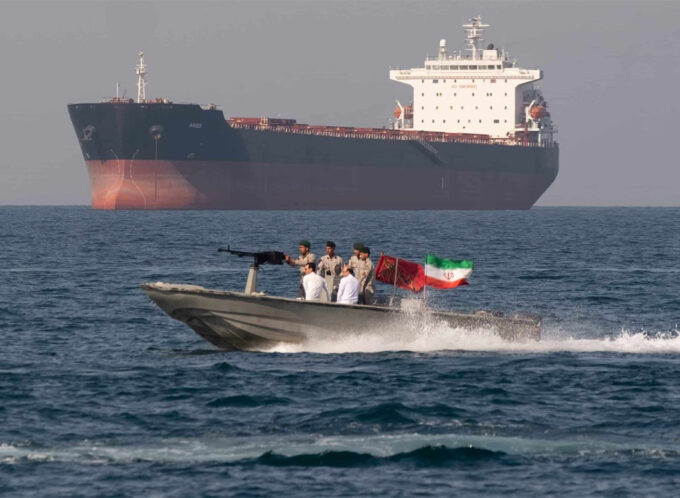
The sanctions are part of a broader strategy by the US to intensify economic pressure on Iran’s energy sector. In recent months, the US has expanded restrictions on oil tankers, shipping operators, and Chinese refineries suspected of participating in what officials describe as Iran’s “shadow fleet” operations – a system involving covert shipping practices designed to conceal the origin of crude oil cargoes.
Industry analysts say China has emerged as the primary destination for Iranian crude, particularly through independent refineries attracted by heavily discounted oil prices. Despite Western sanctions, Chinese demand has provided Iran with a crucial source of foreign exchange earnings during a period of continued economic strain.
Experts note that Iran has developed increasingly sophisticated methods to evade sanctions. These include ship-to-ship transfers at sea, falsified shipping documentation, the use of shell companies, and reflagging vessels under different national registries. Such tactics have made it difficult for international regulators to fully enforce restrictions on Iranian oil exports.
The latest sanctions also add to growing tensions between Washington and Beijing. The US has repeatedly warned Chinese businesses and financial institutions against involvement in Iranian oil transactions, while China has criticized unilateral sanctions and defended its right to secure energy imports based on national economic interests.
Observers say the timing of the sanctions is significant, coming amid broader geopolitical friction between the two global powers over trade, technology, and regional security issues. The measures are expected to further complicate diplomatic relations between Washington and Beijing, particularly as both countries navigate wider economic and strategic rivalries.
Financial analysts warn that the tightening sanctions regime could create additional uncertainty in global energy markets. Shipping companies, insurers, and banks involved in oil trade transactions may face heightened compliance risks as US authorities expand scrutiny of maritime and financial networks connected to Iran.
At the same time, market experts believe completely halting Iranian oil exports will remain a major challenge. Strong Chinese demand for lower-cost crude and Iran’s evolving sanctions evasion strategies have enabled Tehran to maintain a significant level of exports despite years of economic restrictions.
The renewed sanctions demonstrate Washington’s continued reliance on economic measures to isolate Iran and limit its regional influence. However, analysts caution that while the restrictions may increase operational costs and financial pressure on Tehran, they are unlikely to fully dismantle the trade networks that have allowed Iranian oil to continue flowing into Asian markets.
As geopolitical tensions intensify, the latest US action signals that sanctions enforcement will remain a central element of American foreign policy toward Iran, even as global energy markets continue adjusting to shifting political and economic realities.
(With input from news agencies)










Leave a comment