
By The Pulseline News Desk
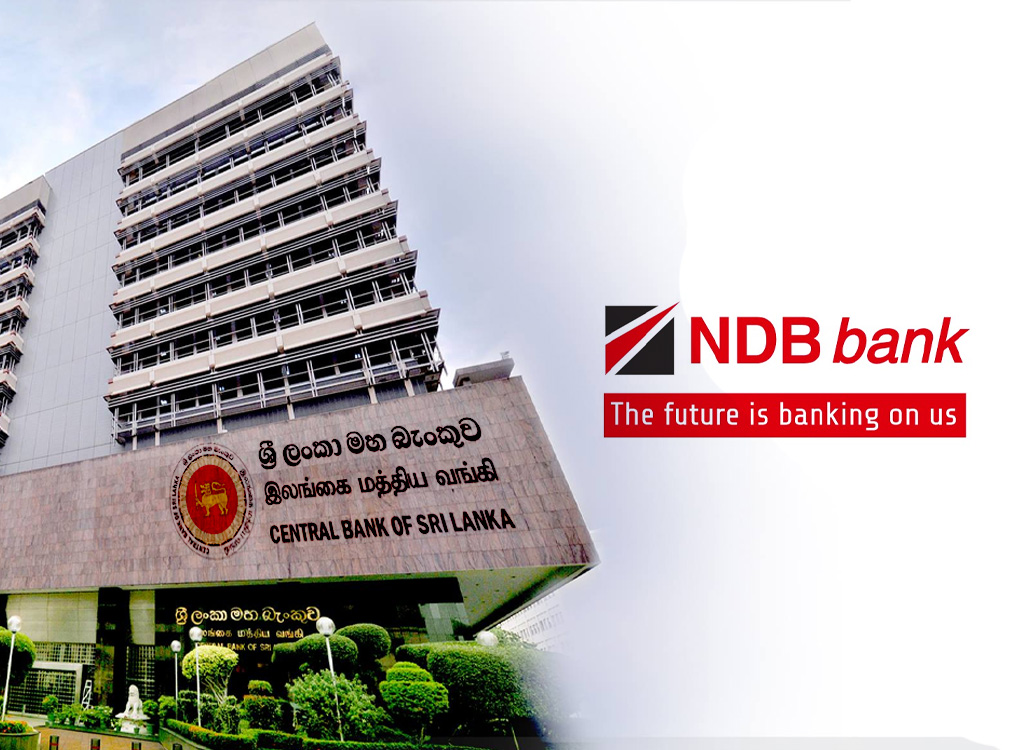
Sri Lanka’s parliamentary oversight of the financial sector came under renewed focus this week after the Committee on Public Finance (COPF) raised serious concerns with the Central Bank of Sri Lanka (CBSL) over alleged fraud at National Development Bank (NDB) and what lawmakers described as troubling weaknesses in internal audit and regulatory oversight mechanisms.
The issue surfaced during a recent COPF session where officials from the CBSL were questioned about the effectiveness of banking supervision, internal compliance systems and the response to allegations of financial misconduct within one of Sri Lanka’s major private sector banks.
The discussion has once again highlighted growing scrutiny over governance standards in Sri Lanka’s financial sector at a time when public confidence in state institutions and regulatory systems remains fragile following the country’s economic crisis.
Questions over oversight
Members of COPF reportedly sought explanations from CBSL officials regarding how alleged fraudulent activities at NDB had remained undetected and whether warning signs had been missed by both internal auditors and external regulators.
Lawmakers also questioned whether existing supervisory structures were adequate to identify irregular transactions, compliance breaches and governance failures before they escalated into larger financial risks.
Particular concern was directed at the effectiveness of internal audit divisions within commercial banks – systems intended to function as the first line of institutional accountability.
Committee members reportedly emphasised that internal audit mechanisms should not operate merely as procedural formalities but as independent safeguards capable of detecting operational abuse, financial misconduct and management failures at an early stage.
Broader concerns in the banking sector
The controversy comes amid increasing pressure on Sri Lanka’s banking and financial institutions to strengthen transparency and governance after years of economic instability, debt restructuring and public criticism over weak regulatory enforcement.
Sri Lanka’s financial sector faced extraordinary strain during the economic collapse of 2022, when foreign reserve shortages, currency depreciation and sovereign default created severe pressure across the banking system.
Although the banking sector largely avoided systemic collapse, analysts have repeatedly warned that weaknesses in governance, political influence and internal controls remain unresolved vulnerabilities.
Financial sector observers say the latest concerns raised before COPF reflect broader anxieties about whether institutional oversight systems are sufficiently modernised to manage increasingly complex financial operations and fraud risks.
CBSL under pressure
The CBSL has, in recent years, attempted to strengthen regulatory standards through tighter compliance requirements, risk-based supervision and governance reforms for licensed banks and financial institutions.
However, parliamentarians have continued to express concern over delays in enforcement action and whether regulators respond aggressively enough when irregularities emerge.
The COPF inquiry reflects Parliament’s expanding role in examining not only state finances but also the effectiveness of financial governance and institutional accountability across the wider economy.
Several legislators reportedly questioned whether the CBSL had conducted adequate follow-up reviews into the alleged irregularities at NDB and whether sufficient disciplinary or corrective action had been initiated.
Internal audits in the spotlight
The debate has also revived wider questions about the role of internal auditors in Sri Lanka’s corporate sector.
Experts note that internal audit divisions are expected to function independently from operational management and act as an early warning system against fraud, corruption and compliance failures.
However, governance specialists have long argued that in many institutions across South Asia, internal audit units often face structural limitations, management interference or inadequate authority.
The concerns raised before COPF suggest lawmakers are increasingly unwilling to treat internal audit failures as isolated corporate issues, particularly when they affect institutions tied closely to public financial stability.
Public trust and financial governance
The issue carries significance beyond a single bank investigation.
Following Sri Lanka’s economic crisis, public trust in financial and regulatory institutions remains deeply sensitive. Allegations of fraud or weak oversight within major financial institutions risk reinforcing public perceptions that accountability mechanisms remain inconsistent or ineffective.
Analysts say parliamentary scrutiny of banking governance is likely to intensify in the coming months as lawmakers seek greater transparency from regulators and financial institutions navigating the country’s fragile economic recovery.
While no findings of criminal liability have yet been publicly established in relation to the allegations discussed before COPF, the committee’s intervention signals growing political pressure for stronger regulatory enforcement and institutional accountability within Sri Lanka’s financial system.













Leave a comment