
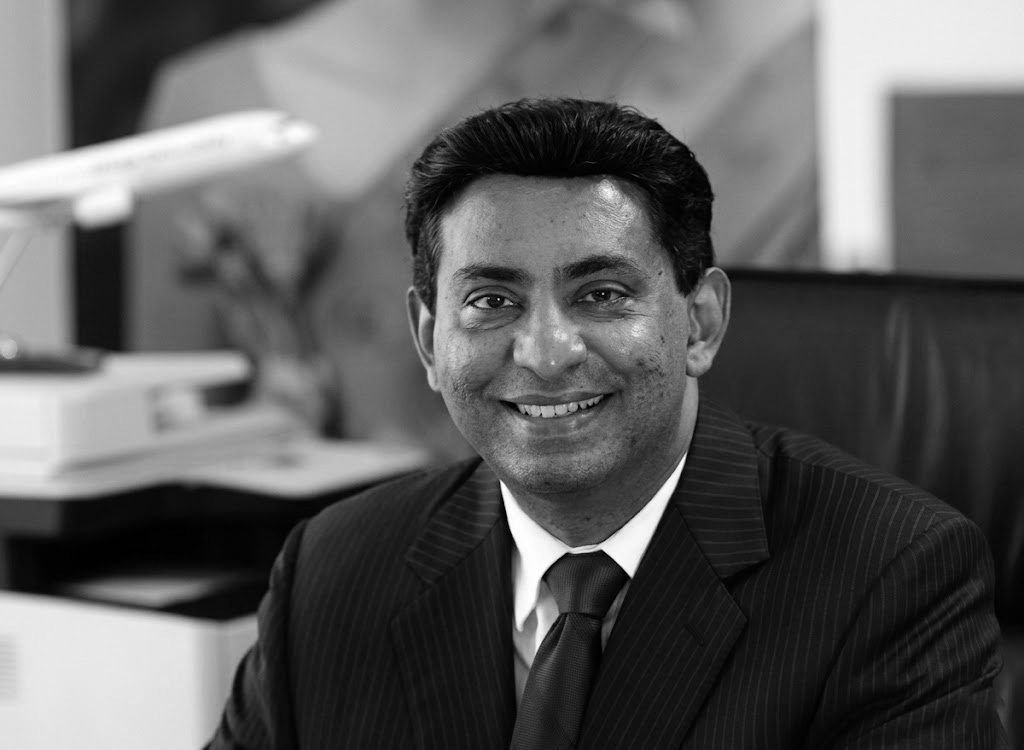
By The Pulseline News Desk
The death of former SriLankan Airlines Chief Executive Officer Kapila Chandrasena has triggered a fresh political and public debate over one of Sri Lanka’s most closely watched corruption investigations – the Airbus bribery case – with anti-corruption advocates warning of a major setback to accountability efforts while political figures claim the former airline executive was subjected to severe pressure during the legal process.
The controversy intensified after the Transparency International Sri Lanka (TISL) said Chandrasena’s death could significantly affect efforts to establish accountability in the long-running Airbus corruption scandal involving aircraft purchases by the national carrier.
At the same time, opposition and nationalist political figures used the moment to criticize investigators and the criminal justice system, arguing Chandrasena had endured prolonged intimidation, reputational destruction and harsh legal conditions before his death.
Shaking Sri Lanka’s political establishment
The Airbus investigation emerged from a wider international corruption probe conducted by British, French and American authorities into allegations that the European aircraft manufacturer used intermediaries and bribes to secure airline contracts across multiple countries.
Sri Lanka became one of the countries drawn into the scandal after British court documents alleged that bribes amounting to millions of dollars had been paid in connection with aircraft purchases by SriLankan Airlines.
In 2020, the UK’s Serious Fraud Office revealed details suggesting that funds had allegedly been transferred to accounts linked to Chandrasena and his wife in relation to aircraft procurement deals during his tenure at the airline.
Sri Lankan authorities later filed indictments against Chandrasena and his wife over alleged corruption and money laundering offences connected to the deal. Both denied wrongdoing.
The case quickly evolved beyond a financial crime investigation into a politically charged national issue, touching successive governments, state institutions and questions over how public resources were managed during years of heavy borrowing and controversial infrastructure spending.
TISL warns of accountability risks
Following news of Chandrasena’s death, TISL said the development represented a serious setback to ongoing anti-corruption efforts and highlighted longstanding weaknesses in Sri Lanka’s ability to prosecute complex financial crimes.
The organisation stressed that major corruption investigations should not depend solely on a single accused individual and urged authorities to continue pursuing accountability through documentary evidence, financial records and institutional investigations.
Anti-corruption advocates argue that Sri Lanka has repeatedly struggled to secure convictions in high-profile financial crime cases involving politically connected individuals, often due to delays, procedural weaknesses and shifting political priorities.
For reform advocates, the Airbus case had symbolized a rare opportunity for Sri Lanka to demonstrate that large-scale corruption allegations involving elite figures could be pursued through the courts.
Namal alleges intimidation
Meanwhile, opposition member of parliament (MP) Namal Rajapaksa claimed Chandrasena had been subjected to sustained intimidation by investigators and legal authorities during the course of the case.
Speaking publicly after the death, Rajapaksa alleged that investigators had treated Chandrasena unfairly and suggested the prolonged legal battle had taken a severe personal toll on the former airline executive.
The remarks reflect a broader criticism often made by political figures and some legal observers in Sri Lanka – that lengthy investigations, travel bans and strict bail conditions can become forms of punishment even before guilt is established in court.
Supporters of anti-corruption investigations, however, reject such claims and argue that complex financial crimes involving international transactions naturally require lengthy investigations and judicial oversight.
Dilith speaks of “lesson” behind the death
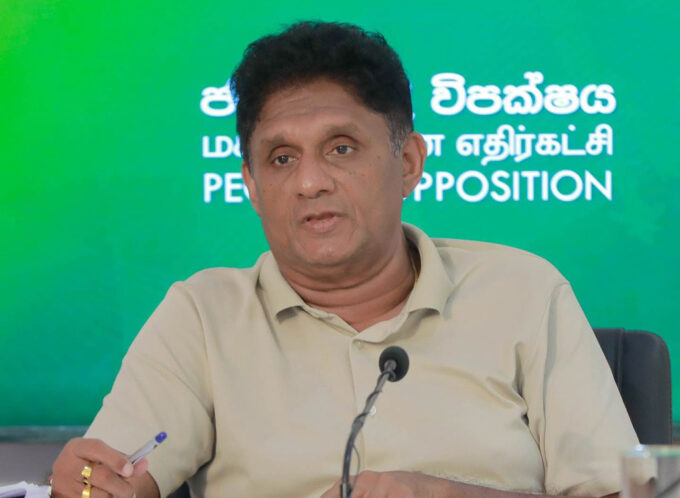
Businessman-turned-politician, opposition MP Dilith Jayaweera also weighed into the controversy, making an emotional appeal about the human cost of prolonged legal scrutiny.
“He couldn’t even find guarantors for bail,” Jayaweera reportedly said, arguing that Chandrasena’s experience revealed how individuals accused in high-profile cases can become socially isolated even before trial proceedings conclude.
Jayaweera said there was a broader “lesson” in Chandrasena’s death about public judgment, media pressure and the emotional burden faced by suspects in politically charged investigations.
His comments resonated with some sections of the public who believe Sri Lanka’s justice system can subject accused persons to years of uncertainty without resolution.
Others, however, warned against allowing sympathy surrounding Chandrasena’s death to overshadow the seriousness of corruption allegations involving public institutions and taxpayer funds.
The broader political battle
The renewed debate comes at a time when corruption investigations themselves have become deeply politicised in Sri Lanka.
Successive governments have accused predecessors of corruption while critics claim many investigations are selectively pursued depending on political convenience.
The Airbus case, because of its international dimensions and links to the national airline, became one of the few investigations that carried both global scrutiny and domestic political implications.
Analysts say Chandrasena’s death may now complicate efforts to fully establish legal accountability, particularly if prosecutors relied heavily on testimony or evidence directly connected to him.
Still, legal experts note that criminal investigations can continue against other accused parties if sufficient documentary and financial evidence exist independently of a deceased suspect.
Questions that remain
Chandrasena’s death has now transformed the Airbus case from solely a corruption investigation into a wider national conversation about justice, due process, public accountability and the pressures faced by individuals caught in politically sensitive legal battles.
For anti-corruption activists, the central concern remains whether Sri Lanka can still pursue accountability in a case long viewed as a test of the country’s willingness to confront elite corruption.
For critics of the investigative process, the episode raises equally difficult questions about how the legal system treats suspects before guilt is established.
As investigations and legal proceedings continue, the Airbus scandal remains one of the most consequential unresolved corruption cases in Sri Lanka’s recent history.









Leave a comment