
By The Pulseline News Desk
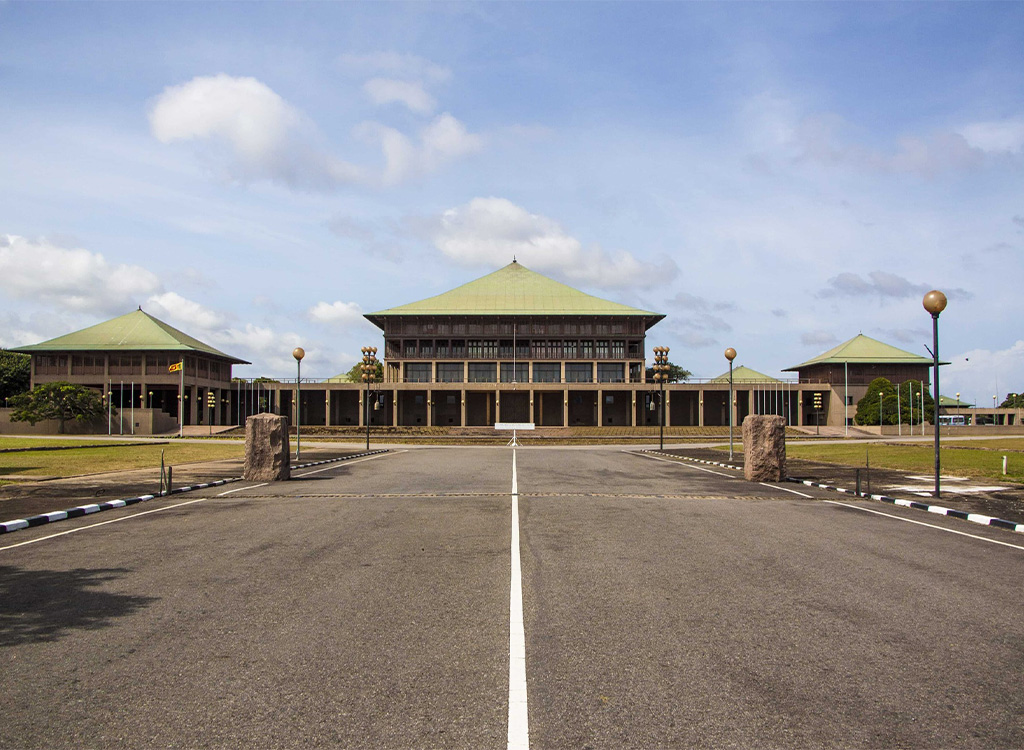
Parliament has granted an extension to a Special Select Committee tasked with examining the country’s preparedness for Cyclone Dithwah, allowing the body additional time to complete its investigation and formulate recommendations aimed at strengthening Sri Lanka’s disaster management framework.
The proposal, approved by Parliament on Thursday (11), extends the committee’s reporting deadline until September 19, giving members three more months to study the circumstances surrounding the country’s response to the cyclone and identify shortcomings in preparedness measures.
The committee was originally appointed to conduct a comprehensive review of the apparent lack of advance preparation for Cyclone Dithwah and to propose reforms that could help mitigate the impact of future natural disasters.
Under its initial mandate, the committee was required to submit its report within three months of its first meeting. The report had been due on June 19, but parliamentarians have agreed that additional time was necessary for the committee to complete its work.
Examining lessons
The committee’s inquiry is expected to focus on several aspects of disaster management, including early warning systems, emergency response mechanisms, coordination among government agencies and public communication strategies.
Natural disasters have repeatedly tested Sri Lanka’s preparedness and response capabilities, highlighting the importance of effective planning and coordination among institutions responsible for public safety.
The review of Cyclone Dithwah is seen as an opportunity to identify weaknesses in existing systems and recommend measures that could improve resilience against future extreme weather events.
Strengthening national preparedness
Disaster management experts have long emphasised that preparedness is often the most critical factor in reducing the human and economic costs of natural disasters. Effective early warning systems, community awareness programmes, evacuation planning and timely coordination between authorities can significantly reduce risks to lives and property.
The Special Select Committee is expected to assess whether existing mechanisms functioned effectively in the lead-up to Cyclone Dithwah and whether improvements are needed in forecasting, communication and emergency planning.
Recommendations awaited
The committee’s final report is expected to include observations, proposals and policy recommendations for Parliament’s consideration. These recommendations could influence future disaster management policies and help shape reforms aimed at improving the country’s readiness for severe weather events.
With climate-related disasters becoming increasingly frequent and unpredictable across the region, the findings of the committee are likely to attract significant public and policy interest.
As the extended deadline approaches, attention will now turn to whether the committee’s work can provide a roadmap for strengthening Sri Lanka’s disaster preparedness systems and ensuring that lessons learned from Cyclone Dithwah translate into more effective responses in the future.










Leave a comment