
By The Pulseline News Desk
Health authorities are preparing to launch an intensive week-long dengue control campaign across the Colombo District as the country faces a sharp rise in infections, with the capital region accounting for more than a quarter of all reported cases this year.
The special dengue control week, is to start from today (15) till Sunday (21), was announced following a meeting of the Colombo District Dengue Control Committee chaired by Prime Minister Dr. Harini Amarasuriya at the Colombo District Secretariat last week.
The initiative comes as health officials warn that a combination of heavy monsoon rains, changing disease patterns and declining community immunity is creating conditions for a significant increase in dengue transmission.
According to the National Dengue Control Unit, approximately 39,100 dengue cases have been reported islandwide so far in 2025. Of these, nearly 25.8 percent have been recorded in the Colombo District, reinforcing concerns that the district remains one of the country’s most vulnerable areas for dengue outbreaks.
Officials told the committee that the number of infections reported during the first half of the year has risen considerably compared with the corresponding period in 2024.
Colombo remains a dengue hotspot
Colombo has long been identified as one of Sri Lanka’s highest-risk districts for dengue transmission due to its dense population, rapid urbanisation and the abundance of mosquito breeding sites associated with urban environments.
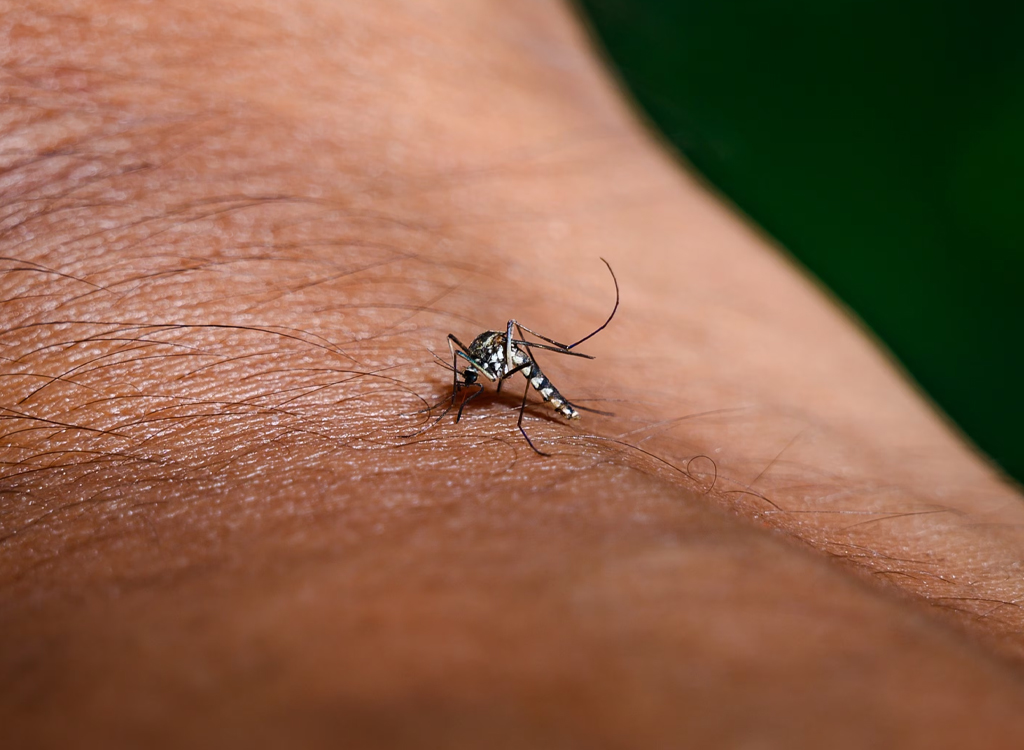
Public health experts note that construction sites, improperly managed waste, blocked drainage systems and stagnant water collected in residential and commercial areas create ideal breeding grounds for the Aedes mosquito, the primary carrier of dengue fever.
The onset of the southwest monsoon has further heightened concerns. Recent heavy rainfall has increased the accumulation of standing water across the district, creating favorable conditions for mosquito populations to multiply rapidly.
Health officials also pointed to another important factor behind the current surge: reduced immunity within sections of the population. As different dengue virus strains circulate over time, communities may become more susceptible to infection when exposed to new variants, potentially leading to larger outbreaks.
A persistent public health challenge
Dengue remains one of Sri Lanka’s most significant public health concerns, with the country experiencing periodic outbreaks that place considerable strain on hospitals and healthcare services.
The disease, transmitted through the bite of infected Aedes mosquitoes, can cause high fever, severe headaches, muscle and joint pain, skin rashes and, in severe cases, life-threatening complications such as dengue haemorrhagic fever and dengue shock syndrome.
Over the past two decades, Sri Lanka has witnessed several major dengue epidemics, prompting authorities to strengthen surveillance, vector control programmes and public awareness campaigns.
Despite these efforts, health experts have repeatedly emphasised that long-term dengue prevention depends heavily on community participation. Eliminating mosquito breeding sites in homes, workplaces and public spaces remains one of the most effective measures to reduce transmission.
Campaign to target breeding sites
The special dengue control week will focus on identifying and eliminating mosquito breeding locations throughout the district, while strengthening inspections, public awareness programmes and community clean-up activities.
Authorities are expected to mobilise public health inspectors, local government officials, health workers and community organisations to conduct inspections in high-risk areas and encourage residents to take preventive measures.
Officials have urged the public to cooperate with the programme by regularly inspecting their premises, removing standing water and seeking immediate medical attention if dengue symptoms develop.
With the monsoon season creating ideal conditions for mosquito breeding and case numbers already rising, health authorities view the coming weeks as critical in preventing a larger outbreak.
The success of the campaign, they say, will depend not only on government intervention but also on the willingness of communities to take collective responsibility for reducing dengue risks in their neighbourhoods.











Leave a comment